




Food Additives
- • Coating Agent (19)
- • Preservative (33)
- • Coloring Agent (41)
- • Gum Base Agent (25)
- • Anticaking Agent (7)
- • Food Antioxidants (41)
- • Enzyme (49)
- • Flour Treatment Agent (4)
- • Leavening Agent (1)
- • Bleach (3)
- • Other Food Additives (88)
- • Emulsifier (24)
- • Food Flavorings (31)
- • Water Retention Agent (1)
- • Acidity Regulators (8)
- • Sweeteners (36)
- • Stabilizer and Coagulants (4)
- • Defoamers (5)
- • Nutrition Supplements (172)
- • Thickener (31)
- • Odorants (29)
- • Colorant (16)
Related News


Flour Treatment Agent
Flour Treatment Agent
Glutens
(8002-80-0)-

Food Grade / 99.00%
-

Food Grade / 82.5%
-

Food Grade / 98%
-

Food Grade / 99.5%



Request for quotation , get quotes from more suppliers.
Glutens, corn
(66071-96-3)-

Food Grade / 99.00%
-

Food Grade / 99%
-

Food Grade / 60%
$700-910/MT FOB
-

Food Grade / 99%
$520-550/MT FOB


Request for quotation , get quotes from more suppliers.
Frequently Asked Questions
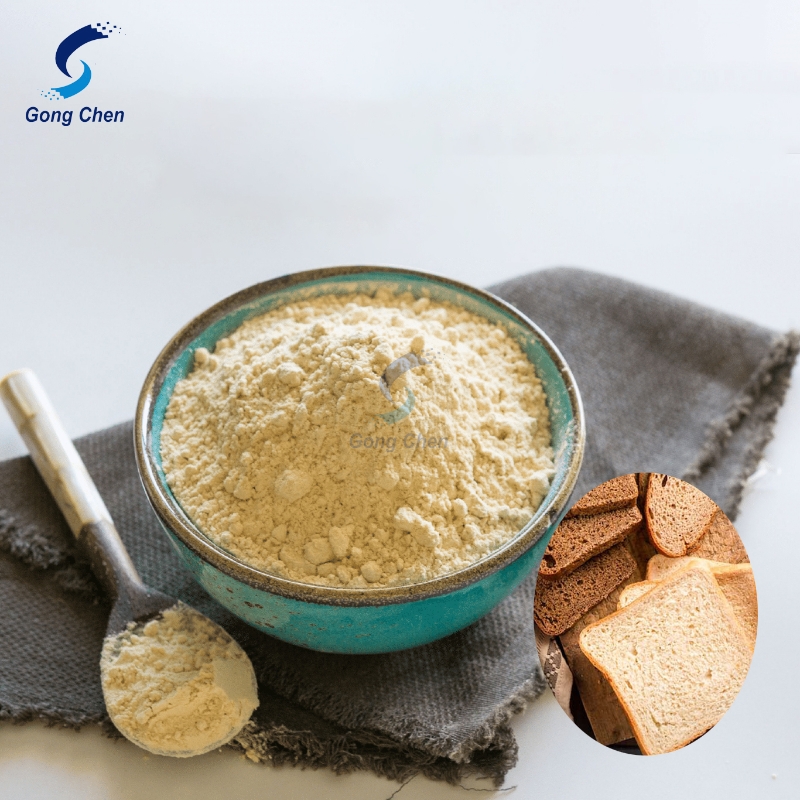
A flour treatment agent is a food additive used to improve the baking quality, texture, and shelf life of flour-based products. These agents can enhance dough elasticity, strengthen gluten structure, whiten flour, and accelerate maturation. Common examples include ascorbic acid (vitamin C), azodicarbonamide, and enzymes like amylase or xylanase. Flour treatment agents are widely used in commercial bakeries and industrial food production to ensure consistent product quality.
Yes, flour treatment agents approved for use by regulatory authorities such as the U.S. FDA, EFSA, or Codex Alimentarius are considered safe when used within established limits. Each additive undergoes rigorous safety evaluations before approval. For example, ascorbic acid is not only safe but also beneficial as a nutrient. However, some agents like bromates have been banned in many countries due to health concerns. Always verify that your supplier complies with local food safety regulations and uses only permitted additives.
Choosing the right flour treatment agent depends on your specific baking needs:1. Identify your goal—improving dough strength, increasing volume, whitening flour, or extending freshness.2. Consider your flour type and protein content, as different agents work better with specific flours.3. Ensure compliance with local food additive regulations.4. Partner with reputable suppliers who provide technical support and documentation like Certificates of Analysis (CoA).Testing small batches with different agents can help determine the best option for your product.
The most commonly used flour treatment agents include:• Ascorbic acid (E300): strengthens gluten and improves dough stability.• Amylases (from fungal or bacterial sources): enhance fermentation and crumb softness.• L-cysteine (E920): reduces mixing time and relaxes dough.• Enzymes like xylanase and glucose oxidase: improve dough handling and loaf volume.• Natural maturing agents like soy flour or malted barley flour.These agents are selected based on desired functionality, regulatory status, and clean-label trends in modern baking.
Yes, but with limitations. Organic certification standards (such as USDA Organic or EU Organic) restrict or prohibit synthetic flour treatment agents. However, natural alternatives like ascorbic acid (if derived from natural fermentation), malted flour, or plant-based enzymes may be permitted. For clean-label products, manufacturers often replace chemical additives with enzyme blends or whole-food ingredients that perform similar functions without artificial-sounding names. Always consult certification guidelines and work with suppliers experienced in organic or clean-label formulations.