




Cosmetic Ingredient
- • Abrasive (124)
- • Absorbent (84)
- • Anticaking (66)
- • Anticorrosive (25)
- • Antifoaming (19)
- • Antimicrobials (291)
- • Antioxidant Ingredient (392)
- • Antiperspirant (20)
- • Antiplaque (48)
- • Anti-seborrheic (38)
- • Anti-sebum (38)
- • Antistatic (457)
- • Astringent (162)
- • Binding Agent (171)
- • Bleaching Agent (53)
- • Buffering (190)
- • Bulking (109)
- • Chelating (122)
- • Cleansing (680)
- • Cosmetic Colorant (212)
- • Cosmetic Preservative (158)
- • Denaturant (45)
- • Deodorant (98)
- • Depilatory (27)
- • Dissolving Agent (297)
- • Emollient (795)
- • Emulsifying Agent (481)
- • Emulsion Stabilising (153)
- • Exfoliating (19)
- • Film Forming (299)
- • Flavouring (72)
- • Foam Boosting (161)
- • Foaming (101)
- • Fragrance Ingredient (732)
- • Gel Forming (19)
- • Hair Conditioning (672)
- • Hair Dyeing (363)
- • Hair Fixing (36)
- • Hair Waving or Straightening (45)
- • Humectant (281)
- • Hydrotrope (92)
- • Keratolytic (20)
- • Light Stabilizer (77)
- • Moisturising Agent (50)
- • Nail Conditioning (42)
- • Occlusive (20)
- • Opacifying (119)
- • Oral Care (123)
- • Oxidising (19)
- • Perfuming (2106)
- • Plasticiser (98)
- • Propellant (19)
- • Reducing (51)
- • Refatting (12)
- • Refreshing (27)
- • Skin Cleansing (387)
- • Skin Conditioning (1747)
- • Skin Humectant (21)
- • Skin Protecting (281)
- • Smoothing (32)
- • Soothing (72)
- • Tonics (155)
- • UV Filter (33)
- • Viscosity Controlling (530)
Chemicals as Skincare Ingredients
Related News
-
Premium Global Chemical Sourcing Requests (16-19July, 2026)
2026-07-20 -
Polyethylene Probes Bottom and Recovers, Sustainability Remains Uncertain
2026-07-25 -
China's SBR Prices Rise Driven by Costs
2026-07-22 -
Cost Advantages Support, Polyester Staple Fiber Prices Remain on an Upward Trend
2026-07-26 -
South Korea’s Largest Petrochemical Hub Moves to Cut Cracker Capacity by 40%
2026-07-24 -
Premium Global Chemical Sourcing Requests (20-22July, 2026)
2026-07-23


Hair Dyeing
Hair Dyeing
p-Phenylenediamine
(106-50-3)-

Industrial Grade / 99%
-

Industrial Grade / 99.9%
-

Industrial Grade / 99%
-

industrial Grade / 98%



-

Industrial Grade / 99%
-

Industrial Grade / 99%
-

- / 99.00%
-

Industrial Grade / 98%


Request for quotation , get quotes from more suppliers.
Phloroglucinol
(108-73-6)-

-

industrial Grade / 98%
-

Industrial Grade / 99%
-

Industrial Grade / 99%



Request for quotation , get quotes from more suppliers.
Pyrogallol
(87-66-1)2. Complexing agent; reducing agent; alkaline solution indicator for gaseous oxygen.
-

Industrial Grade / 99%
-

-

- / 0.00%
-

- / 99.00%



Request for quotation , get quotes from more suppliers.
-

Industrial Grade / 99.9%
-

-

Industrial Grade / 99%
-

Pharmaceutical Grade / 99%


Request for quotation , get quotes from more suppliers.
Source Hair Dyeing Products Supply
Ponceau 4R
(2611-82-7)-

Cosmetics Grade / 99%
$13000-15000/MT FOB
-

- / 99.00%
-

-

Food Grade / 42%


Request for quotation , get quotes from more suppliers.
Pigment Yellow 13
(5102-83-0)-
")
Industrial Grade / 99%
-

Industrial Grade / 99%
-

- / 99.00%
-

Industrial Grade / 99%


Request for quotation , get quotes from more suppliers.
-

Industrial Grade / 99%
-
![buy (4E)-N-(2-methylphenyl)-3-oxo-4-[(2,4,5-trichlorophenyl)hydrazinylidene]naphthalene-2-carboxamide]( "(4E)-N-(2-methylphenyl)-3-oxo-4-[(2,4,5-trichlorophenyl)hydrazinylidene]naphthalene-2-carboxamide")
-

-


Request for quotation , get quotes from more suppliers.
-

Pharmaceutical grad / 99%
$100/KG EXW
-
![buy disodium,(4E)-4-[(4-methyl-2-sulfonatophenyl)hydrazinylidene]-3-oxonaphthalene-2-carboxylate]( "disodium,(4E)-4-[(4-methyl-2-sulfonatophenyl)hydrazinylidene]-3-oxonaphthalene-2-carboxylate")
-

-
![buy disodium 3-hydroxy-4-[(4-methyl-2-sulphonatophenyl)azo]-2-naphthoate]( "disodium 3-hydroxy-4-[(4-methyl-2-sulphonatophenyl)azo]-2-naphthoate")

![buy disodium,(4E)-4-[(4-methyl-2-sulfonatophenyl)hydrazinylidene]-3-oxonaphthalene-2-carboxylate](https://file.echemi.com/fileManage/upload/cas/87/6f0ca341-3297-4190-81e1-3ed8a2513642.gif "disodium,(4E)-4-[(4-methyl-2-sulfonatophenyl)hydrazinylidene]-3-oxonaphthalene-2-carboxylate")
Request for quotation , get quotes from more suppliers.
p-Phenylenediamine, dihydrochloride
(624-18-0)-

Industrial Grade / 99%
-

Industrial Grade / 99%
-

-


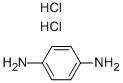

Request for quotation , get quotes from more suppliers.
Source Hair Dyeing Raw Materials by Region


More Information
Hair dyeing is a cosmetic method to change hair color, typically achieved by applying hair dye to transition from one color to another. The principle of hair dyeing involves chemical substances penetrating the hair's cuticle layer and reacting with its natural pigments to alter its color.
Hair dyeing relies on chemical reactions. Different types of hair dyes operate on distinct principles. For permanent hair dye, for instance, the dye and oxidizing agent (usually hydrogen peroxide) are initially mixed. This activates the dye precursors in the dye, allowing them to penetrate the hair fiber. These dye precursors infiltrate the hair's cuticle layer and reach the cortex. Within the cortex, they undergo an oxidation reaction with the oxidizing agent, forming large pigment molecules. These molecules combine with the hair's natural melanin, creating new pigment complexes that alter the hair color.
Types of hair dyes include:
Permanent hair dye
Semi-permanent hair dye
Temporary hair dye
Natural hair dye
Frequently Asked Questions
Hair dyeing is the process of changing the natural color of hair using chemical or natural formulations. Most permanent hair dyes contain ingredients like ammonia, hydrogen peroxide, and color precursors that penetrate the hair shaft to alter melanin pigment. Semi-permanent and temporary dyes coat the hair surface without deep penetration. Understanding how hair dye works helps users choose the right type based on desired longevity, coverage, and hair health considerations.
There are four main types of hair dye:1. Permanent hair dye: Offers long-lasting color change and full gray coverage by chemically altering hair structure.2. Demi-permanent dye: Lasts 4–6 weeks, deposits color without lifting natural pigment, and causes less damage.3. Semi-permanent dye: Washes out after 4–12 shampoos and contains no ammonia.4. Temporary dye: Includes sprays, rinses, or chalks that last until the next wash. Choosing the right type depends on your goals for coverage, duration, and hair condition.
Hair dyeing can be safe for most hair types when used correctly, but sensitivity varies. Coarse or curly hair may absorb dye differently than fine or straight hair, affecting results and potential damage. Those with previously colored, bleached, or damaged hair should opt for gentler formulas like ammonia-free or demi-permanent dyes. Always perform a patch test 48 hours before application to check for allergic reactions, and follow manufacturer instructions to minimize scalp irritation or breakage.
To reduce hair damage during dyeing:1. Use high-quality, sulfate-free dyes with conditioning agents.2. Avoid overlapping dye on previously colored sections.3. Limit frequency of re-dyeing—touch up roots only when needed.4. Deep condition regularly and use heat protectants.5. Consider professional application for complex processes like bleaching or highlighting. Proper aftercare, including color-safe shampoos and UV protection, also preserves hair integrity and color vibrancy.
When selecting a hair dye, consider:1. Ingredients: Look for formulas free from harsh chemicals like PPD (if sensitive), ammonia, or parabens if you prefer gentler options.2. Shade match: Choose a tone that complements your skin undertone and natural base.3. Longevity needs: Decide between permanent, demi-permanent, or temporary based on commitment level.4. Brand reputation: Opt for reputable brands with safety certifications and positive user reviews.5. Gray coverage: If covering grays, ensure the product specifies effective coverage. Reading labels and checking ingredient transparency enhances both safety and satisfaction.