




Agrochemicals
- • Biopesticides (18)
- • Herbicides (281)
- • Insecticides (354)
- • Fungicides (163)
- • Pesticide Intermediates (412)
- • Plant Growth Regulators (56)
- • Fertilizers (24)
Related News
-
Sumitomo Chemical's new PPO herbicide Epyrifenacil made its debut in Argentina
2024-07-30 -
Sumitomo launches the world's first Epyrifenacil herbicide in Argentina, which works synergistically with Glyphosate
2024-07-18 -
Basf resolves dispute over Saflufenacil products in New Zealand
2024-07-15 -
Nufarm has partnered with the UK's Moa to secure exclusive rights to a new mode of action herbicide
2024-07-10 -
FMC's new herbicide active ingredient Bixlozone is released in the UK
2024-07-08 -
FMC: Anthem Flex herbicide containing Pyroxasulfone receives new label approval in the United States
2024-06-03

Herbicides
-

- / 99.00%
-

Industrial Grade / 99.0%
-

-

Industrial Grade / 99%


Diquatdibromidemonohydrate
(6385-62-2)-

-

Industrial Grade / 99%
-

-


Request for quotation , get quotes from more suppliers.
-

-

-

-

Industrial Grade / 99%


Request for quotation , get quotes from more suppliers.
-

Pharmaceutical Grade / 99%
-

-
")
$1-1.2/KG FOB
-




Request for quotation , get quotes from more suppliers.
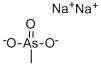
Disodium methylarsonate
(144-21-8)-

Industrial Grade / 99.0%
-

-

-
")

Request for quotation , get quotes from more suppliers.
Dipyrido[1,2-a:2′,1′-c]pyrazinediium
(231-36-7)-

Industrial Grade / 99%
-

-
![buy Dipyrido[1,2-a:2',1'-c]pyrazinediium]( "Dipyrido[1,2-a:2',1'-c]pyrazinediium")
-
![buy Dipyrido[1,2-a:2',1'-c]pyrazinediium]( "Dipyrido[1,2-a:2',1'-c]pyrazinediium")

![buy Dipyrido[1,2-a:2',1'-c]pyrazinediium](https://file.echemi.com/fileManage/upload/canonicalSmiles/20220811/225ad243b5a648668acd815a32469b1e.png "Dipyrido[1,2-a:2',1'-c]pyrazinediium")
Request for quotation , get quotes from more suppliers.
-

Industrial Grade / 99.0%
-

-

-


Request for quotation , get quotes from more suppliers.
-

Industrial Grade / 99.0%
-

-

-


Request for quotation , get quotes from more suppliers.
Daimuron
(42609-52-9)-

Industrial Grade / 99%
-

-

-

Industrial Grade / 99%


Request for quotation , get quotes from more suppliers.
Dimepiperate
(61432-55-1)-

Industrial Grade / 99%
-

-

-


Request for quotation , get quotes from more suppliers.
More Information
Herbicides are chemical substances that are utilized to eliminate or restrict the growth of undesired vegetation or weeds and are widely used in today’s farming and land management. These compounds affect the normal biological processes which are vital for the growth and existence of plants. It is essential to control weeds as they are plants that grow side by side with crops and can affect yield and quality by taking nutrients, water and light from the crops.
Herbicides are of many types depending on the way they work and have different modes of action. While some of them target plant enzymes, others interfere with photosynthesis or cell division. Herbicides are of two kinds; selective where they only act on certain plants and non-selective where the herbicides affect all plants they come into contact with. It can also be classified according to the stage of the weed’s life cycle when the herbicide is applied; that is either before the weed emerges from the ground or after it.
Some of the applications of herbicides include:
● Crop protection: Helpful for increasing agricultural yields
● Lawn care: Weed control in turf grass
● Forestry: Controlling the undergrowth of timber plantations
● Industrial sites: To ensure safe and easy movement within the site
● Aquatic weed control: Ensuring the control of aquatic invasive species
Frequently Asked Questions
Herbicides are chemical substances used to control or eliminate unwanted plants, commonly known as weeds. They work by interfering with essential plant processes such as photosynthesis, cell division, or hormone regulation. Depending on their mode of action, herbicides can be selective (targeting specific weed species) or non-selective (affecting most vegetation). Proper use of herbicides helps improve crop yields and reduce manual weeding labor.
The main types of herbicides include pre-emergent and post-emergent herbicides, based on application timing, and selective versus non-selective herbicides, based on target specificity. Common chemical classes include glyphosate, 2,4-D, atrazine, and paraquat. Each type has distinct modes of action and is suited for different crops and weed management strategies. Choosing the right herbicide depends on the crop system, weed species present, and environmental considerations.
Selecting the appropriate herbicide involves several key factors:1. Identify the weed species you need to control.2. Consider your crop type to ensure herbicide compatibility and avoid phytotoxicity.3. Evaluate soil and climate conditions that may affect herbicide performance.4. Check local regulations and resistance management guidelines.5. Review product labels for application rates, safety precautions, and environmental impact. Consulting an agronomist or certified crop advisor can also help optimize herbicide selection and usage.
Yes, several eco-friendly alternatives exist for weed control, including natural herbicides derived from vinegar, citric acid, clove oil, or corn gluten meal. Mechanical methods like mulching, cover cropping, and precision tillage also reduce reliance on chemical herbicides. While these options are often less persistent and may require repeated applications, they align with organic farming standards and support sustainable agriculture practices when integrated into a comprehensive weed management plan.
When handling herbicides, always follow label instructions and observe these safety measures:1. Wear appropriate personal protective equipment (PPE), such as gloves, goggles, and respirators.2. Avoid application during windy or rainy conditions to prevent drift or runoff.3. Store herbicides in original containers, away from food, feed, and water sources.4. Calibrate spray equipment accurately to ensure correct dosage.5. Dispose of empty containers and unused product according to local hazardous waste regulations. Proper training and adherence to safety protocols minimize health risks and environmental contamination.