




Inorganic Chemistry
- • Elementary Substance (191)
- • Industrial Gases (21)
- • Inorganic Bases (55)
- • Inorganic Acid (55)
- • Inorganic Salts (1922)
- • Oxides and Peroxides (185)
- • Silica gel (5)
- • Non-metallic Minerals (14)
- • Coating Materials (24)
- • Phosphorus Compounds (50)
- • Iron Compounds (22)
- • Bromine Compounds (20)
Related News


Industrial Gases
Nitrogen dioxide
(10102-44-0)-

Industrial Grade / 99.999%
-

-

Industrial Grade / 99%
-

Different Grade / 99.9%


Request for quotation , get quotes from more suppliers.
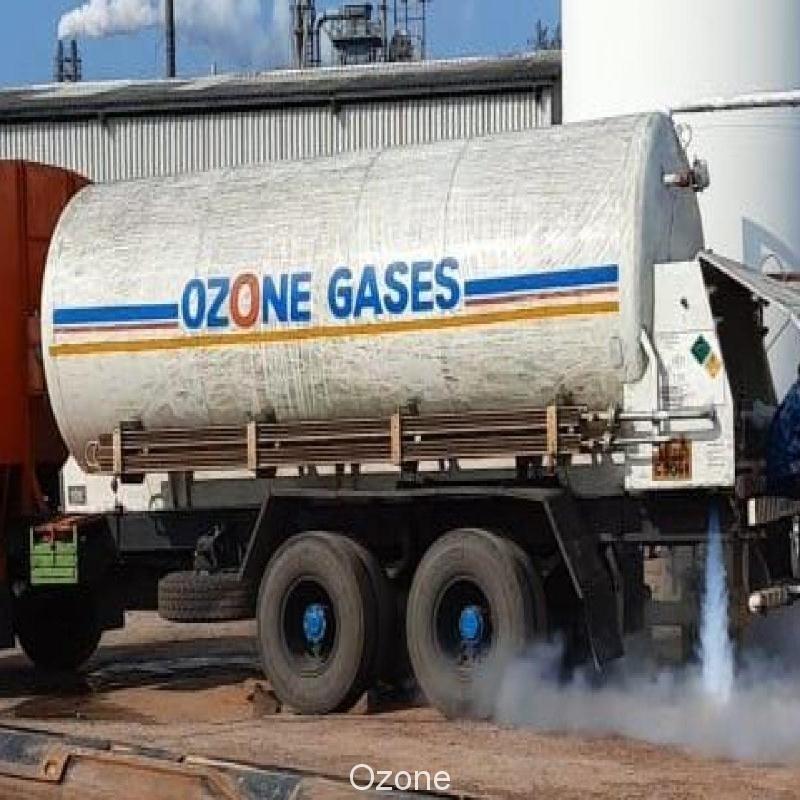
Ozone
(10028-15-6)-

Chemical Grade / 99%
$1/KG FOB
-

Food Grade / 99%
-

Industrial Grade / 99.99%
-

Pharmaceutical Grade / -



Request for quotation , get quotes from more suppliers.
-

- / 99%
-

Industrial Grade / 99%
-

-


Request for quotation , get quotes from more suppliers.


Request for quotation , get quotes from more suppliers.
Chlorine fluoride (ClF)
(7790-89-8)-

Industrial Grade / 99.9%
$850-910/KG FOB
-

Industrial Grade / 99%
-

-


Request for quotation , get quotes from more suppliers.
Nitrogen oxide (N2O4)
(10544-72-6)-

Industrial Grade / 99%
-

-

Industrial Grade / 99%
-
")
- / 99%



Request for quotation , get quotes from more suppliers.
-

-

-
-")
-
-")
Industrial Grade / 99%


Request for quotation , get quotes from more suppliers.
-

- / 99%
-
")
Industrial Grade / 99.0%
-
")
-
")


Request for quotation , get quotes from more suppliers.
CARBONMONOXIDE(18O)
(4906-87-0)-

- / 99%
-
")
-
")
-
")
Industrial Grade / 99%


Request for quotation , get quotes from more suppliers.
2,4,6-Triethynyl-1,3,5-triazine
(501680-86-0)

Request for quotation , get quotes from more suppliers.
Source Industrial Gases Raw Materials by Region

Frequently Asked Questions
Industrial gases are gaseous materials manufactured for use in a wide range of industrial applications. Common types include oxygen, nitrogen, argon, hydrogen, carbon dioxide, and acetylene. These gases are essential in sectors such as manufacturing, healthcare, food and beverage, electronics, welding, and chemical processing. For example, oxygen supports combustion in metal cutting, while nitrogen is used for inerting and preservation in food packaging.
Selecting a reliable industrial gas supplier involves evaluating several key factors:1. Certification and compliance with safety and quality standards (e.g., ISO, OSHA, or CGA guidelines).2. Purity levels and consistency of gas supply tailored to your application.3. Delivery options—cylinders, bulk tanks, or on-site generation systems.4. Technical support and emergency response capabilities.5. Reputation and experience in your specific industry. Choosing a supplier with proven expertise ensures operational efficiency and safety.
Handling industrial gases requires strict adherence to safety protocols to prevent accidents:1. Always store cylinders upright and secured in well-ventilated areas.2. Use appropriate personal protective equipment (PPE) such as gloves and face shields.3. Never mix incompatible gases; check compatibility charts before use.4. Install gas detectors for toxic or flammable gases like hydrogen or ammonia.5. Ensure staff are trained in emergency procedures and cylinder handling. Following these measures minimizes risks of fire, explosion, or asphyxiation.
Medical grade gases meet stringent purity and contamination standards set by pharmacopeias (e.g., USP or EP) and are used in healthcare settings for patient respiration or surgical procedures. Industrial grade gases, while high-purity, are not certified for human use and may contain trace impurities acceptable for manufacturing or processing but unsafe for medical applications. Always verify the gas grade specification before procurement to ensure regulatory compliance and application suitability.
Yes, many industrial gas suppliers offer customized gas mixtures and delivery solutions tailored to specific industrial needs. For instance, laser cutting may require precise blends of nitrogen and oxygen, while semiconductor manufacturing uses ultra-high-purity specialty gas mixtures. Suppliers can adjust concentration ratios, pressure levels, and packaging formats (e.g., microbulk or cylinder bundles) to match process requirements. Discussing your technical specifications with the supplier ensures optimal performance and cost-efficiency.