




Inorganic Chemistry
- • Elementary Substance (190)
- • Industrial Gases (21)
- • Inorganic Bases (56)
- • Inorganic Acid (57)
- • Inorganic Salts (1930)
- • Oxides and Peroxides (187)
- • Silica gel (5)
- • Non-metallic Minerals (14)
- • Coating Materials (24)
- • Phosphorus Compounds (50)
- • Iron Compounds (22)
- • Bromine Compounds (20)
Related News


Inorganic Acid Featured Products
Inorganic Acid
Hydrofluoric acid
(7664-39-3)-

Industrial Grade / 99%
-

-

- / 55%
-

Industrial Grade / 99.9%
$21-25/MT FOB


Hydrochloric acid
(7647-01-0)-

Industrial Grade / -

Hydrogen bromide
(10035-10-6)-

Chemical Grade / 98%
$1/KG FOB
-

- / 48%
-

Pharmaceutical Grade / 98.5%
-

Industrial Grade / 99.9%


Request for quotation , get quotes from more suppliers.
Hydrogen iodide
(10034-85-2)-

Chemical Grade / 99%
$1/KG FOB
-

-

- / 99%
-

Industrial Grade ,Pharma Grade / 99%


Request for quotation , get quotes from more suppliers.
Hydrogen Sulfide
(7783-06-4)-

Chemical Grade / 99%
$1/KG FOB
-

Industrial Grade / 100%
-

Industrial Grade / 99.9%
-

Pharmaceutical Grade / -


Request for quotation , get quotes from more suppliers.
Source Inorganic Acid Products Supply
HYDROGEN CHLORIDE 1.25M IN ETHANOL
(123864-74-4)-

Industrial Grade / 30%
$6-7/KG FOB
-

Industrial Grade / 99.0%
-

-

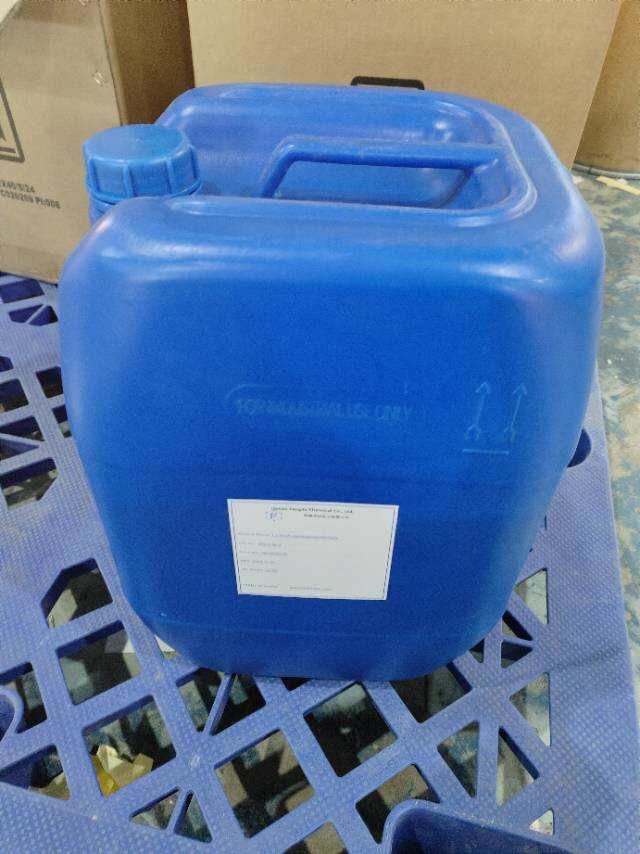

Request for quotation , get quotes from more suppliers.
Source Inorganic Acid Raw Materials by Region

Frequently Asked Questions
An inorganic acid is a mineral-based acid that typically does not contain carbon-hydrogen (C-H) bonds. Common examples include hydrochloric acid (HCl), sulfuric acid (H₂SO₄), and nitric acid (HNO₃). These acids are widely used in industrial processes, laboratory applications, and chemical manufacturing due to their strong reactivity and ability to donate protons (H⁺ ions).
Inorganic acids play critical roles across various industries:1. Sulfuric acid is used in fertilizer production, battery manufacturing, and metal processing.2. Hydrochloric acid is essential for steel pickling, pH adjustment, and food processing.3. Nitric acid is key in producing explosives, fertilizers, and synthetic fibers.Their versatility makes them indispensable in chemical synthesis, cleaning, and catalysis.
Safe handling and storage of inorganic acids require strict adherence to safety protocols:1. Always use appropriate personal protective equipment (PPE), including gloves, goggles, and acid-resistant aprons.2. Store in corrosion-resistant, properly labeled containers in a well-ventilated, cool area away from bases and flammable materials.3. Follow local regulations for spill containment and emergency response.Proper training and Material Safety Data Sheets (MSDS/SDS) are essential for minimizing risks.
When sourcing high-purity inorganic acids, consider the following:1. Purity grade (e.g., reagent grade, electronic grade, or technical grade) based on your application needs.2. Supplier certifications such as ISO 9001, REACH, or GMP compliance.3. Consistency in batch-to-batch quality and traceability documentation.4. Packaging integrity to prevent contamination or degradation.Choosing a reputable supplier ensures reliability for sensitive applications like pharmaceuticals or electronics.
Yes, inorganic acids differ from organic acids primarily in chemical structure and origin. Inorganic acids (e.g., HCl, H₂SO₄) are mineral-derived and generally lack carbon atoms or contain carbon without C-H bonds. Organic acids (e.g., acetic acid, citric acid) contain carbon-hydrogen frameworks and are often derived from living organisms or biosynthesis. Inorganic acids tend to be stronger and more corrosive, while organic acids are typically weaker and used in food, cosmetics, and biodegradable applications.