Product
Supplier
Encyclopedia
Inquiry
Home > Inorganic Chemistry > Inorganic Acid (Find 59 items)

Inorganic Acid

Periodic acid (H5IO6)

(10450-60-9)
Periodic acid, with its chemical formula H5IO6, is a highly potent oxidizing agent and acidic compound, playing a pivotal role in various chemical processes, particularly in the realm of organic synthesis. As an oxidizing agent, it demonstrates a remarkable ability to selectively oxidize specific organic compounds, a characteristic that makes it indispensable in the field of chemistry. One of its primary applications lies in its use as an oxidation reagent in organic reactions. It can selectively target and oxidize alcohols, aldehydes, and ketones, converting them into corresponding acids, esters, or other derivatives. This selectivity is crucial in organic synthesis, where it allows for precise control over the reaction pathways and the formation of desired products. For instance, the oxidation of an alcohol to an aldehyde can be achieved using periodic acid, enabling the synthesis of complex organic molecules with high precision. Beyond its role in organic synthesis, periodic acid also finds utility in the recycling of screen meshes used in screen printing. In the screen printing process, the meshes can become clogged with accumulated ink and various chemicals. By treating these meshes with periodic acid, a thorough and effective cleaning can be achieved, facilitating the regeneration and reuse of the meshes. This not only enhances the efficiency of the printing process but also extends the lifespan of the meshes, reducing waste and costs. Furthermore, periodic acid serves as an essential tool in analytical chemistry, particularly in oxidative titrations. Its strong oxidizing properties make it suitable for determining the concentration of certain components in samples. By reacting with the analyte in a controlled manner, it allows for the accurate quantification of these components, proving invaluable in quality control and research applications. The versatility of periodic acid is rooted in its unique combination of strong oxidizing and acidic characteristics. Its applications extend beyond the mentioned areas, including roles in metal surface treatments, environmental remediation, and even in the development of advanced materials. The ability of periodic acid to manipulate chemical reactions with precision and efficiency underscores its significant value and wide-ranging utility across multiple scientific disciplines.

Product List

Price

Request for quotation , get quotes from more suppliers.

Tungsten hydroxide oxide phosphate

(12067-99-1)
As reagent for alkaloids and many other nitrogen bases, for phenols, albumin, peptone, amino acids, uric acid, urea, blood, carbohydrates; as biological stain. Used as biochemical reagent and chromatographic analysis reagent

Product List

Request for quotation , get quotes from more suppliers.

Sulfurous acid

(7782-99-2)
Dental bleach. Reducing agent, organic synthesis. Used as analytical reagent, preservative, bleaching agent and reducing agent

Product List

Price

Request for quotation , get quotes from more suppliers.

PHOSPHOMOLYBDIC ACID HYDRATE

(51429-74-4)
Used as an analytical reagent; the structure not only has characteristics of complexes and metal oxides, but also has acidity and redox properties, as well as a secondary structure composed of crystal water. It has special functions for organic synthesis catalysts, metal corrosion inhibitors and solid electrolytes; it is also used as a catalyst for the ammoxidation of propylene to prepare acrylonitrile, as a basic raw material for the preparation of organic pigments, reagents for analysis, and f

Product List

Request for quotation , get quotes from more suppliers.

Hydrogen Sulfide

(7783-06-4)
Used in the manufacture of synthetic phosphors, electroluminescence, photoconductors, photoelectric exposure meters, etc. Organic synthetic reducing agent. Used for metal refining, pesticides, medicine, catalyst regeneration. General reagents. Preparation of various sulfides. Used to separate and identify metal ions, refine hydrochloric acid and sulfuric acid, and produce elemental sulfur; can be used to transform sulfur and sulfuric acid, produce sodium sulfide and sodium hydrosulfide, or produ

Product List

Request for quotation , get quotes from more suppliers.

Tungstic acid (H2WO4)

(7783-03-1)
Mainly used to make metal tungsten, tungsten wire, cemented carbide, tungstate, and also used as printing and dyeing auxiliary; textile industry mordant, also used in the preparation of tungsten, tungsten wire; mainly used to make metal tungsten, Tungsten wire, tungstate, cemented carbide, etc. Also used as petrochemical catalyst, printing and dyeing auxiliary and lubricant.

Product List

Request for quotation , get quotes from more suppliers.

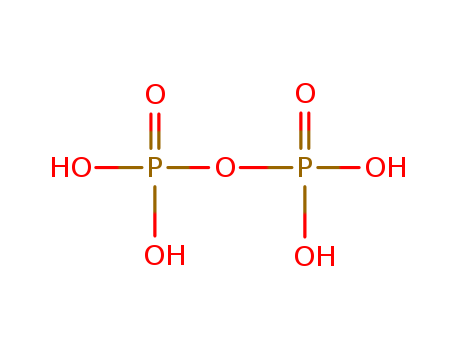
Pyrophosphoric acid

(2466-09-3)
Used as a catalyst, metal refining, organic peroxide stabilizer. Used to adjust the Ph value of the electroplating solution in the copper electroplating process, and also used in other electroplating. Used as a catalyst and hiding agent, etc. Water retention agent, quality improver, pH adjuster, metal chelating agent.

Product List

Request for quotation , get quotes from more suppliers.

Metaphosphoric acid

(37267-86-0)
In dentistry for making zinc oxyphosphate cement; as reagent in chemical analysis.

Product List

Request for quotation , get quotes from more suppliers.

Fuming sulfuric acid

(8014-95-7)
In manufacture of fertilizers, explosives, dyestuffs, other acids, parchment paper, glue, purification of petroleum, pickling of metal.

Product List

Request for quotation , get quotes from more suppliers.

Inorganic acid, also known as mineral acid, is a general term for acids in inorganic compounds. Inorganic acids are generally inorganic compounds that can dissociate hydrogen ions. A compound consisting of hydrogen and a non-metallic element or group. According to the composition, inorganic acids can be divided into oxyacids, anaerobic acids, complex acids, mixed acids, superacids, etc. According to the degree of dissociation, they can be divided into strong acids and weak acids, and according to the ionizable hydrogen ion The number is divided into monobasic acid, dibasic acid and polybasic acid.

Source Inorganic Acid Raw Materials by Region

Frequently Asked Questions

What is an inorganic acid?

An inorganic acid is a mineral-based acid that typically does not contain carbon-hydrogen (C-H) bonds. Common examples include hydrochloric acid (HCl), sulfuric acid (H₂SO₄), and nitric acid (HNO₃). These acids are widely used in industrial processes, laboratory applications, and chemical manufacturing due to their strong reactivity and ability to donate protons (H⁺ ions).

What are the common industrial uses of inorganic acids?

Inorganic acids play critical roles across various industries:1. Sulfuric acid is used in fertilizer production, battery manufacturing, and metal processing.2. Hydrochloric acid is essential for steel pickling, pH adjustment, and food processing.3. Nitric acid is key in producing explosives, fertilizers, and synthetic fibers.Their versatility makes them indispensable in chemical synthesis, cleaning, and catalysis.

How should inorganic acids be handled and stored safely?

Safe handling and storage of inorganic acids require strict adherence to safety protocols:1. Always use appropriate personal protective equipment (PPE), including gloves, goggles, and acid-resistant aprons.2. Store in corrosion-resistant, properly labeled containers in a well-ventilated, cool area away from bases and flammable materials.3. Follow local regulations for spill containment and emergency response.Proper training and Material Safety Data Sheets (MSDS/SDS) are essential for minimizing risks.

What factors should I consider when sourcing high-purity inorganic acids?

When sourcing high-purity inorganic acids, consider the following:1. Purity grade (e.g., reagent grade, electronic grade, or technical grade) based on your application needs.2. Supplier certifications such as ISO 9001, REACH, or GMP compliance.3. Consistency in batch-to-batch quality and traceability documentation.4. Packaging integrity to prevent contamination or degradation.Choosing a reputable supplier ensures reliability for sensitive applications like pharmaceuticals or electronics.

Are inorganic acids different from organic acids?

Yes, inorganic acids differ from organic acids primarily in chemical structure and origin. Inorganic acids (e.g., HCl, H₂SO₄) are mineral-derived and generally lack carbon atoms or contain carbon without C-H bonds. Organic acids (e.g., acetic acid, citric acid) contain carbon-hydrogen frameworks and are often derived from living organisms or biosynthesis. Inorganic acids tend to be stronger and more corrosive, while organic acids are typically weaker and used in food, cosmetics, and biodegradable applications.

Feedback & Suggestions
Send Message

Thank you for your feedback. If you require further assistance, please contact us by email at info@echemi.com or call us at +86-532-55729510.