




Inorganic Chemistry
- • Elementary Substance (188)
- • Industrial Gases (21)
- • Inorganic Bases (55)
- • Inorganic Acid (55)
- • Inorganic Salts (1918)
- • Oxides and Peroxides (185)
- • Silica gel (5)
- • Non-metallic Minerals (14)
- • Coating Materials (24)
- • Phosphorus Compounds (50)
- • Iron Compounds (22)
- • Bromine Compounds (20)
Related News


Inorganic Bases Featured Products
Inorganic Bases
Cobalt dihydroxide
(21041-93-0)-
hydroxide")
Industrial Grade / 99%
-
 hydroxide CAS 21041-93-0 with Best Price")
Pharmaceutical Grade / 99%
-
 hydroxide, CAS:21041-93-0")
Reagent Grade / 99%
$20-22/KG FOB
-

- / 99.00%


Request for quotation , get quotes from more suppliers.
Copper hydroxide
(20427-59-2)-

Industrial Grade / 99%
-

- / 99.00%
-

Industrial Grade / 53%
-

Industrial Grade / 99%



Request for quotation , get quotes from more suppliers.
Cesium hydroxide
(35103-79-8)-

- / 99.00%
-

Industrial Grade / 99%
$45-55/MT FOB
-
")
$1-1.2/KG FOB
-

Industrial Grade / 99%



Request for quotation , get quotes from more suppliers.
Cesium hydroxide
(21351-79-1)-

Industrial Grade, Feed Grade, Food Grade, Pharma Grade / 99%
-

Industrial Grade / 99%
-

Different Grade / 99.9%
$0.1/KG EXW
-


Request for quotation , get quotes from more suppliers.
Cesium hydroxide
(12182-83-1)-

Industrial Grade / 99%
-

-

-

Request for quotation , get quotes from more suppliers.
Source Inorganic Bases Products Supply
Cerium hydroxide (Ce(OH)4), (T-4)-
(12014-56-1)-

Chemical Grade / 99%
$1/KG FOB
-

Industrial Grade / 99.99%
-

Food Grade / 98%
-

Industrial Grade / 99%


Request for quotation , get quotes from more suppliers.
Cerium trichloride heptahydrate
(18618-55-8)-
 Chloride Heptahydrate 99% powder 18618-55-8 -Shaanxi Dideu Medichem Co.Ltd")
Chemical Grade / 99%
$1/KG FOB
-
 CHLORIDE HEPTAHYDRATE")
- / 99.00%
-
 CHLORIDE HEPTAHYDRATE CAS 18618-55-8")
Industrial Grade / 99%
-

Industrial Grade / 99.99%


Request for quotation , get quotes from more suppliers.
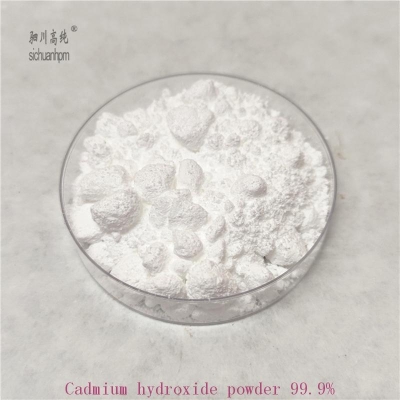
Cadmium hydroxide
(21041-95-2)-
2 Cd(OH) 99.9% chemical compound material 99.9% schpm")
Industrial Grade / 99.9%
-
2 Chemical Compound Cas 21041-95-2 99.9% white powder scjc")
Industrial Grade / 99.9%
-

Industrial Grade, Feed Grade, Food Grade, Pharma Grade / 99%
-


Request for quotation , get quotes from more suppliers.
-

Industrial Grade / 99%
-

Chemical Grade / 99%
-

Industrial Grade / 99.0%
-


-

- / 99.00%
-

Industrial Grade / 99%
-

-



Request for quotation , get quotes from more suppliers.
Source Inorganic Bases Raw Materials by Region

More Information
Inorganic bases are ionic compounds when dissociated in water they form hydroxide ions (OH-). These substances provide significant functions in chemistry and have wide applications on industrial and commercial levels. Some of the examples include Sodium hydroxide (NaOH), Potassium hydroxide (KOH), and Calcium hydroxide (Ca(OH)2).
There are several prominent characteristics of inorganic bases such as these substances have a bitter taste and slippery feel when handled, these substances turn litmus paper blue by having a pH value above 7 and in a neutralization reaction they form salt and water. In addition, these inorganic bases also ionize in water solutions and are good conductors of electricity. These properties make the usefulness of inorganic bases in many chemical processes.
Some of its applications are as follows:
• Removal of acid spills or wastes
• pH adjustment
• Manufacturing of cosmetics, soaps and emulsifiers
• Food production, for example, baking soda
• Medicine such as antacids
Frequently Asked Questions
Inorganic bases are chemical compounds that release hydroxide ions (OH⁻) in aqueous solutions and typically have a pH greater than 7. Common examples include sodium hydroxide (NaOH), potassium hydroxide (KOH), and calcium hydroxide (Ca(OH)₂). They are widely used in industries such as chemical manufacturing, water treatment, pharmaceuticals, and food processing for neutralization reactions, pH adjustment, and as catalysts or reagents in synthesis processes.
Selecting the appropriate inorganic base depends on several factors:1. The required pH level and reactivity for your specific reaction.2. Compatibility with other chemicals in the system to avoid unwanted side reactions.3. Purity and grade specifications—technical, reagent, or food/pharma grade—based on end-use requirements.4. Handling and safety considerations, as strong bases like NaOH are highly corrosive.Consulting material safety data sheets (MSDS) and working with certified suppliers ensures safe and effective selection.
Inorganic bases, especially strong ones like sodium hydroxide and potassium hydroxide, are corrosive and can cause severe skin burns or eye damage. Essential safety measures include:• Wearing personal protective equipment (PPE) such as gloves, goggles, and lab coats.• Working in well-ventilated areas or fume hoods.• Storing bases in clearly labeled, corrosion-resistant containers away from acids.• Having emergency eyewash stations and spill kits readily available.Always follow OSHA and GHS guidelines for safe handling and disposal.
The primary difference lies in their chemical composition: inorganic bases are typically metal hydroxides (e.g., NaOH, KOH) without carbon-hydrogen bonds, while organic bases contain carbon and often feature amine groups (e.g., triethylamine, pyridine). Inorganic bases are generally stronger, more soluble in water, and used in large-scale industrial processes, whereas organic bases are common in fine chemical synthesis and pharmaceutical manufacturing due to their selectivity and milder reactivity.
High-purity inorganic bases can be sourced from reputable chemical suppliers that comply with international quality standards such as ISO, REACH, and GMP. Look for vendors offering certificates of analysis (CoA), consistent batch-to-batch quality, and proper packaging for stability. Leading global and regional chemical distributors often provide grades tailored for laboratory research, electronics, pharmaceuticals, or bulk industrial applications. Always verify supplier credentials and regulatory compliance before procurement.