




Inorganic Chemistry
Get Inorganic Chemistry Raw Materials by RegionInorganic Chemistry
- • Elementary Substance (191)
- • Industrial Gases (21)
- • Inorganic Bases (56)
- • Inorganic Acid (57)
- • Inorganic Salts (1931)
- • Oxides and Peroxides (187)
- • Silica gel (5)
- • Non-metallic Minerals (14)
- • Coating Materials (24)
- • Phosphorus Compounds (50)
- • Iron Compounds (22)
- • Bromine Compounds (20)
Related News
Related Products Price


Inorganic Chemicals
Inorganic Chemicals Suppliers
Tetrasodium hexacyanoferrate
CAS No: 13601-19-9
Formula: C6FeN6.4Na
Categories: Inorganic Chemistry > Anticaking
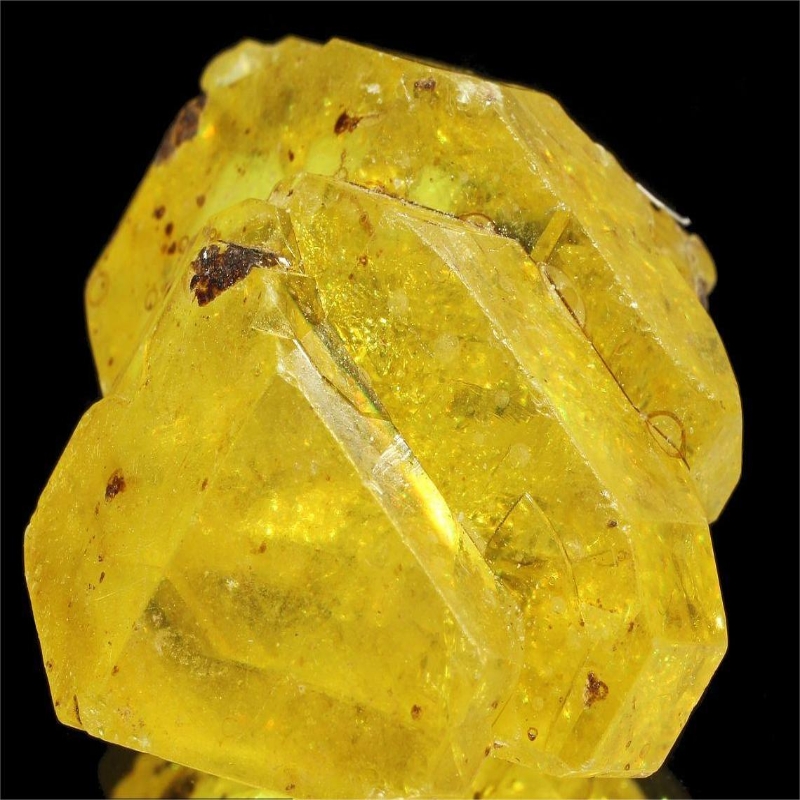


Cadmium bromide
CAS No: 7789-42-6
Formula: Br2Cd
Categories: Inorganic Chemistry > Inorganic Salts
-

high purity hot sale Cadmium Bromide 99% high quality see COA KANBEI
Inquiry -

Cadmium bromide Br2Cd
Inquiry -
,dibromide")
cadmium(2+),dibromide
Inquiry -

Cadmium bromide
Inquiry

3,6-DIPHENYL-9H-CARBAZOLE
CAS No: 56525-79-2
Formula: C24H17N
Categories: Inorganic Chemistry > Inorganic Salts
-

3,6-DIPHENYL-9H-CARBAZOLE
Inquiry -

best price 3,6-Diphenylcarbazole 99% see COA kanbei
Inquiry -

Kindchem high quality 3,6-Diphenyl-9H-Carbazole
Inquiry -

3,6-DIPHENYL-9H-CARBAZOLE
Inquiry


Benzenemethanesulfonyl chloride
CAS No: 1939-99-7
Formula: C7H7ClO2S
Categories: Inorganic Chemistry > Inorganic Salts
-

alpha-Toluenesulfonyl chloride
Inquiry -

professional supplier alpha-Toluenesulfonyl chloride CAS 1939-99-7
Inquiry -

alpha-Toluenesulfonyl chloride 1939-99-7
Inquiry -

PHENYLMETHANESULFONYL CHLORIDE
Inquiry

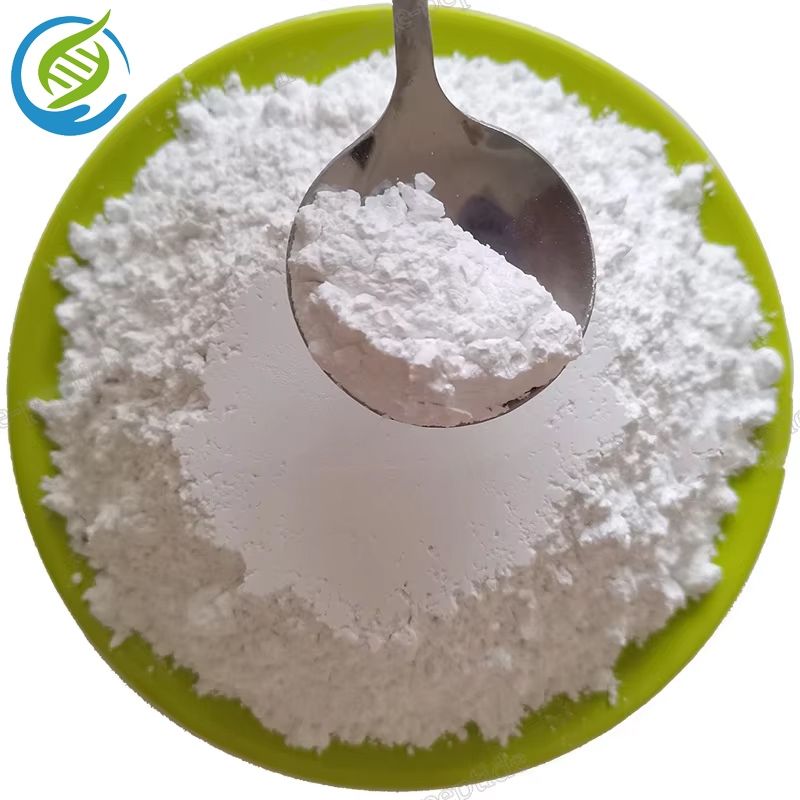


Neodymium trichloride
CAS No: 10024-93-8
Formula: Cl3Nd
Categories: Inorganic Chemistry > Inorganic Salts
-

NEODYMIUM CHLORIDE -a
Inquiry -

NEODYMIUM CHLORIDE
Inquiry -

Anhydrous Neodymium Chloride
$1/KG FOB
Inquiry -

Neodymium Chloride Anhydrous Industrial Grade
Inquiry


Copper iodide
CAS No: 1335-23-5
Formula: Cu.I
Categories: Inorganic Chemistry > Inorganic Salts
-

Cuprous Iodide CAS 1335-23-5
Inquiry -

Cuprous iodide
Inquiry -

Cuprous iodide 1335-23-5
Inquiry -

High quality and low price Cuprous Iodide CAS 1335-23-5
Inquiry


Yttrium nitrate hexahydrate
CAS No: 13494-98-9
Formula: H2O.1/2HNO3.1/6Y
Categories: Inorganic Chemistry > Inorganic Salts
-
 nitrate hexahydrate/13494-98-9")
Yttrium(III) nitrate hexahydrate/13494-98-9
Inquiry -

yttriumnitrat
Inquiry -

YTRRIUM NITRATE
Inquiry -

Yttrium Nitrate Hexahydrate Product
Inquiry



Tungsten carbide (WC)
CAS No: 12070-12-1
Formula: CW
Categories: Inorganic Chemistry > Inorganic Salts
-
 carbide")
Tungsten(IV) carbide
Inquiry -

Tungsten carbide 99% see COA Kanbei kanbei
Inquiry -
")
Tungsten Carbide (Wc)
Inquiry -

TUNGSTEN CARBIDE
Inquiry


Tungsten(VI) Chloride
CAS No: 13283-01-7
Formula: Cl6W
Categories: Inorganic Chemistry > Inorganic Salts
-

Tungsten hexachloride
Inquiry -

13283-01-7
Inquiry -

Tungsten Hexachloride...
Inquiry -

Tungstenchloride
Inquiry


Chromium carbide (Cr3C2)
CAS No: 12012-35-0
Formula: C2Cr3
Categories: Inorganic Chemistry > Inorganic Salts
-

Chromium carbide
Inquiry -

Chromium carbide 99% see COA Kanbei kanbei
Inquiry -

Chromium carbide
Inquiry -

Chromium carbide
Inquiry

927 Inorganic Chemistry Suppliers
Short on time? Let Inorganic Chemistry sellers contact you.
Zirconium chloride (ZrCl4)
CAS No: 10026-11-6
Formula: Cl4Zr
Categories: Inorganic Chemistry > Inorganic Salts
-
-zirconiumchloride(zrcl4")
(beta-4)-zirconiumchloride(zrcl4
Inquiry -

Zirconium tetrachloride
Inquiry -

Zirconium tetrachloride 99.9% Electrical grade
$10/KG FOB
Inquiry -

Zirconium tetrachloride 10026-11-6
Inquiry


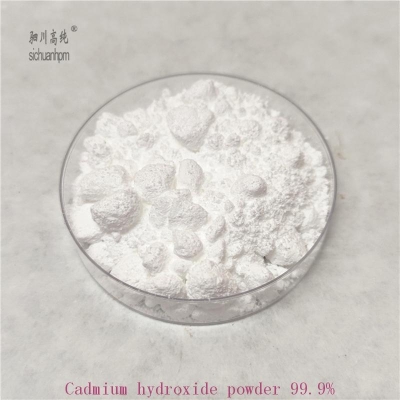
Cadmium hydroxide
CAS No: 21041-95-2
Formula: CdH2O2
Categories: Inorganic Chemistry > Inorganic Bases
-
2 Cd(OH) 99.9% chemical compound material 99.9% schpm")
high pure Cadmium hydroxide Cd(OH)2 Cd(OH) 99.9% chemical compound material 99.9% schpm
Inquiry -
2 Chemical Compound Cas 21041-95-2 99.9% white powder scjc")
Cadmium hydroxide Purity 99.9 Cd(OH)2 Chemical Compound Cas 21041-95-2 99.9% white powder scjc
Inquiry -

Cadmium hydroxide CAS NO 21041-95-2
Inquiry -

CADMIUM HYDROXIDE
Inquiry

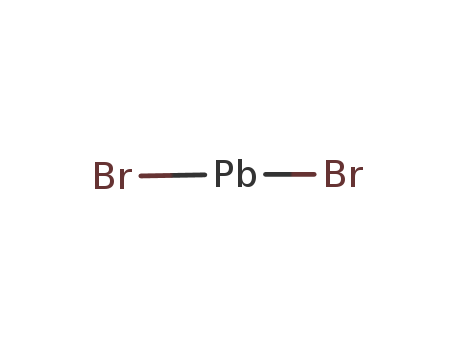
Lead dibromide
CAS No: 10031-22-8
Formula: Br2Pb
Categories: Inorganic Chemistry > Inorganic Salts
-
 bromide")
Lead(II) bromide
Inquiry -

Lead bromide 1
Inquiry -
 bromide")
Lead(II) bromide
Inquiry -
-2,5-bis(2-ethylhexyloxy)benzen e 99% see COA kanbei")
1,4-bis(thiophen-2-yl)-2,5-bis(2-ethylhexyloxy)benzen e 99% see COA kanbei
Inquiry


Rhodium oxide (Rh2O3)
CAS No: 12036-35-0
Formula: O.Rh
Categories: Inorganic Chemistry > Oxides and Peroxides
-

Rhodium oxide
Inquiry -

Rhodium oxide RC03938
$1/KG EXW
Inquiry -

Rhodium oxide
Inquiry -

Rhodium oxide
Inquiry


MOLYBDENUM NITRIDE
CAS No: 12033-31-7
Formula: Mo3N2
Categories: Inorganic Chemistry > Inorganic Salts
-

molybdenum nitride
Inquiry -

MOLYBDENUM NITRIDE
Inquiry -

MOLYBDENUM NITRIDE
Inquiry -

MOLYBDENUM NITRIDE
Inquiry


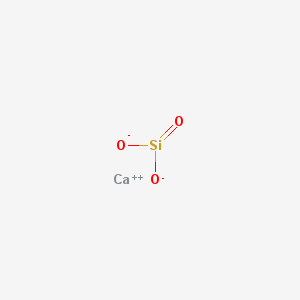
Calcium silicate (CaSiO3)
CAS No: 10101-39-0
Formula: Ca.H2O3Si
Categories: Inorganic Chemistry > Inorganic Salts
-

calcium silicate6
Inquiry -

calcium silicate factoy price
Inquiry -
, calcium salt (1:1)")
Silicic acid (H2SiO3), calcium salt (1:1)
Inquiry -
, calcium salt (1:1)")
Silicic acid (H2SiO3), calcium salt (1:1)
Inquiry


Butyltin oxide
CAS No: 51590-67-1
Formula: C4H10OSn
Categories: Inorganic Chemistry > Oxides and Peroxides
-
tin")
butyl(oxo)tin
Inquiry -

Butyltin oxide
Inquiry -

99% pure high quality raw material Monobutyltin oxide CAS 51590-67-1 with Best Price
Inquiry -

Monobutyltin oxide
Inquiry


Molybdate(2-), tetrathioxo-, ammonium (1:2), (T-4)-
CAS No: 15060-55-6
Formula: H4N.1/2MoS4
Categories: Inorganic Chemistry > Inorganic Salts
-

AMMONIUM TETRATHIOMOLYBDATE.
Inquiry -
")
AMMONIUM TETRATHIOMOLYBDATE (15060-55-6)
Inquiry -

Cost-effective sourcing of 99% pure Ammonium tetrathiomolybdate CAS 15060-55-6 raw material
Inquiry -

Ammonium Tetrathiomolybdate
Inquiry

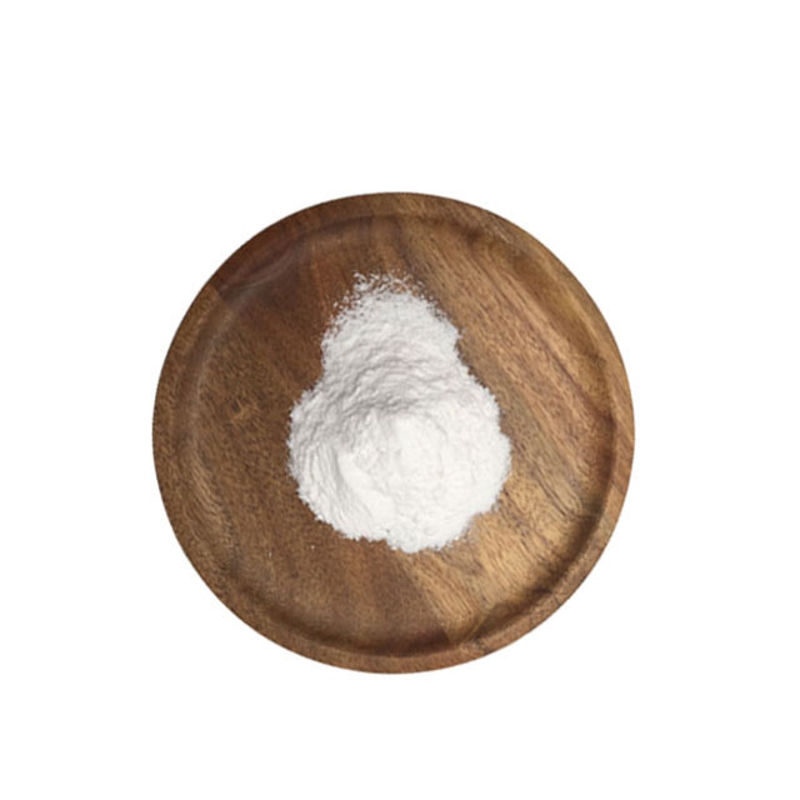

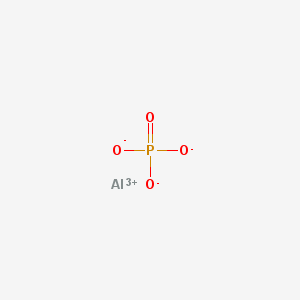
ALUMINUM PHOSPHATE
CAS No: 56574-68-6
Formula: AlO4P
Categories: Inorganic Chemistry > Inorganic Salts
-

ALUMINUM PHOSPHATE
Inquiry -

ALUMINUM PHOSPHATE
Inquiry -

ALUMINUM PHOSPHATE
Inquiry -

AluMinuM phosphate, 97%
Inquiry
Calcium sulfide
CAS No: 20548-54-3
Formula: CaS
Categories: Inorganic Chemistry > Depilatory
-

CALCIUM SULFIDE
Inquiry -

high quality CALCIUM SULFIDE 99% transparent liquid KANBEI
Inquiry -

CALCIUM SULFIDE 20548-54-3 Inorganic chemical metal sulfides and sulfates
Inquiry -

Calcium sulfide
Inquiry


New Arrivals
Most Popular
-

Tellurium tetrachloride 99.99% White powder Dideu
-

Phosphorus Nitride P3N5 99.9% factory direct sales
$4/G EXW
-

High Quality Sodium molybdate 99% Powder 7631-95-0 -Shaanxi Dideu Medichem Co.Ltd
$1/KG FOB
-

Periodic acid 99% hhigh quality manufacture in China Dideu group


-

White fused aluminum oxide powder 2000 grit
-

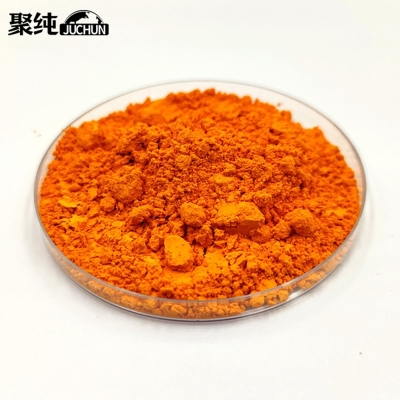
Selenium Sulfide Powder 99.99% SeS2 Sulfide Compound Powder Cas7488-56-4 99.99% yellow powder JUCHUN
-

SKYSIL S10 Fumed Aluminium Silicon Powder For Hydrophobic Silica CAS No. 7631-86-9
$5.5-6/KG FOB
-

AB-300 Anti Blocking Agent For Films CAS No. 7631-86-9
$3.5-4/KG FOB
People are searching
Frequently Asked Questions
Inorganic chemistry is fundamental to multiple industries. It supports the development of catalysts, pigments, coatings, fertilizers, batteries, ceramics, and pharmaceutical intermediates. Understanding inorganic reactions and properties allows industries to improve product performance, increase efficiency, and develop innovative solutions for modern technology and sustainable processes.
The main difference lies in the type of compounds studied:
Organic chemistry focuses on carbon-containing compounds, including hydrocarbons and their derivatives, studying their structure, reactivity, synthesis, and applications.
Inorganic chemistry focuses on compounds not primarily based on carbon-hydrogen bonds, including metals, salts, minerals, and nonmetal compounds, exploring their properties, reactions, and industrial applications.
Both branches overlap in areas like organometallics and coordination chemistry, but their core scope differs.
Inorganic substances are those that generally lack C-H bonds. Examples include salts such as sodium chloride and potassium nitrate; metals like iron, copper, and aluminum; minerals and oxides such as quartz, diamond, and titanium dioxide; and other compounds including inorganic phosphates, sulfates, and nitrates. Inorganic compounds are widely used in chemical manufacturing, catalysis, materials, electronics, water treatment, and environmental applications.
Inorganic chemistry is the branch of chemistry that studies compounds and elements that generally do not contain carbon-hydrogen (C-H) bonds. It focuses on the properties, structures, reactions, and applications of inorganic substances, which include metals, salts, minerals, oxides, acids, bases, and coordination compounds. Inorganic chemistry plays a key role in industries such as materials science, catalysis, energy storage, pharmaceuticals, and environmental chemistry.