




Inorganic Chemistry
Get Inorganic Chemistry Raw Materials by RegionInorganic Chemistry
- • Elementary Substance (191)
- • Industrial Gases (21)
- • Inorganic Bases (56)
- • Inorganic Acid (57)
- • Inorganic Salts (1924)
- • Oxides and Peroxides (187)
- • Silica gel (5)
- • Non-metallic Minerals (14)
- • Coating Materials (24)
- • Phosphorus Compounds (50)
- • Iron Compounds (22)
- • Bromine Compounds (20)
Related News
Related Products Price


Inorganic Chemicals
Inorganic Chemicals Suppliers
-

NITRATE
Inquiry -

NITRATE
Inquiry -

Nitrate
Inquiry -

NITRATE
Inquiry


APATITE
CAS No: 64476-38-6
Formula: Ca5FO12P3
Categories: Inorganic Chemistry > Inorganic Salts
-

APATITE CAS NO.:64476-38-6 99% Dideu-1-73875 Dideu
Inquiry -

APATITE
Inquiry -

APATITE
Inquiry -

Apatite-group minerals
Inquiry



Cobalt
CAS No: 7440-48-4
Formula: Co
Categories: Inorganic Chemistry > Elementary Substance
-

7440-48-4Cobalt 10%7440-48-4
Inquiry -

Co Cobalt
Inquiry -

Cobalt, CAS:7440-48-4
$40-45/KG FOB
Inquiry -

High Purity 99.98% Atomized Reduced Cobalt Metal Powder Price
Inquiry




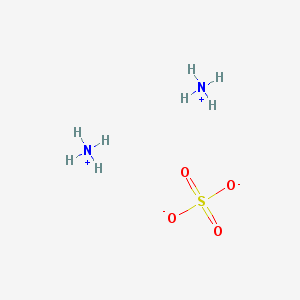
Ammonium sulfate
CAS No: 7783-20-2
Formula: H3N.1/2H2O4S
Categories: Inorganic Chemistry > Viscosity Controlling
-

Ammonium Sulphate Fertilizer Nitrogen 21% White Granular for Crop Growth and Soil Improvement
$274.43-313.63/MT FOB
Inquiry -

Factory Supply Ammonium Sulfate Fertilizer With Best Price
Inquiry -

Hot Sale CAS 7783-20-2 Ammonium Sulfate Fertilizer
Inquiry -
2 So4 CAS 7783-20-2 Ammonium Sulphate Ammonium Sulfate")
Agriculture Grade Food Grade Fertilizer(NH4)2 So4 CAS 7783-20-2 Ammonium Sulphate Ammonium Sulfate
Inquiry


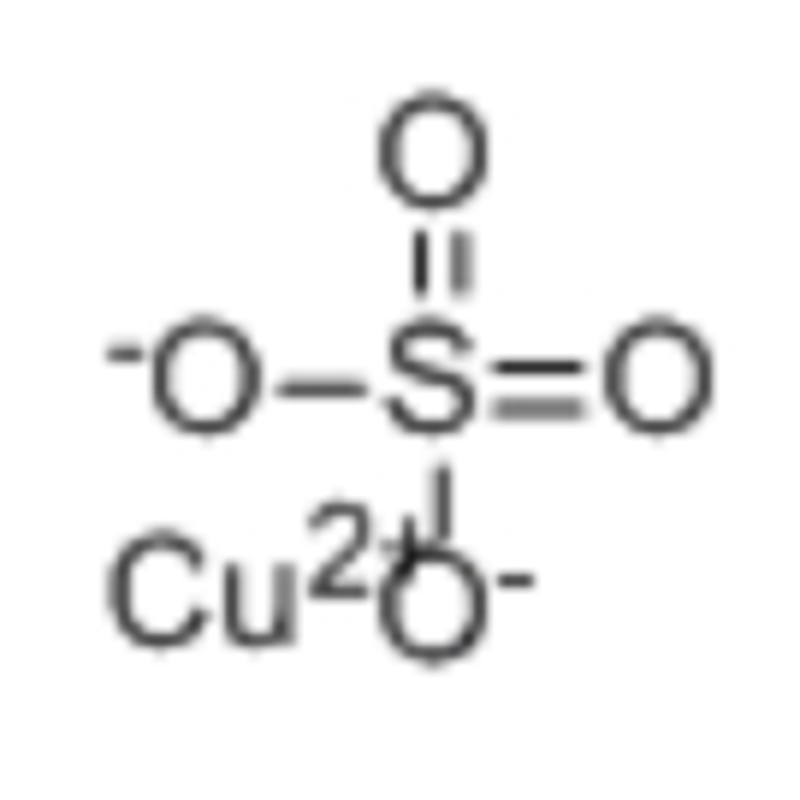
Copper sulfate
CAS No: 7758-98-7
Formula: Cu.H2O4S
Categories: Inorganic Chemistry > Skin Conditioning
-

High Quality Copper Sulfate Anhydrous 99% powder 7758-98-7-Shaanxi Dideu Medichem Co.Ltd
$1/KG FOB
Inquiry -
 sulfate, CAS:7758-98-7")
Copper(II) sulfate, CAS:7758-98-7
$9-10/KG FOB
Inquiry -
 Sulfate CAS 7758-98-7")
Copper (II) Sulfate CAS 7758-98-7
Inquiry -
 sulfate CAS 7758-98-7 with Best Price")
100% Safe customs clearance high quality Cpper(II) sulfate CAS 7758-98-7 with Best Price
Inquiry



GLUCOSE
CAS No: 58367-01-4
Formula: C6H12O6
Categories: Inorganic Chemistry > Water Stabilizer
-

DL-Glucose
Inquiry -

Glucose CAS:58367-01-4 25kg/Bag
Inquiry -
 food grade")
Oral Glucose9(cas:58367-01-4) food grade
Inquiry -

D,L-glucose
Inquiry


Lead
CAS No: 7439-92-1
Formula: Pb
Categories: Inorganic Chemistry > Elementary Substance
-

Lead 99% Dideu
Inquiry -

Lead
Inquiry -

Lead Ingots good quality
$1700-2000/MT FOB
Inquiry -

Lead powder 99% see COA kanbei
Inquiry


Polyaluminum chloride
CAS No: 1327-41-9
Categories: Inorganic Chemistry > Water Stabilizer
-

Industry/Food-grade Poly Aluminum Chloride20%-30% For water treatment Additive
$235.22/MT EXW
Inquiry -

Factory Supply Poly Aluminium Chloride PAC CAS 1327-41-9 Inorganic Flocculant Water Treatment Chemical Raw Material
$800-1000/MT FOB
Inquiry -

Factory Directly Supply CAS No. 1327-41-9 White Solid Polyaluminium Chloride for Drinking Water Treatment
$200-250/MT FOB
Inquiry -

Aluminum chlorohydrate 98% solid 1327-41-9 Dideu
$1/KG FOB
Inquiry


Barium sulfate
CAS No: 7727-43-7
Formula: Ba.H2O4S
Categories: Inorganic Chemistry > Cosmetic Colorant
-

Barium Sulfate CAS No 7727-43-7
$1/MT FOB
Inquiry -

Barium sulfate 99% powder 7727-43-7 Dideu
$1/KG FOB
Inquiry -

High Purity Barium Sulfate for Paint and Coatings 325 Mesh CAS No 7727-43-7
Inquiry -

Barium sulfate 7727-43-7
Inquiry


Magnesium chloride
CAS No: 7786-30-3
Formula: Cl2Mg
Categories: Inorganic Chemistry > Viscosity Controlling
-

Magnesium chloride 99% Dideu
Inquiry -

Factory Supply Lowest Price Magnesium Chloride/Mgcl2 CAS 7786-30-3
Inquiry -

Cl2Mg
Inquiry -

Magnesium chloride anhydrous
Inquiry


924 Inorganic Chemistry Suppliers
Short on time? Let Inorganic Chemistry sellers contact you.
Iron oxide
CAS No: 1332-37-2
Formula: Fe2O3
Categories: Inorganic Chemistry > Paint Pigment & Filler


Magnesium chloride
CAS No: 14989-29-8
Formula: MgCl2
Categories: Inorganic Chemistry > Industrial Coatings



Ammonium bicarbonate
CAS No: 1066-33-7
Formula: CH2O3.H3N
Categories: Inorganic Chemistry > Buffering
-

Ammonium bicarbonate 98% solid 1066-33-7 Dideu
$1/KG FOB
Inquiry -

Ammonium bicarbonate
Inquiry -

99% pure high quality raw material Ammonium bicarbonate CAS 1066-33-7 with Best Price
Inquiry -

Ammonium Bicarbonate Powder Manufacturers Price 1066-33-7 Nh4hco3 99.2 Industrial Food Grade Ammonium Bicarbonate
Inquiry


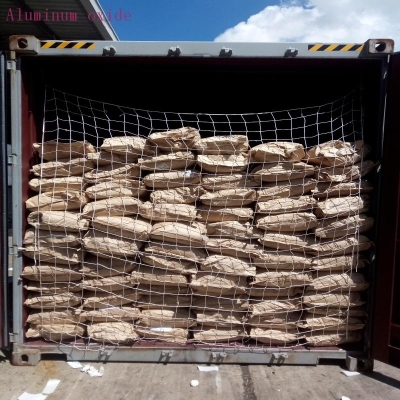
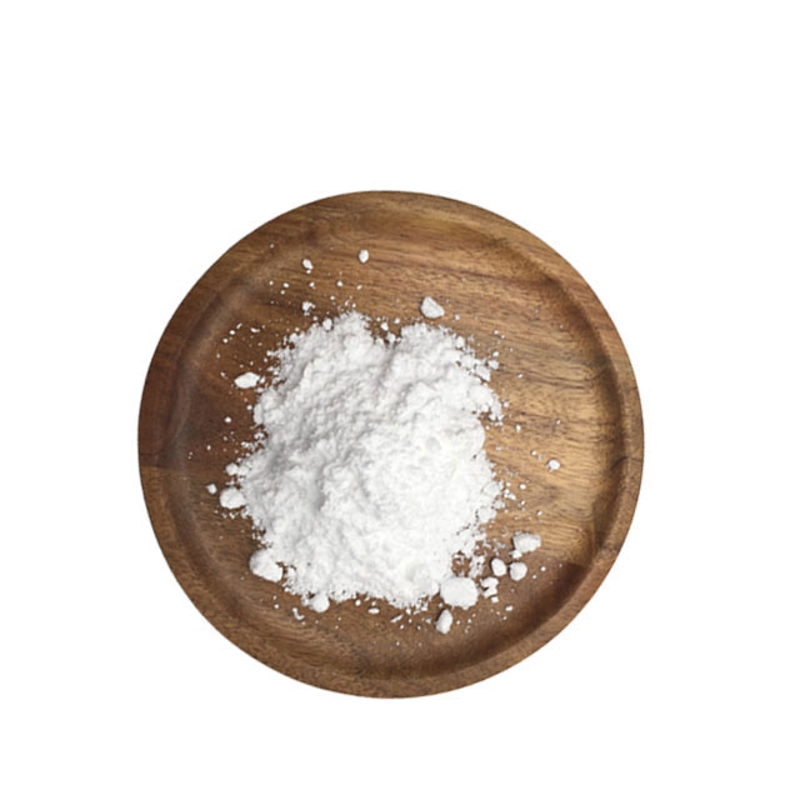
Alumina
CAS No: 1344-28-1
Formula: Al2O3
Categories: Inorganic Chemistry > Viscosity Controlling
Diammonium hydrogen phosphate
CAS No: 7783-28-0
Formula: H3N.1/2H3O4P
Categories: Inorganic Chemistry > Anticorrosive
-

Wholesale Quality DAP Fertilizer 7783-28-0 / Diammonium Phosphate Fertilizer
$1300-1350/MT FOB
Inquiry -

High Quality Ammonium Mono Phosphate 99% powder 7783-28-0 Shaanxi Dideu Medichem Co.Ltd
$1/KG FOB
Inquiry -

Diammonium Phosphate 7783-28-0
Inquiry -

Agricultural & Industrial Grade Diammonium Phosphate DAP CAS 7783-28-0 NPK Fertilizer & Industrial Material
Inquiry



Epsom Salt
CAS No: 7487-88-9
Formula: H2O4S.Mg
Categories: Inorganic Chemistry > Viscosity Controlling
-

Industrial Grade/Food-grade Magnesium Sulfate Heptahydrate For food additives
$98.01-127.41/MT EXW
Inquiry -

Magnesium sulfate 7487-88-9
Inquiry -

Magnesium sulfate 1
Inquiry -

Magnesium Sulphate, CAS:7487-88-9
$12-13/KG FOB
Inquiry


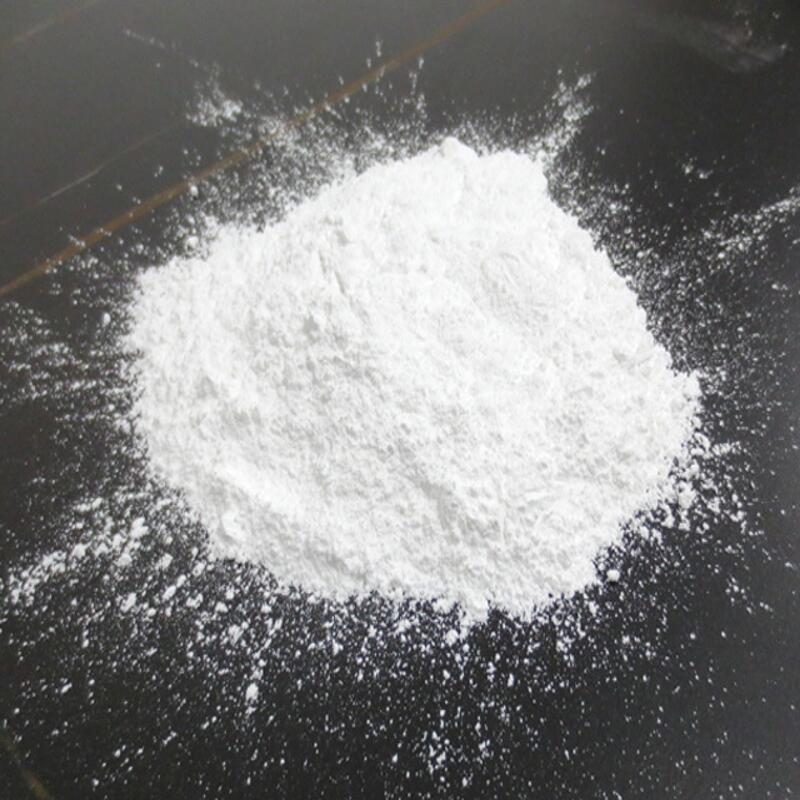

Silver
CAS No: 7440-22-4
Formula: Ag
Categories: Inorganic Chemistry > Cosmetic Colorant
Silver (symbol Ag) is one of the basic elements present in the earth's crust. Silver is rare, but occurs naturally in the environment as a soft, “silver”-colored metal or as a white powdery compound (silver nitrate). Metallic silver and silver allMore
-

Silver 99% Dideu
Inquiry -

Silver
Inquiry -

4N High Pure Silver Metal Ag 99.99% Basic Chemical Raw Material CAS 7440-22-4 SCHPM Factory Supply
$1-1.3/MT FOB
Inquiry -

99.99% pure Ag nano silver powder CAS 7440-22-4
Inquiry


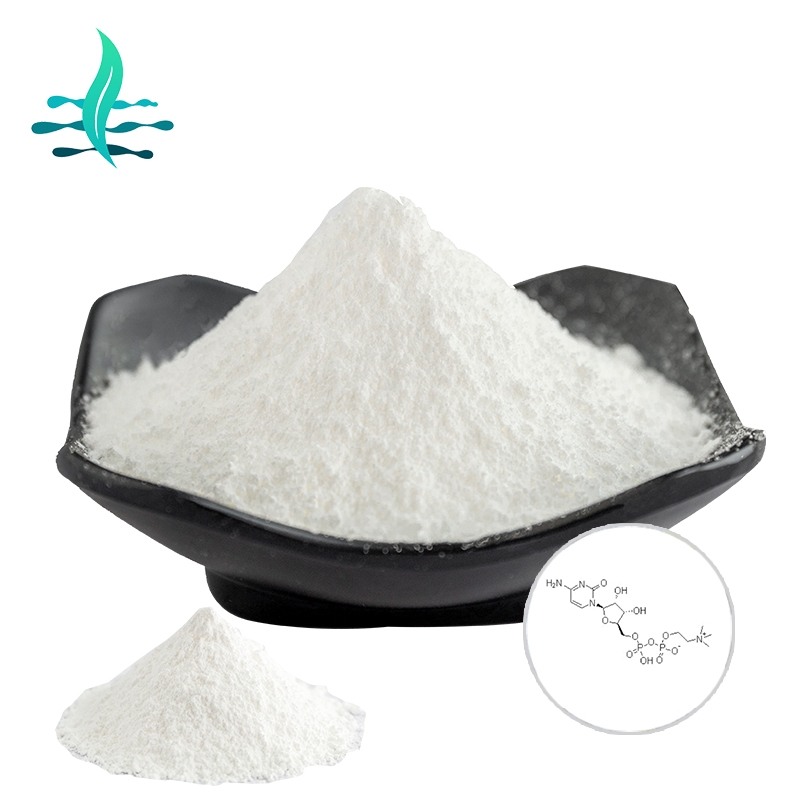
Ammonium dihydrogen phosphate
CAS No: 7722-76-1
Formula: H3N.H3O4P
Categories: Inorganic Chemistry > Oral Care
Ammonium dihydrogen phosphate or monoammonium phosphate is formed when a solution of phosphoric acid is added to ammonia until the solution is distinctly acid. It crystallizes in quadratic prisms. Monoammonium phosphate is often used in the blending of dry agricultural fertilizers. It supplies soil with the elements nitrogen and phosphorus in aMore
-

Powder/Crystal Mono Ammonium Phosphate Map Fertilizer 12-61 for Agricultural Use
Inquiry -

quality MAP 7722-76-1 Monoammonium phosphate Fertilizer MAP
$550-610/MT FOB
Inquiry -

Ammonium dihydrogen phosphatecas7722-76-1
Inquiry -

Industrial/Food Grade Ammonium Dihydrogen Phosphate CAS 7722-76-1 Flame Retardant & Fertilizer
Inquiry


Sodium hydroxide
CAS No: 1310-73-2
Formula: HNaO
Categories: Inorganic Chemistry > Buffering
-

Aetznatron
Inquiry -

Industrial Grade 99% Caustic Soda in Flake Pearl and Solid Forms
$343.04-392.04/MT FOB
Inquiry -

Arctic Factory Hot Sale Sodium Hydroxide 99% Pearls CAS 1310-73-2 Low Impurity Industrial Alkali
$500-600/MT FOB
Inquiry -

Sodium hydroxide Dideu
Inquiry


Potassium sulfate
CAS No: 7778-80-5
Formula: H2O4S.2K
Categories: Inorganic Chemistry > Viscosity Controlling
-

Industrial & Agricultural Grade Potassium Sulfate SOP Chloride-Free Fertilizer CAS 7778-80-5
$539.06-588.06/MT EXW
Inquiry -

Dideu support high quality Potassium Sulfate
Inquiry -

Premium Potassium Sulfate Fertilizer K2SO4 50%
Inquiry -

Arcanum duplicatum
Inquiry


New Arrivals
Most Popular
-

Tellurium tetrachloride 99.99% White powder Dideu
-

High Quality Sodium molybdate 99% Powder 7631-95-0 -Shaanxi Dideu Medichem Co.Ltd
$1/KG FOB
-

Phosphorus Nitride P3N5 99.9% factory direct sales
$4/G EXW
-

Periodic acid 99% hhigh quality manufacture in China Dideu group


-

White fused aluminum oxide powder 2000 grit
-

Selenium Sulfide Powder 99.99% SeS2 Sulfide Compound Powder Cas7488-56-4 99.99% yellow powder JUCHUN
-

SKYSIL S10 Fumed Aluminium Silicon Powder For Hydrophobic Silica CAS No. 7631-86-9
$5.5-6/KG FOB
-

AB-300 Anti Blocking Agent For Films CAS No. 7631-86-9
$3.5-4/KG FOB
People are searching
Frequently Asked Questions
Inorganic chemistry is fundamental to multiple industries. It supports the development of catalysts, pigments, coatings, fertilizers, batteries, ceramics, and pharmaceutical intermediates. Understanding inorganic reactions and properties allows industries to improve product performance, increase efficiency, and develop innovative solutions for modern technology and sustainable processes.
The main difference lies in the type of compounds studied:
Organic chemistry focuses on carbon-containing compounds, including hydrocarbons and their derivatives, studying their structure, reactivity, synthesis, and applications.
Inorganic chemistry focuses on compounds not primarily based on carbon-hydrogen bonds, including metals, salts, minerals, and nonmetal compounds, exploring their properties, reactions, and industrial applications.
Both branches overlap in areas like organometallics and coordination chemistry, but their core scope differs.
Inorganic substances are those that generally lack C-H bonds. Examples include salts such as sodium chloride and potassium nitrate; metals like iron, copper, and aluminum; minerals and oxides such as quartz, diamond, and titanium dioxide; and other compounds including inorganic phosphates, sulfates, and nitrates. Inorganic compounds are widely used in chemical manufacturing, catalysis, materials, electronics, water treatment, and environmental applications.
Inorganic chemistry is the branch of chemistry that studies compounds and elements that generally do not contain carbon-hydrogen (C-H) bonds. It focuses on the properties, structures, reactions, and applications of inorganic substances, which include metals, salts, minerals, oxides, acids, bases, and coordination compounds. Inorganic chemistry plays a key role in industries such as materials science, catalysis, energy storage, pharmaceuticals, and environmental chemistry.