




Inorganic Chemistry
Get Inorganic Chemistry Raw Materials by RegionInorganic Chemistry
- • Elementary Substance (191)
- • Industrial Gases (21)
- • Inorganic Bases (56)
- • Inorganic Acid (57)
- • Inorganic Salts (1924)
- • Oxides and Peroxides (187)
- • Silica gel (5)
- • Non-metallic Minerals (14)
- • Coating Materials (24)
- • Phosphorus Compounds (50)
- • Iron Compounds (22)
- • Bromine Compounds (20)
Related News
Related Products Price


Inorganic Chemicals
Inorganic Chemicals Suppliers
Ammonium propionate
CAS No: 17496-08-1
Formula: C3H6O2.H3N
Categories: Inorganic Chemistry > Cosmetic Preservative
-

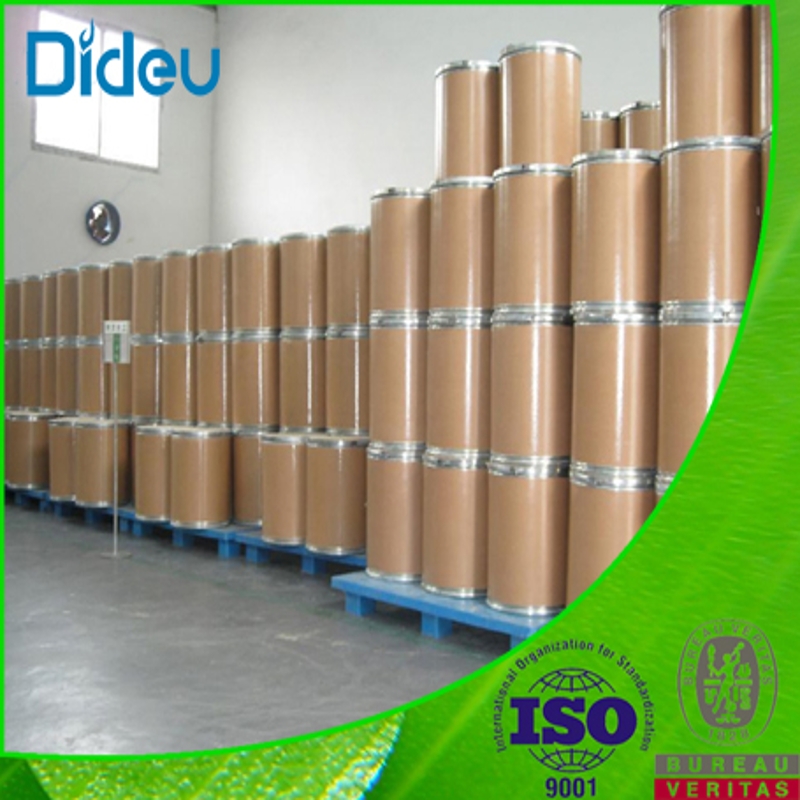
High Quality Ammonium Propionate 99% powder 17496-08-1 Shaanxi Dideu Medichem Co.Ltd
$1/KG FOB
Inquiry -

ammonium propionate
Inquiry -

Ammonium propionate17496-08-1
Inquiry -

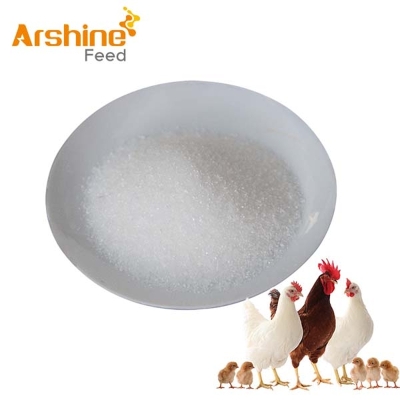
Ammonium Propionate 22.3% Gray powder Arshine
Inquiry


Tin sulfide (SnS2)
CAS No: 1315-01-1
Formula: S2Sn
Categories: Inorganic Chemistry > Inorganic Salts
-

100% Safe customs clearance high quality Tin sulfide CAS 1315-01-1 with Best Price
Inquiry -
 sulphide")
Tin(IV) sulphide
Inquiry -

Tin sulfide 1315-01-1
Inquiry -

Tin sulfide 1315-01-1
Inquiry



Rosin, hydrogenated
CAS No: 65997-06-0
Categories: Inorganic Chemistry > Film Forming


Antimony oxide
CAS No: 1327-33-9
Categories: Inorganic Chemistry > Oxides and Peroxides
-
 Oxide 99.8%")
Antimony(III) Oxide 99.8%
Inquiry -
 oxide flame retardant")
Antimony(III) oxide flame retardant
Inquiry -
 Oxide")
Antimony(III) Oxide
Inquiry -
 Oxide")
Antimony(III) Oxide
Inquiry



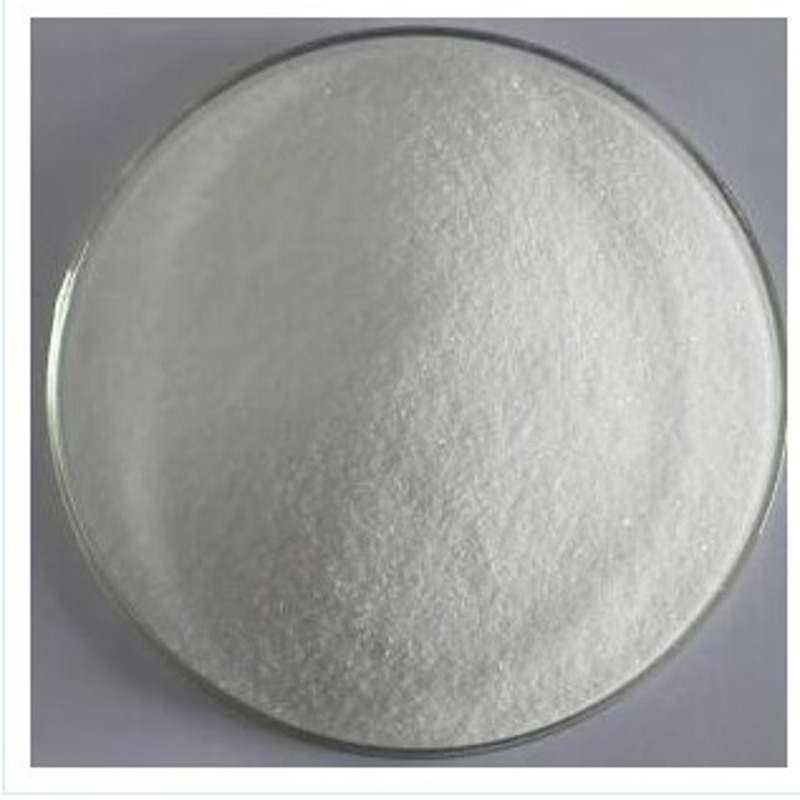
Boron phosphate
CAS No: 13308-51-5
Formula: BO4P
Categories: Inorganic Chemistry > Inorganic Salts


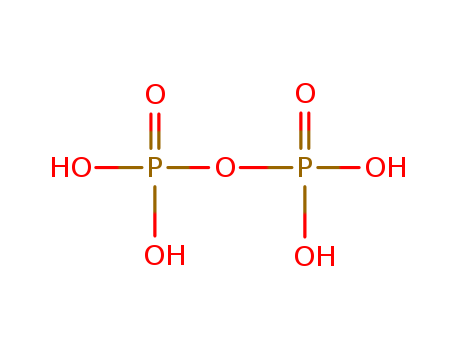
Pyrophosphoric acid
CAS No: 2466-09-3
Formula: H4O7P2
Categories: Inorganic Chemistry > Inorganic Acid
-

Pyrophosphoric acid 99% liquid 2466-09-3 Dideu
$1/KG FOB
Inquiry -

Pyrophosphoric acid
Inquiry -

Pyrophosphoric acid 2466-09-3
Inquiry -

Factory supply Pyrophosphoric acid ,diphosphoric acid CAS NO.2466-09-3
Inquiry


Magnesium fluorosilicate
CAS No: 16949-65-8
Formula: F6Si.Mg
Categories: Inorganic Chemistry > Antiplaque
-

Magnesium fluorosilicate
Inquiry -

Magnesium fluorosilicate
Inquiry -

Magnesium Fluorosilicate Mgsif6 Building Materials 99% Powder BX-MSF-01
Inquiry -

Magnesium fluosilicate
Inquiry


Sodium sulfate decahydrate
CAS No: 7727-73-3
Formula: H2O4S.10H2O.2Na
Categories: Inorganic Chemistry > Viscosity Controlling
-

SODIUM SULFATE DECAHYDRATE 99% Solid 7727-73-3 Dideu
$1/KG FOB
Inquiry -

SODIUM SULFATE DECAHYDRATE With Best Quality
Inquiry -

SODIUM SULFATE DECAHYDRATE
Inquiry -

SODIUM SULFATE, 10-HYDRATE
Inquiry


Cesium fluoride
CAS No: 13400-13-0
Formula: CsF
Categories: Inorganic Chemistry > Inorganic Salts



Sodium tetrafluoroborate
CAS No: 13755-29-8
Formula: BF4.Na
Categories: Inorganic Chemistry > Inorganic Salts
-

Sodium tetrafluoroborate 99% powder 13755-29-8 Dideu
$1/KG FOB
Inquiry -

Sodium tetrafluoroborate
Inquiry -

China Most Professional Factory Supply High Qulity Sodium Tetrafluoroborate CAS 13755-29-8
Inquiry -

Factory Price Sell Sodium Fluoborate Crystal Powder with Sodium Tetrafluoroborate and NaBF4 13755-29-8
Inquiry


913 Inorganic Chemistry Suppliers
Short on time? Let Inorganic Chemistry sellers contact you.
Ammonium tetrachloropalladate
CAS No: 13820-40-1
Formula: Cl4Pd.2H4N
Categories: Inorganic Chemistry > Inorganic Salts
-
 99% high purity certified Professional producer Greenbo")
Ammonium tetrachloropalladate(II) 99% high purity certified Professional producer Greenbo
Inquiry -
. 99% transparent liquid KANBEI")
high quality Ammonium tetrachloropalladate(II). 99% transparent liquid KANBEI
Inquiry -
-ammonium chloride")
Palladium(II)-ammonium chloride
Inquiry -

ammonium tetrachloropalladate
Inquiry


Nitric acid, rubidium salt (1:1)
CAS No: 13126-12-0
Formula: HNO3.Rb
Categories: Inorganic Chemistry > Inorganic Salts
-

Rubidium nitrate
$1/KG EXW
Inquiry -

Rubidium nitrate
Inquiry -

high purity hot sale Rubidium nitrate 99% high quality see COA KANBEI
Inquiry -

Rubidium nitrate
Inquiry

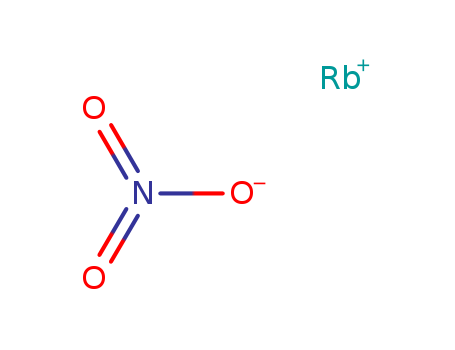
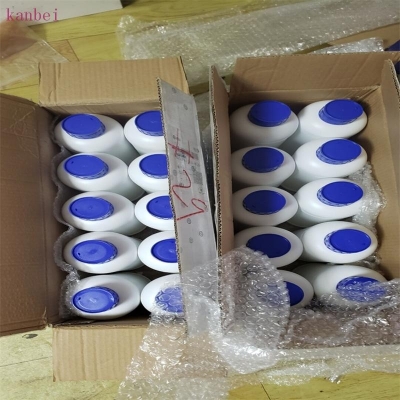

17α-Acetoxy-19-norprogesterone
CAS No: 31981-44-9
Formula: C22H30O4
Categories: Inorganic Chemistry > Elementary Substance
-

High Quality Gestonoronacetat CAS 31981-44-9 Powder Fast Shipping Good Price
Inquiry -

GMP Factory Supply Gestonorone acetate CAS 31981-44-9
Inquiry -

Gestonorone acetate CAS31981-44-9
Inquiry -

Gestonoronacetat
Inquiry
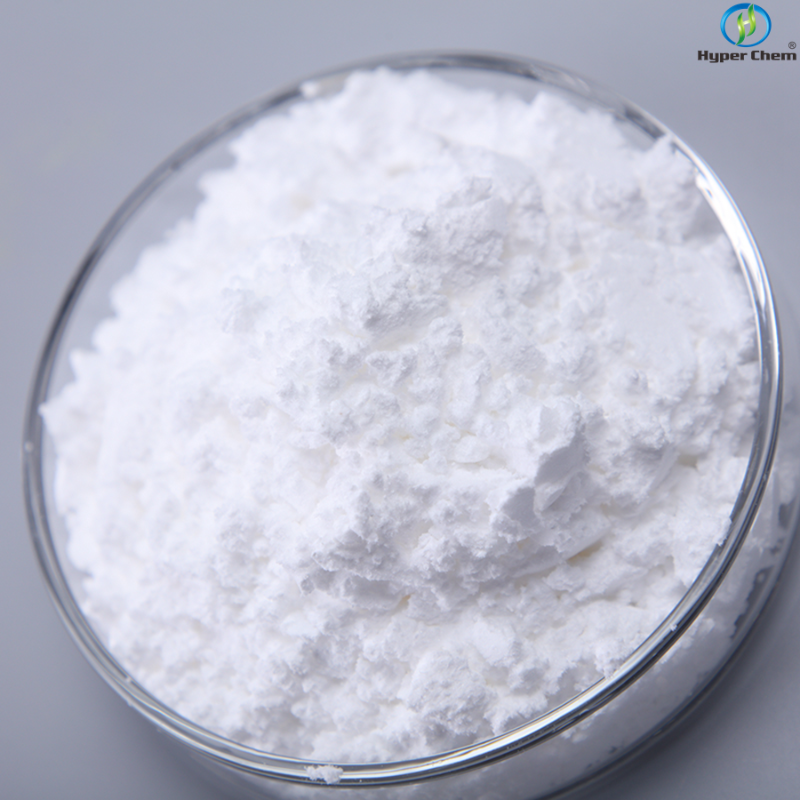


3,5-Dimethylbenzonitrile
CAS No: 22445-42-7
Formula: C9H9N
Categories: Inorganic Chemistry > Elementary Substance
-

3,5-Dimethylbenzonitrile
Inquiry -

3,5-Dimethylbenzonitrile CAS NO 22445-42-7
Inquiry -

3,5-Dimethylbenzonitrile
Inquiry -

3,5-dimethylbenzonitrile
Inquiry


Gadolinium nitrate
CAS No: 94219-55-3
Formula: Gd(NO3)3·XH2O
Categories: Inorganic Chemistry > Inorganic Salts
-

Gadolinium nitrate -a
Inquiry -

Gadolinium nitrate
Inquiry -
36H2O 99% see COA kanbei")
Gd(NO3)36H2O 99% see COA kanbei
Inquiry -

Gadolinium nitrate
Inquiry


Erbium chloride
CAS No: 10138-41-7
Formula: Cl3Er
Categories: Inorganic Chemistry > Skin Protecting
-

Erbium Chloride Anhydrous 99.9% light pink powder CAMO
Inquiry -

lowest price ERBIUM CHLORIDE 99% high quality see COA KANBEI
Inquiry -
 chloride")
Erbium(III) chloride
Inquiry -
 Chloride, Ultra Dry (Reo)")
Erbium(Iii) Chloride, Ultra Dry (Reo)
Inquiry


Cadmium bromide
CAS No: 7789-42-6
Formula: Br2Cd
Categories: Inorganic Chemistry > Inorganic Salts
-

high purity hot sale Cadmium Bromide 99% high quality see COA KANBEI
Inquiry -

Cadmium bromide Br2Cd
Inquiry -
,dibromide")
cadmium(2+),dibromide
Inquiry -

Cadmium bromide
Inquiry

3,6-DIPHENYL-9H-CARBAZOLE
CAS No: 56525-79-2
Formula: C24H17N
Categories: Inorganic Chemistry > Inorganic Salts
-

3,6-DIPHENYL-9H-CARBAZOLE
Inquiry -

best price 3,6-Diphenylcarbazole 99% see COA kanbei
Inquiry -

Kindchem high quality 3,6-Diphenyl-9H-Carbazole
Inquiry -

3,6-DIPHENYL-9H-CARBAZOLE
Inquiry


Lecithins, hydrogenated
CAS No: 92128-87-5
Formula:
Categories: Inorganic Chemistry > Skin Conditioning
-

Stable Stock Hydrogenated Soy Lecithin 92128-87-5
Inquiry -

Hot Selling Raw Material Cosmetics Grade Hydrogenated Lecithin CAS 92128-87-5 Factory Supply High Qulity
Inquiry -

Hot Selling Lecithin Hydrogenated 92128-87-5 Factory Supply Raw Materials High Qulity Wholesale price
Inquiry -

Cas no. 92128-87-5 Lecithin Hydrogenated mainly used in Biochemical field
Inquiry


Neodymium trichloride
CAS No: 10024-93-8
Formula: Cl3Nd
Categories: Inorganic Chemistry > Inorganic Salts
-

NEODYMIUM CHLORIDE -a
Inquiry -

NEODYMIUM CHLORIDE
Inquiry -

Neodymium Chloride Anhydrous Industrial Grade
Inquiry -

Neodymium Chloride Anhydrous 99.9% CAMO
Inquiry


New Arrivals
Most Popular
-

Tellurium tetrachloride 99.99% White powder Dideu
-

High Quality Sodium molybdate 99% Powder 7631-95-0 -Shaanxi Dideu Medichem Co.Ltd
$1/KG FOB
-

Phosphorus Nitride P3N5 99.9% factory direct sales
$4/G EXW
-

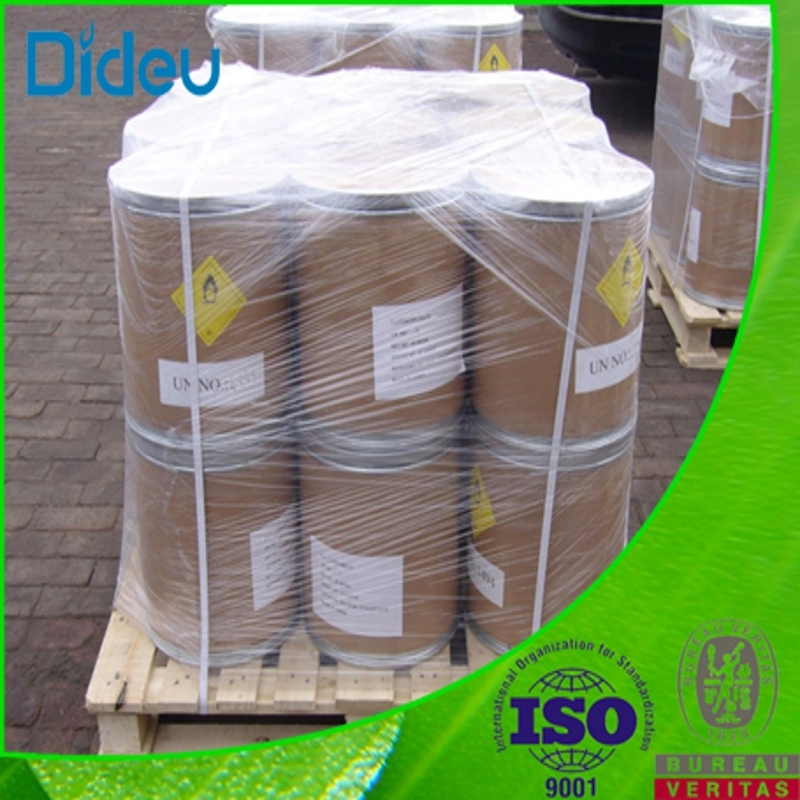
Periodic acid 99% hhigh quality manufacture in China Dideu group


-

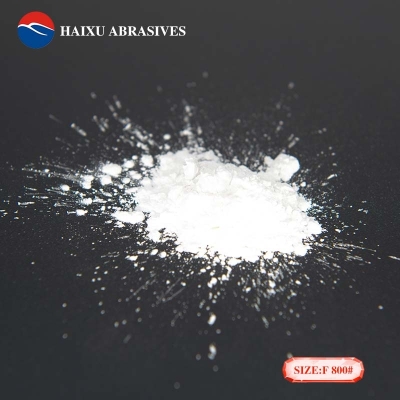
White fused aluminum oxide powder 2000 grit
-

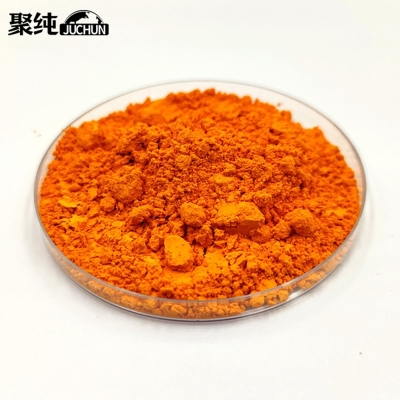
Selenium Sulfide Powder 99.99% SeS2 Sulfide Compound Powder Cas7488-56-4 99.99% yellow powder JUCHUN
-

SKYSIL S10 Fumed Aluminium Silicon Powder For Hydrophobic Silica CAS No. 7631-86-9
$5.5-6/KG FOB
-

AB-300 Anti Blocking Agent For Films CAS No. 7631-86-9
$3.5-4/KG FOB
People are searching
Frequently Asked Questions
Inorganic chemistry is fundamental to multiple industries. It supports the development of catalysts, pigments, coatings, fertilizers, batteries, ceramics, and pharmaceutical intermediates. Understanding inorganic reactions and properties allows industries to improve product performance, increase efficiency, and develop innovative solutions for modern technology and sustainable processes.
The main difference lies in the type of compounds studied:
Organic chemistry focuses on carbon-containing compounds, including hydrocarbons and their derivatives, studying their structure, reactivity, synthesis, and applications.
Inorganic chemistry focuses on compounds not primarily based on carbon-hydrogen bonds, including metals, salts, minerals, and nonmetal compounds, exploring their properties, reactions, and industrial applications.
Both branches overlap in areas like organometallics and coordination chemistry, but their core scope differs.
Inorganic substances are those that generally lack C-H bonds. Examples include salts such as sodium chloride and potassium nitrate; metals like iron, copper, and aluminum; minerals and oxides such as quartz, diamond, and titanium dioxide; and other compounds including inorganic phosphates, sulfates, and nitrates. Inorganic compounds are widely used in chemical manufacturing, catalysis, materials, electronics, water treatment, and environmental applications.
Inorganic chemistry is the branch of chemistry that studies compounds and elements that generally do not contain carbon-hydrogen (C-H) bonds. It focuses on the properties, structures, reactions, and applications of inorganic substances, which include metals, salts, minerals, oxides, acids, bases, and coordination compounds. Inorganic chemistry plays a key role in industries such as materials science, catalysis, energy storage, pharmaceuticals, and environmental chemistry.