




Inorganic Chemistry
- • Elementary Substance (191)
- • Industrial Gases (21)
- • Inorganic Bases (56)
- • Inorganic Acid (57)
- • Inorganic Salts (1924)
- • Oxides and Peroxides (187)
- • Silica gel (5)
- • Non-metallic Minerals (14)
- • Coating Materials (24)
- • Phosphorus Compounds (50)
- • Iron Compounds (22)
- • Bromine Compounds (20)
Related News


Inorganic Salts
Sort Inorganic Salts Alphabetically
Inorganic Salts
Get Inorganic Salts Raw Materials by Region1H-Indol-3-ol, 3-(hydrogen sulfate), potassium salt (1:1)
(2642-37-7)-

- / 99.00%
-

Industrial Grade, Feed Grade, Food Grade, Pharma Grade / 99%
-

-



Request for quotation , get quotes from more suppliers.
Barium thiocyanate
(2092-17-3)-

Industrial Grade, Feed Grade, Food Grade, Pharma Grade / 99%
-

-

Industrial Grade / 99%
-

Industrial Grade / 90%


Request for quotation , get quotes from more suppliers.
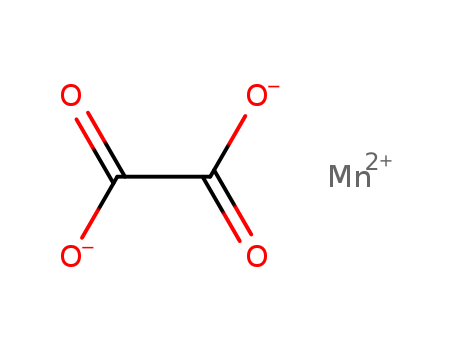
[Ethanedioato(2-)-κO1,κO2]manganese
(640-67-5)-
 oxalate 2-hydrate")
- / 99.00%
-

Industrial Grade / 99%
-

-
 oxalate")
Industrial Grade / 99%


Request for quotation , get quotes from more suppliers.
Copper, diaquadichloro-
(13933-17-0)-

Industrial Grade / 99%
-
 chloride dihydrate")
Industrial Grade / 99%
-
Chloride Dihydrate")
Different Grade / 99.9%
$0.1/KG EXW
-
 chloride dihydrate")


Request for quotation , get quotes from more suppliers.
Boron manganese oxide (B4MnO7)
(12228-91-0)-

Industrial Grade / 99%
-
,oxygen(2-)")
-

Industrial Grade / 99%
-

Different Grade / 99.9%
$0.1/KG EXW


Request for quotation , get quotes from more suppliers.
Sodium aluminum phosphate
(7785-88-8)-

- / 99.00%
-

Industrial Grade / -
-

Industrial Grade / 99.99%
-

Industrial Grade / 99%


Request for quotation , get quotes from more suppliers.
MANGANESE(II)HYPOPHOSPHITEMONOHYDRATE
(7783-16-6)-
 HYPOPHOSPHITE MONOHYDRATE")
industrial Grade / 98%
-
 HYPOPHOSPHITE MONOHYDRATE")
Industrial Grade / 99%
-
 hypophosphite monohydrate")
-
 HYPOPHOSPHITE MONOHYDRATE")

Request for quotation , get quotes from more suppliers.
-
 SELENIDE")
- / 99.00%
-
 Selenide Purity 99.99% Metal Compound Cu2Se Cas 20405-64-5 99.99% scjc")
Industrial Grade / 99.99%
-
 SELENIDE")
Industrial Grade / 99%
-
 SELENIDE")


Request for quotation , get quotes from more suppliers.
Sodium borodeuteride
(15681-89-7)-

Industrial Grade / 99%
-
")
$1-1.2/KG FOB
-

Industrial Grade / 98.0%
-
")



Request for quotation , get quotes from more suppliers.
Sulfuric acid, holmium(3+) salt (3:2)
(15622-40-9)-
 sulfate hydrate")
Industrial Grade / 99.0%
-
 SULFATE 99.99+%")
-
 sulfate hydrate")
-
 sulfate hydrate")
Industrial Grade / 99%


Request for quotation , get quotes from more suppliers.
More Information
Inorganic salts, also known as minerals, encompass both major and trace elements, constituting essential substances in human metabolism. Most often, when referring to inorganic salts, we imply pure substances, such as laboratory-grade sodium chloride. We do not label it as table salt because additional substances are often added to table salt.
The primary distinction between inorganic and organic salts lies in the nature of their anions. Much of their chemical properties are determined by these anions. For instance, inorganic salts typically exhibit strong hydrophilicity, while organic salts may display affinity towards certain nonpolar reagents.
Despite their low concentration in cells and the human body, inorganic salts play significant roles. A diversified diet, with less animal fat consumption and more consumption of coarse grains like brown rice and corn, and limited intake of refined flour, helps maintain the normal levels of inorganic salts within the body.
Common inorganic salts include:
● sodium chloride
● potassium chloride
● calcium carbonate
● magnesium sulfate
● ammonium nitrate
Frequently Asked Questions
Inorganic salts are ionic compounds composed of cations and anions, typically formed through neutralization reactions between acids and bases. They are widely used across industries such as pharmaceuticals, agriculture, food processing, and water treatment. Common examples include sodium chloride, potassium nitrate, and calcium carbonate. Their roles range from pH regulation and nutrient supplementation to acting as catalysts or stabilizers in chemical processes.
When selecting a supplier for high-purity inorganic salts, consider the following criteria:1. Certifications such as ISO, GMP, or REACH compliance.2. Consistent product quality with detailed certificates of analysis (CoA).3. Transparent sourcing and manufacturing practices.4. Technical support and responsiveness to inquiries.5. Ability to meet volume and delivery requirements reliably.Reputable suppliers often provide batch-specific testing data and adhere to strict quality control protocols.
Technical-grade inorganic salts are suitable for industrial or agricultural uses where ultra-high purity is not critical, while reagent-grade salts meet stringent purity standards required for laboratory, analytical, or pharmaceutical applications. Reagent-grade materials typically have lower levels of impurities (e.g., heavy metals, moisture) and comply with standards such as ACS (American Chemical Society) or EP/USP. Choosing the correct grade ensures performance, safety, and regulatory compliance.
Yes, certain inorganic salts are approved for use in food and pharmaceuticals when they meet specific regulatory standards. For example, sodium bicarbonate, magnesium sulfate, and calcium phosphate are commonly used as additives, excipients, or electrolyte sources. Their safety depends on purity, dosage, and compliance with guidelines from authorities like the FDA, EFSA, or pharmacopeial standards (e.g., USP-NF, Ph. Eur.). Always verify that the salt is labeled as food-grade or pharma-grade before use.
The stability and shelf life of inorganic salts depend on several factors, including:1. Hygroscopicity—some salts (e.g., calcium chloride) absorb moisture and may clump or degrade.2. Storage conditions—cool, dry, and sealed environments prevent contamination and decomposition.3. Chemical compatibility—avoid contact with incompatible substances that could trigger reactions.4. Packaging material—airtight containers made of HDPE or glass help maintain integrity.Proper handling and storage ensure consistent performance and extend usable life.