




Flavors and Fragrances
- • Synthetic Fragrances (1591)
- • Natural Spices (155)
Related News
-
Insights into the global fragrance raw material market
2020-08-06 -
The world's top ten most expensive spices list released
2020-08-05 -
Givaudan predicts: Spice prices will rise
2020-08-03 -
India's spice export data released, greatly affected by the epidemic
2020-07-21 -
Supply of more than ten kinds of natural spices is tight!
2020-07-15 -
10 top popular spices in India
2020-05-26


Natural Spices
Natural Spices
Petitgrain oil
(8014-17-3)-

Industrial Grade / 99%
-

-

-

Pharmaceutical Grade / 99%


Request for quotation , get quotes from more suppliers.
Oils, curcuma
(8024-37-1)-

- / 99.9%
-

- / 0.00%
-

- / 99.00%
-

Industrail Grade / 99%


Request for quotation , get quotes from more suppliers.
Vetiver oil
(8016-96-4)-

-

Chemical Grade / 99%
$10/G EXW
-

Food Grade / 99%
-
 - TBI")


Request for quotation , get quotes from more suppliers.
Oils, carrot
(8015-88-1)-

Food Grade / 99%
-

- / 0.00%
-

Pharmaceutical Grade / 99%
-


Request for quotation , get quotes from more suppliers.
Oils, cardamom
(8000-66-6)-

Pharmaceutical Grade / 99%
-

Food Grade / 99.9%
-

Pharmaceutical Grade / 99%
-

Industrial Grade / 98%




Request for quotation , get quotes from more suppliers.
Oils, mandarin
(8008-31-9)-

- / 99%
-

Chemical Grade / 99%
$10/G EXW
-

USP / EP / BP / JP Grade / 99.9%
-

Pharmaceutical Grade / 99%


Request for quotation , get quotes from more suppliers.
Frankincense resin
(8050-07-5)-

Industrial Grade / 99%
-

USP / EP / BP / JP Grade / 99.9%
-

-

Industrial Grade / 99%


Request for quotation , get quotes from more suppliers.
Oils, valerian
(8008-88-6)-

- / 0.00%
-

Food Grade / 0.8%
-

-

Pharmaceutical Grade / 99%
$100-130/KG FOB


Request for quotation , get quotes from more suppliers.
Fennel oil
(8006-84-6)-

Industrial Grade / 99%
-

- / 0.00%
-

Pharmaceutical Grade / 99%
-

Top Product / 0%


Request for quotation , get quotes from more suppliers.
Essential oils, sandalwood
(8006-87-9)-

Pharmaceutical Grade / 99%
-

- / 0.00%
-

Pharmaceutical Grade / 99%
-

- / 99.00%


Request for quotation , get quotes from more suppliers.
Source Natural Spices Raw Materials by Region

More Information
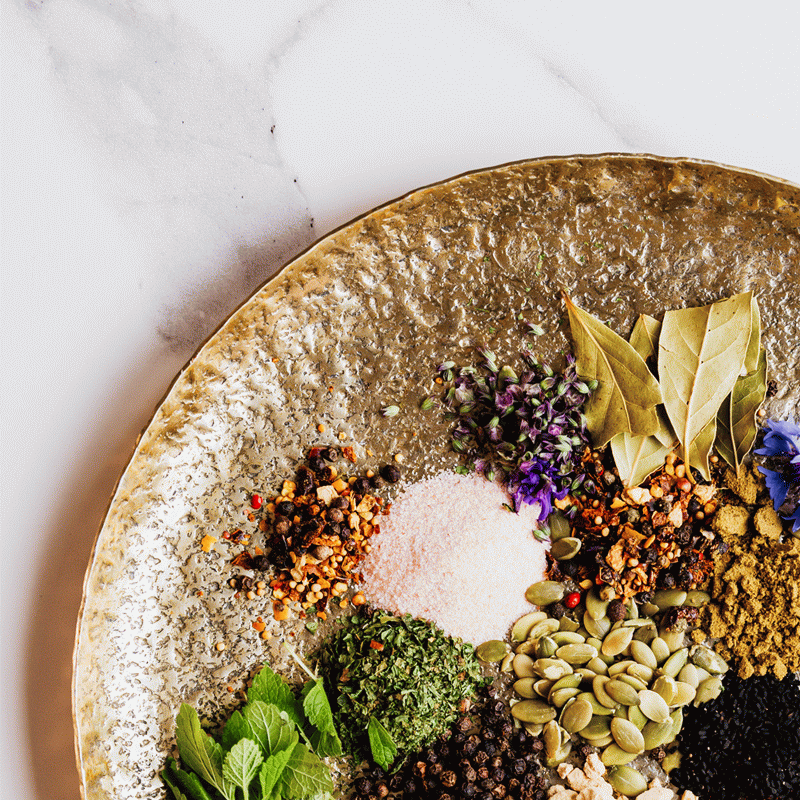
Natural spice products are famous for enhancing the meals to become extraordinary because of their high quality and unique origin. These spices are made from carefully chosen natural ingredients hence, in addition to enhancing the taste of food, they provide a healthy intake. Natural grocer's spices are known to be genuine and they help in preserving the original flavour of every spice; this makes it popular with people who consider their health. On the same note, natural food spices are highly universal and are used to enhance the flavor of different dishes and follow natural food tendencies.
This is because consumers always demand quality natural spices that are uniform in aroma, texture and taste. Apart from their use in the kitchen, they also have several other uses in industries as well as in the health sector and thus, are an essential component in most sectors.
Applications of Natural Spices:
● To add taste to sauces, soups and marinades.
● Enhancing flavor in other food products such as baked products and confectionery items.
● Added to meat and seafood seasoning blends.
● Used in herbal teas and beverages for flavor enhancement and to boost health value.
● Used in preparing cultural and ethnic spice blends.
● Used in the manufacturing of natural cosmetic and skin care treatments and products.
Frequently Asked Questions
Natural spices are aromatic substances derived directly from plants—such as seeds, bark, roots, or fruits—used to add flavor, color, or preservation properties to food. Unlike artificial flavorings, which are synthetically manufactured in labs to mimic natural tastes, natural spices retain the original phytochemical composition of their source. This makes them preferred in clean-label, organic, and health-conscious food products.
The food industry frequently uses natural spices like black pepper, turmeric, cinnamon, cumin, ginger, cloves, and paprika. These spices not only enhance flavor but also offer antioxidant, antimicrobial, and anti-inflammatory properties. Their applications range from savory snacks and meat products to baked goods and beverages, making them essential ingredients in both traditional and modern food formulations.
To ensure quality and purity when sourcing natural spices commercially, verify that suppliers comply with international food safety standards such as ISO 22000, HACCP, or FDA regulations. Request Certificates of Analysis (CoA) for each batch to confirm absence of contaminants like heavy metals, pesticides, or microbial pathogens. Additionally, opt for suppliers who provide traceability, sustainable sourcing practices, and third-party lab testing for authenticity and potency.
Yes, natural spices are highly compatible with organic and clean-label food production, provided they are certified organic and free from synthetic additives, irradiation, or chemical preservatives. Look for spices bearing recognized certifications such as USDA Organic, EU Organic, or Non-GMO Project Verified. Their plant-based origin and minimal processing align well with consumer demand for transparent, simple, and recognizable ingredients.
The shelf life of natural spices is influenced by several factors including moisture content, storage conditions (temperature, light, and humidity), packaging type, and particle size (whole vs. ground). Whole spices generally last longer—up to 3–4 years—while ground spices may retain optimal flavor for 1–2 years. To maximize freshness, store natural spices in airtight, opaque containers in a cool, dry place away from direct sunlight and heat sources.