




Active Pharmaceutical Ingredients
- • Respiratory Drugs (114)
- • Hormones and the Endocrine System (279)
- • Antipyretic Analgesics (171)
- • Antiallergic Drugs (103)
- • Antiparasitic Drugs (130)
- • Antibiotics (545)
- • Antineoplastic Agents (294)
- • Anesthetic Agents (79)
- • Urinary System Drugs (52)
- • Other Chemical Drugs (947)
- • Synthetic Anti-infective Drugs (599)
- • Nervous System Drugs (349)
- • Fluid, Electrolyte, and Acid-base Balance (48)
- • Vitamins and Minerals Medicines (106)
- • Digestive System Drugs (197)
- • Blood System Drugs (85)
- • Circulatory System Drugs (426)
- • Diagnostic Agents (58)
- • Specialty Drugs (107)
- • Drug Metabolism (23)
- • Feed Additive (22)
- • Anti-stress Drugs (1)
- • Drugs Influencing Immune Function (14)
- • Veterinary Raw Materials (24)
- • Inhibitor Drugs (81)
Related News
-
At the API China 2024 Spectacle: A Grand Recap!
2024-10-18 -
The 89th API China & The 27th CHINA-PHARM Exhibition Opened
2024-06-05 -
Overview of China's API industry in 2023
2023-02-01 -
Global Analysis of Active Pharmaceutical Ingredient (API)
2023-01-28 -
Professional and technical dry goods: a brief discussion on the selection of starting materials for chemical synthesis APIs
2022-11-18 -
In 2021, India's Ibuprofen API Export Volume and Price will Fall
2022-06-20


Nervous System Drugs Featured Products
Nervous System Drugs
Get Nervous System Drugs Raw Materials by RegionCholine chloride
(67-48-1)-
")
Pharmaceutical Grade / 99.5%
-

Pharmaceutical Grade / 99%
-

Pharmaceutical Grade / 99%
-

Pharmaceutical Grade / 99.5%


Calcium bromide
(7789-41-5)-

Pharmaceutical Grade / 99%
-

Pharmaceutical Grade / 99%
-

Pharmaceutical grade / 0.99%
-

Pharmaceutical Grade / 99%


Calcium
(7440-70-2)-

Pharmaceutical Grade / -
-

Pharmaceutical Grade / 99%
-

Industrial Grade ,Pharma Grade / 99%
-

Industrial Grade / 99%

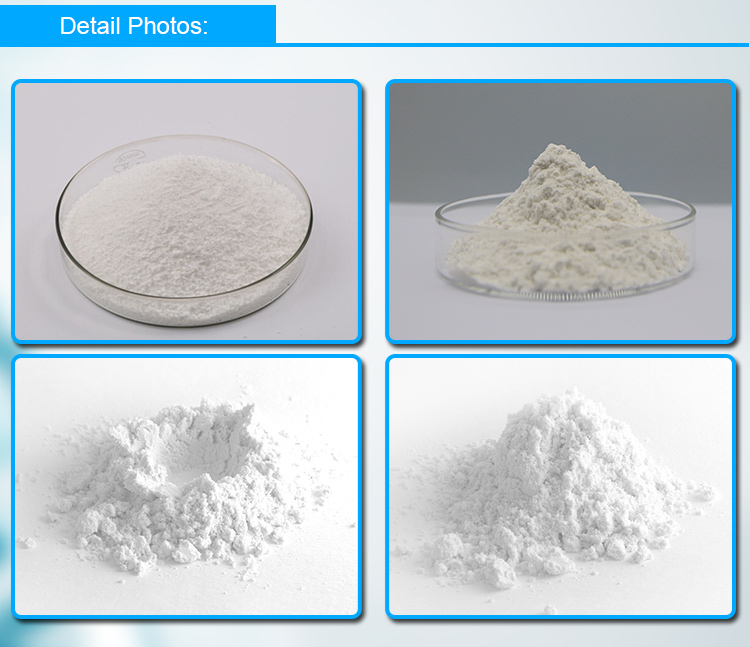


Choline
(62-49-7)-

Pharmaceutical grad / 99%
$100/KG EXW
-

Industrial Grade / 99%
-

-

Industrial Grade / 99%


Carbamazepine
(298-46-4)-

Pharmaceutical Grade / 99%
$1/MT FOB
-

Pharmaceutical Grade / 99%
-

Pharmaceutical Grade / 99%
-

Pharmaceutical Grade / 99%
$7-8/KG FOB


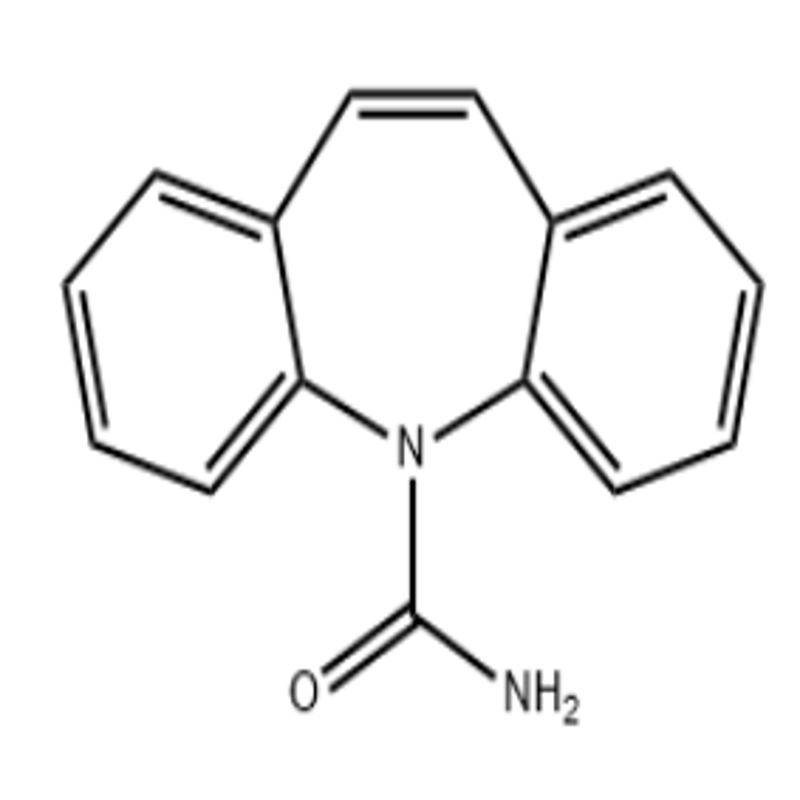
Request for quotation , get quotes from more suppliers.
Source Nervous System Drugs Products Supply
Carbon dioxide
(124-38-9)-

Industrial Grade / 99%
-

Industrial Grade / -
-

Industrial Grade, Food Grade, Agriculture Grade, Electron Grade / 99.000%
-


-

Pharmaceutical Grade / 99.5%
-

Industrial Grade / pharmaceutical grade / 99%
$1/MT EXW
-

Industrial Grade / 99%
-



Request for quotation , get quotes from more suppliers.
Citalopram hydrobromide
(59729-32-7)-

Pharmaceutical Grade / 99%
-

Pharmaceutical Grade / 99%
-

Pharmaceutical Grade / 99%
-

Pharmaceutical Grade / 98%


Request for quotation , get quotes from more suppliers.
Choline bitartrate
(87-67-2)-

Pharmaceutical Grade / 98%
-

Pharmaceutical Grade / 99%
-

Pharmaceutical Grade / 99%
-

Pharmaceutical grad / 99%
$100/KG EXW

-

Pharmaceutical Grade / 99%
-

Pharmaceutical Grade / 99%
-

Pharmaceutical Grade / 99%
-

Pharmaceutical Grade / 99%



Request for quotation , get quotes from more suppliers.
Frequently Asked Questions
Nervous System Drugs are pharmaceutical agents designed to affect the central or peripheral nervous system. They include medications for conditions such as epilepsy, depression, anxiety, Parkinson’s disease, and neuropathic pain. These drugs work by modulating neurotransmitter activity, altering nerve signal transmission, or influencing receptor function in the brain and spinal cord. Understanding their mechanism of action is essential for safe and effective therapeutic use.
Common types of Nervous System Drugs include:1. Antiepileptics (e.g., carbamazepine, valproate) for seizure control.2. Antidepressants (e.g., SSRIs, SNRIs) for mood disorders.3. Anxiolytics (e.g., benzodiazepines) for anxiety relief.4. Antipsychotics for schizophrenia and bipolar disorder.5. Analgesics for neuropathic pain, such as gabapentinoids.Each class targets specific neurological pathways and requires careful clinical evaluation before use.
To ensure quality when sourcing Active Pharmaceutical Ingredients (APIs) for Nervous System Drugs, verify that suppliers comply with Good Manufacturing Practice (GMP) standards and hold certifications from regulatory bodies like the FDA or EMA. Request comprehensive documentation including Certificate of Analysis (CoA), stability data, and impurity profiles. Partnering with experienced, audited manufacturers minimizes risks related to efficacy, safety, and regulatory compliance.
Formulating Central Nervous System (CNS)-targeted drugs requires addressing the blood-brain barrier (BBB) permeability, metabolic stability, and potential neurotoxicity. Key considerations include molecular weight, lipophilicity, and presence of efflux transporters like P-glycoprotein. Advanced delivery systems—such as nanoparticles or prodrugs—may be employed to enhance brain penetration. Rigorous preclinical testing is critical to ensure both safety and therapeutic effectiveness.
Yes, Nervous System Pharmaceuticals often face heightened regulatory scrutiny due to their impact on cognitive and behavioral functions. Regulatory agencies require extensive clinical trial data demonstrating not only efficacy but also a favorable risk-benefit profile, especially regarding dependency, withdrawal effects, and long-term neurological safety. Controlled substance classifications (e.g., under DEA schedules in the U.S.) may also apply, adding compliance complexity for manufacturers and distributors.