




Active Pharmaceutical Ingredients
- • Respiratory Drugs (114)
- • Hormones and the Endocrine System (279)
- • Antipyretic Analgesics (171)
- • Antiallergic Drugs (103)
- • Antiparasitic Drugs (130)
- • Antibiotics (545)
- • Antineoplastic Agents (294)
- • Anesthetic Agents (79)
- • Urinary System Drugs (52)
- • Other Chemical Drugs (947)
- • Synthetic Anti-infective Drugs (599)
- • Nervous System Drugs (349)
- • Fluid, Electrolyte, and Acid-base Balance (48)
- • Vitamins and Minerals Medicines (106)
- • Digestive System Drugs (197)
- • Blood System Drugs (85)
- • Circulatory System Drugs (426)
- • Diagnostic Agents (58)
- • Specialty Drugs (107)
- • Drug Metabolism (23)
- • Feed Additive (22)
- • Anti-stress Drugs (1)
- • Drugs Influencing Immune Function (14)
- • Veterinary Raw Materials (24)
- • Inhibitor Drugs (81)
Related News
-
At the API China 2024 Spectacle: A Grand Recap!
2024-10-18 -
The 89th API China & The 27th CHINA-PHARM Exhibition Opened
2024-06-05 -
Overview of China's API industry in 2023
2023-02-01 -
Global Analysis of Active Pharmaceutical Ingredient (API)
2023-01-28 -
Professional and technical dry goods: a brief discussion on the selection of starting materials for chemical synthesis APIs
2022-11-18 -
In 2021, India's Ibuprofen API Export Volume and Price will Fall
2022-06-20


Other Chemical Drugs
Sort Other Chemical Drugs Alphabetically
Other Chemical Drugs
Fenthion
(55-38-9)-

Industrial Grade / 99%
-

-

-

Industrial Grade / 99%
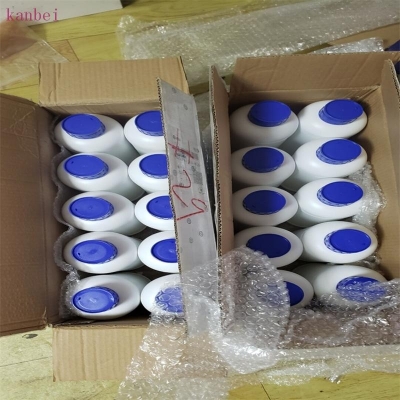


Request for quotation , get quotes from more suppliers.
-

Pharmaceutical Grade / 99%
-

Pharmaceutical Grade / 99%
-
 offered at the best market price")
Pharmaceutical Grade / 99%
-

Pharmaceutical Grade / 99%


Request for quotation , get quotes from more suppliers.
Finerenone
(1050477-31-0)-

Pharmaceutical Grade / 99%
$1/KG FOB
-

Pharmaceutical Grade / 99%
-

Pharmaceutical Grade / 99%
$8.8-10/MT FOB
-

Pharmaceutical Grade / 99%

Request for quotation , get quotes from more suppliers.
-

Pharmaceutical Grade / 99%
-

Pharmaceutical Grade / 99%
-

Pharmaceutical Grade / 99%
-

Pharmaceutical Grade / -


Request for quotation , get quotes from more suppliers.
Flupentiol
(2709-56-0)-

Industrial Grade, Feed Grade, Food Grade, Pharma Grade / 99%
-

Industrial Grade,Pharma Grade / 99%
-

Industrial Grade / pharmaceutical grade / 99%
$1/MT EXW
-


Request for quotation , get quotes from more suppliers.
Source Other Chemical Drugs Products Supply
-
-")
Industrial Grade,Pharma Grade / 99%
-
PHENOL.")
- / 99%
-
PHENOL")
Industrial Grade / 99.0%
-
Phenol")


Request for quotation , get quotes from more suppliers.
Fats and Glyceridic oils, egg
(8001-17-0)-

- / 99.00%
-

Industrial Grade / 98%
-

Industrial Grade / 99%
-

industrial Grade / 98%


Request for quotation , get quotes from more suppliers.
-

Pharmaceutical Grade / 99%
-

Industrial Grade / 99%
-
indene-1,3-dione")
-


Request for quotation , get quotes from more suppliers.
-
")
Industrial Grade / 99.0%
-
![buy azanium,2-[3-[bis(carboxylatomethyl)amino]propyl-(carboxylatomethyl)amino]acetate,iron(3+)]( "azanium,2-[3-[bis(carboxylatomethyl)amino]propyl-(carboxylatomethyl)amino]acetate,iron(3+)")
-
")
-
")
![buy azanium,2-[3-[bis(carboxylatomethyl)amino]propyl-(carboxylatomethyl)amino]acetate,iron(3+)](https://file.echemi.com/fileManage/upload/canonicalSmiles/20220812/0da3cbdcba844b31a08274c27569e797.png "azanium,2-[3-[bis(carboxylatomethyl)amino]propyl-(carboxylatomethyl)amino]acetate,iron(3+)")
Request for quotation , get quotes from more suppliers.
Flucofuron
(370-50-3)-

-

-

Industrial Grade / 99%
-
urea")


Request for quotation , get quotes from more suppliers.
Source Other Chemical Drugs Raw Materials by Region


Frequently Asked Questions
Other Chemical Drugs refer to a broad category of non-active pharmaceutical substances used in drug development, formulation, or as excipients. Unlike Active Pharmaceutical Ingredients (APIs), which produce the intended therapeutic effect, Other Chemical Drugs may include intermediates, reagents, solvents, or inactive compounds that support manufacturing processes or enhance drug stability and delivery.
Other Chemical Drugs are commonly used as synthesis intermediates, formulation additives, pH adjusters, preservatives, or solubilizing agents in drug manufacturing. They play essential roles in ensuring product consistency, shelf life, and bioavailability. These compounds are also critical in research and development for creating novel drug delivery systems and optimizing production efficiency.
To ensure quality and regulatory compliance of Other Chemical Drugs, buyers should verify that suppliers adhere to international standards such as ISO, GMP, or ICH guidelines. Request Certificates of Analysis (CoA), Safety Data Sheets (SDS), and documentation of purity testing. Additionally, confirm that the chemical is manufactured in facilities with proper environmental, health, and safety controls to minimize contamination risks.
When sourcing Other Chemical Drugs, consider the supplier’s reputation, regulatory certifications, batch-to-batch consistency, technical support capabilities, and logistics reliability. Evaluate their ability to provide scalable quantities without compromising purity or documentation. Transparent communication about raw material sourcing and synthesis methods is also crucial for risk mitigation in pharmaceutical supply chains.
Yes, while not all Other Chemical Drugs are classified as APIs, many are still regulated by agencies such as the FDA, EMA, or PMDA—especially if they impact drug safety, efficacy, or quality. Excipients and processing aids used in final dosage forms must meet pharmacopeial standards (e.g., USP, EP). Always confirm regulatory status based on intended use and regional requirements before procurement.