




Industrial Coatings
- • Film-Forming Material (21)
- • Coating Additive (115)
- • Paint Pigment & Filler (45)
- • Paint Solvent (42)
Related News
-
Why is acetone a good solvent and its uses
2022-07-27 -
Why is xylene a good solvent-Top Factors you should know
2022-03-10 -
What Is The Solvent Used In Perfume
2022-03-02 -
Solvents in coatings will only be environmentally friendly in the future
2019-09-17 -
The Cyclohexanone Price Increased Stably on Tight Supply
2017-12-13 -
Cyclohexanone Market Fluctuated Downwards This Week (Nov 17-23, 2017)
2017-11-23


Paint Solvent
Paint Solvent
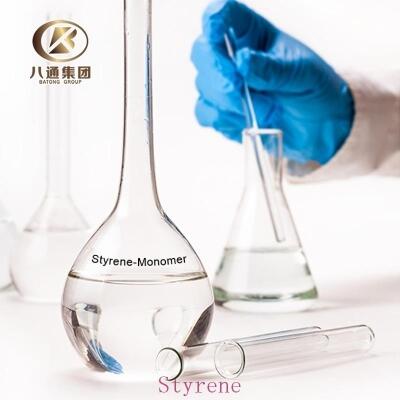
Get Paint Solvent Raw Materials by RegionStyrene
(100-42-5)-

Industrial Grade / 99.9%
-

Industrial Grade / 99.9%
-
 for Polystyrene and Resin Production")
Industrial Grade / 99%
-

Industrial Grade / 99%


Isopropanol
(67-63-0)2. Suitable for HPLC, spectrophotometry, environmental testing
-

Industrial Grade / 99.9%
-

Industrial Grade / 99.5%
-

Industrial Grade / 99%
-

Industrial Grade / 99.9%


Vinyl acetate
(108-05-4)-

Industrial Grade / 99.8%
-
 Ethylene Process with Best Price")
Industrial Grade / 99.9%
$800/MT FOB
-

Industrial Grade / 98%
-

Industrial Grade / 99%


Cyclohexanone
(108-94-1)Used as organic solvent;
Raw materials and solvents of synthet
-

Industrial Grade / 99.9%
-

Industrial Grade / 99.8%
-

Industrial Grade / 99%
-

Industrial Grade / 99.5%


o-Xylene
(95-47-6)-

Industrial Grade / 99%
$677/MT FOB
-

Industrial Grade / 99.9%
$950-1230/MT FOB
-

Industrial Grade / 99%
-

Industrial Grade / 99%


Acetone
(67-64-1)-
")
Industrial Grade / 99%

Ethyl acrylate
(140-88-5)-
 CAS 140-88-5 Stabilized with MEHQ for Polymer Synthesis, Coatings, Adhesives & Flavorings")
Industrial Grade / 99%
-

Industrial Grade / -
-
")
Industrial Grade / 99%
-

Industrial Grade / 99.5%
$2115-2749/MT FOB


1-Methoxy-2-propanol
(107-98-2)-

Industrial Grade / 99.5%
-

Industrial Grade / 99%
-

Industrial Grade / 99%
-

Industrial Grade / 99%
$1000-1200/MT FOB


-

Industrial Grade / 99%
$1-1.1/KG FOB
-

Industrial Grade / 99%
-

Industrial Grade / 99%
-

Industrial Grade / 99%


p-Xylene
(106-42-3)-

Industrial Grade / 99%
-

Industrial Grade / 98%
-

Industrial Grade / 99%
-

Industrial Grade / 99%


More Information
Paint solvents are essential in developing and using various paint products, aiding in smooth flow and fast drying. The strength of solvents, which is its ability to dissolve or thin different types of paint, is key in choosing the right one. For both water- and oil-based paints, the correct solvent prevents compatibility issues and ensures the desired results. Oil paint solvents, for example, dilute oil-based paints and improve workability.
Produced from high-quality raw materials, these solvents enhance paint adhesion, accelerate drying, and ensure consistent coating across industries. Key applications include:
● Thinning paint formulations
● Improving wettability and permeability
● Enhancing adhesion
● Reducing surface tension
● Supporting resin or pigment curing
Frequently Asked Questions
A paint solvent is a liquid substance used to dissolve or disperse paint components, making the paint easier to apply and ensuring proper film formation. Common types include mineral spirits, acetone, toluene, xylene, and alcohols. Paint solvents are essential in both oil-based and some water-based coatings to adjust viscosity, improve flow, and aid in drying. They evaporate as the paint cures, leaving behind a smooth, durable finish.
Choosing the right paint solvent depends on several factors:1. **Paint type**: Match the solvent to your paint—oil-based paints typically require mineral spirits or turpentine, while lacquers may need acetone or ketones.2. **Application method**: Spraying may require faster-evaporating solvents than brushing.3. **Environmental conditions**: Temperature and humidity affect evaporation rates; slower solvents may be better in hot climates.4. **Safety and regulations**: Consider VOC content and workplace safety guidelines.Always consult the paint manufacturer’s technical data sheet for recommended solvents.
Many paint solvents release volatile organic compounds (VOCs) that can pose health risks if used in poorly ventilated indoor spaces. Symptoms may include headaches, dizziness, or respiratory irritation. To use paint solvents safely indoors:– Ensure adequate ventilation (open windows, use fans).– Wear appropriate PPE such as gloves and respirators.– Choose low-VOC or eco-friendly alternatives when possible.– Follow all safety instructions on the product label and SDS (Safety Data Sheet).
Paint solvents are widely used across industries including automotive manufacturing, construction, aerospace, and marine coatings. Key applications include:1. Thinning industrial paints and coatings for spray application.2. Cleaning brushes, rollers, and equipment after painting.3. Formulating high-performance coatings that require precise drying times.4. Surface preparation by removing grease or old coatings before repainting.Their role in ensuring coating adhesion, finish quality, and production efficiency makes them indispensable in professional settings.
Proper storage and disposal of paint solvents are critical for safety and environmental compliance:– **Storage**: Keep in tightly sealed, labeled containers away from heat, sparks, and direct sunlight. Use approved flammable liquid cabinets if storing large quantities.– **Disposal**: Never pour solvents down drains or into soil. Used solvents are often classified as hazardous waste and must be disposed of through licensed waste handlers in accordance with local regulations.– **Recycling**: Some facilities offer solvent recovery or recycling programs to reduce waste and costs.Always refer to the product’s Safety Data Sheet (SDS) and local environmental guidelines.