




Cosmetic Ingredient
- • Abrasive (124)
- • Absorbent (84)
- • Anticaking (66)
- • Anticorrosive (25)
- • Antifoaming (19)
- • Antimicrobials (291)
- • Antioxidant Ingredient (392)
- • Antiperspirant (20)
- • Antiplaque (48)
- • Anti-seborrheic (38)
- • Anti-sebum (38)
- • Antistatic (457)
- • Astringent (162)
- • Binding Agent (171)
- • Bleaching Agent (53)
- • Buffering (190)
- • Bulking (109)
- • Chelating (122)
- • Cleansing (680)
- • Cosmetic Colorant (212)
- • Cosmetic Preservative (158)
- • Denaturant (45)
- • Deodorant (98)
- • Depilatory (27)
- • Dissolving Agent (297)
- • Emollient (795)
- • Emulsifying Agent (481)
- • Emulsion Stabilising (153)
- • Exfoliating (19)
- • Film Forming (299)
- • Flavouring (72)
- • Foam Boosting (161)
- • Foaming (101)
- • Fragrance Ingredient (732)
- • Gel Forming (19)
- • Hair Conditioning (672)
- • Hair Dyeing (363)
- • Hair Fixing (36)
- • Hair Waving or Straightening (45)
- • Humectant (281)
- • Hydrotrope (92)
- • Keratolytic (20)
- • Light Stabilizer (77)
- • Moisturising Agent (50)
- • Nail Conditioning (42)
- • Occlusive (20)
- • Opacifying (119)
- • Oral Care (123)
- • Oxidising (19)
- • Perfuming (2106)
- • Plasticiser (98)
- • Propellant (19)
- • Reducing (51)
- • Refatting (12)
- • Refreshing (27)
- • Skin Cleansing (387)
- • Skin Conditioning (1747)
- • Skin Humectant (21)
- • Skin Protecting (281)
- • Smoothing (32)
- • Soothing (72)
- • Tonics (155)
- • UV Filter (33)
- • Viscosity Controlling (530)
Chemicals as Skincare Ingredients
Related News
-
Medicare’s $50 GLP-1 Door Opens: Weight-Loss Drug Demand Just Got Bigger
2026-07-07 -
Premium Global Chemical Sourcing Requests (3-5July, 2026)
2026-07-07 -
Premium Global Chemical Sourcing Requests (25-28Jun, 2026)
2026-07-07 -
Refrigerant Prices Peak! Domestic Quotas Tighten, U.S. and U.K. Policies Add Fuel to the Fire
2026-07-07 -
China Releases 15th Five-Year Carbon-Peaking Action Plan, Pushing Coal Chemicals into a Mandatory Low-Carbon Upgrade Cycle
2026-07-16 -
Premium Global Chemical Sourcing Requests (8-10Jun, 2026)
2026-07-07


Skin Conditioning
Sort Skin Conditioning Alphabetically
Skin Conditioning
(+)-Panthenol
(81-13-0)2. D-Panthenol is an analogue of pantothenic acid (P190300), a member of the B complex vitamins. D-Panthenol is the biologically active enantiomer of Panthenol.
3. Immunosuppressant, mitoxantrone analogue less toxic on cardiac tissue antineoplastic
-

Cosmetics Grade / 98%
-

Cosmetics Grade / 99%
-

Cosmetics Grade / 99%
-

Food/Cosmetic Grade / 99%


Request for quotation , get quotes from more suppliers.
Soybean oil
(8001-22-7)-

Cosmetics Grade / 99%
-

-

Industrial Grade / 99%
$1-1.1/MT FOB
-

- / 99.00%



Request for quotation , get quotes from more suppliers.
Chlorogenic acid
(327-97-9)-

Cosmetics Grade / 98%
-

Food Grade / 99%
-

-

- / 98.00%


Request for quotation , get quotes from more suppliers.
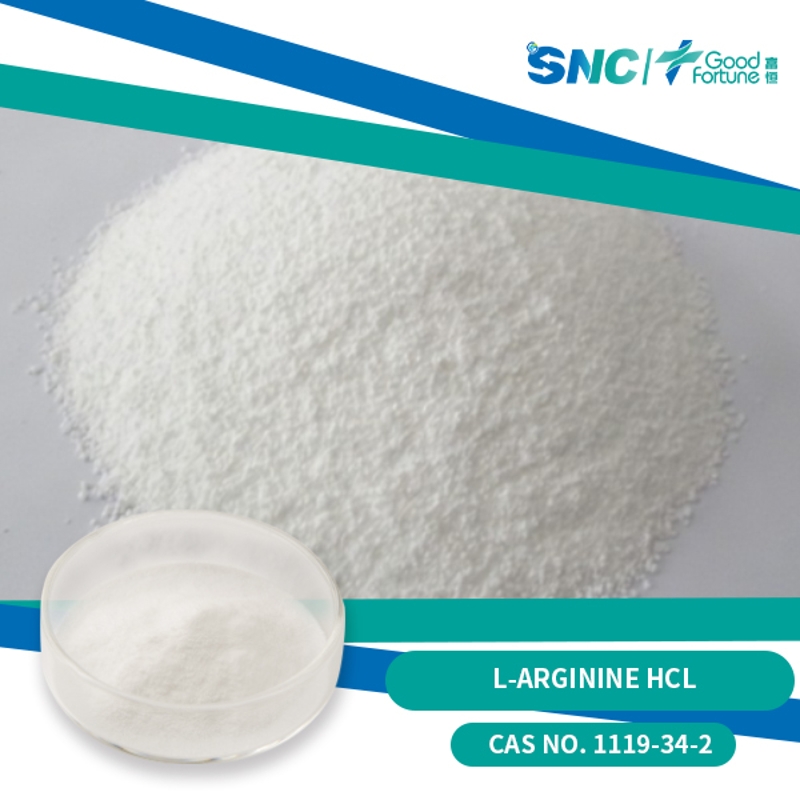
L-Arginine, monohydrochloride
(1119-34-2)-

Food Grade / 99%
-

Food Grade / 99.9%
-

Pharmaceutical Grade / 99%
-

- / 0.00%


Request for quotation , get quotes from more suppliers.
Tranexamic acid
(1197-18-8)-

Cosmetics Grade / 99%
-

Cosmetics Grade / 98%
-

Cosmetic grade / 99%
-

Cosmetics Grade / 99%


Tea extract
(84650-60-2)-

Cosmetics Grade / 99%
-

Cosmetic Grade / 95%
$110/KG EXW
-

Food Grade / 98%
-

Food Grade / 99%


Request for quotation , get quotes from more suppliers.
-

Cosmetics Grade / 99%
-

Cosmetics Grade / 9%
-

Cosmetics Grade / 99%
-

Cosmetic Grade / 0.95%
$280/KG EXW



Sodium hyaluronate
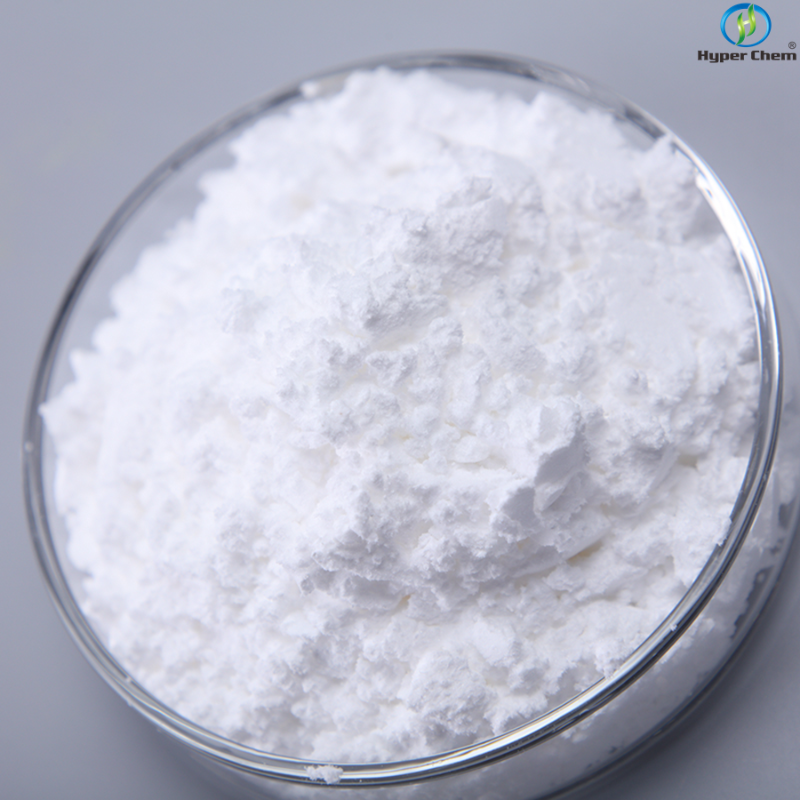
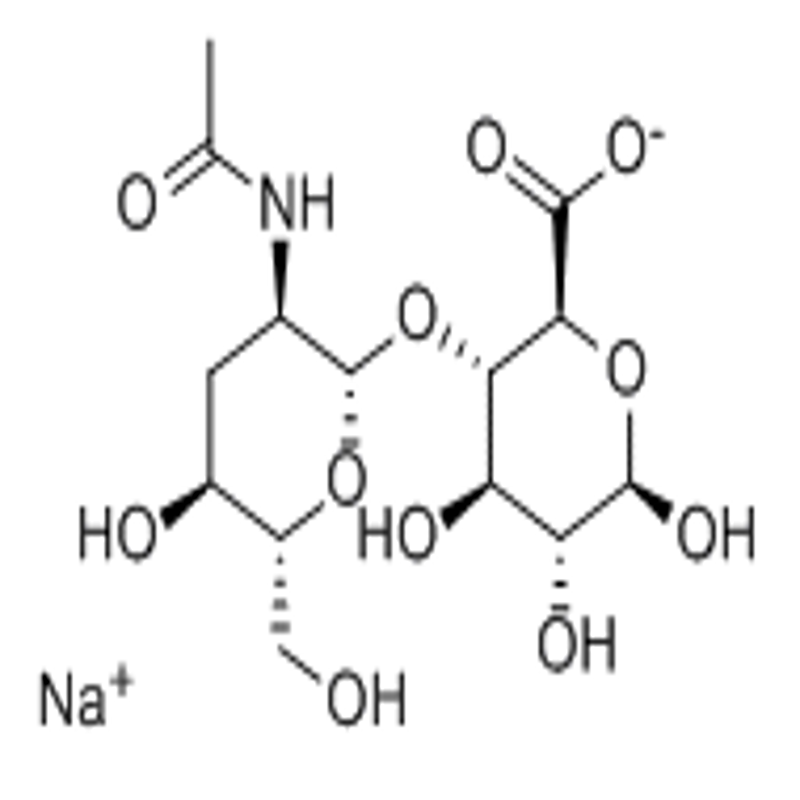
(9067-32-7)2.Widely used in high-end cosmetics industry, used in dry eye syndrome. sodium hyaluronate is used as a humectant to increase moisture in the skin, it may also serve as an emulsifier. Sodium hyaluronate is capable of binding 1,800 times its own weight in water. It is the sodium salt of hyaluronic acid and is the most commonly used form. Sodium Hyaluronic is is an anionic, nonsulfated glycosaminoglycan distributed widely throughout connective, epithelial, and neu
-

cosmetic grade / 99%
-

Food Grade/ Cosmetic Grade/Injection Grade / 99%
-

Cosmetics Grade / 99%
$10-13/G FOB
-

Cosmetics Grade / 99%
$199-210/KG FOB

-

Industrial Grade / 99.5%
-

- / 0.00%
-

Food Grade / 99.9%
-

- / 99%


Request for quotation , get quotes from more suppliers.
Thiamine hydrochloride
(67-03-8)-

-

- / 0.00%
-

- / 99.00%
-
/vitaminb(sub1)nitrate 67-03-8 Pharmaceutical Powder")
Food grade / 99%


More Information
Skin conditioning are the collective name for ingredients in cosmetics that have effects on the skin, such as whitening, moisturizing, anti-aging, and acne removal. In jargon, they are also called active ingredients in cosmetics. These agents work by replenishing the skin's natural lipid barrier and enhancing its ability to retain moisture, resulting in softer, smoother, and more supple skin.
When skin conditioning agents are applied to the skin, they form a protective layer that helps to seal in moisture and prevent water loss. This barrier also helps to shield the skin from environmental aggressors such as harsh weather conditions and pollutants, promoting overall skin health and resilience.
Common Skin Conditioning
•Whitening agents: reduce melanin deposits and lighten discoloration
•Antibacterial agents: prevent or reduce skin bacterial infections
•Anti-allergic agents: reduce allergic reactions to irritants
Frequently Asked Questions
Skin conditioning refers to the use of ingredients or formulations that help maintain or improve the skin’s natural barrier, hydration, and overall health. It is essential for preventing dryness, irritation, and premature aging. Effective skin conditioning supports smoother texture, enhanced elasticity, and better resilience against environmental stressors.
Common skin conditioning ingredients include hyaluronic acid, glycerin, ceramides, squalane, panthenol (pro-vitamin B5), and various plant oils like jojoba or argan oil. These components work by attracting moisture, reinforcing the lipid barrier, or soothing inflammation. Choosing products with well-researched conditioning agents can significantly enhance skincare efficacy.
To select the right skin conditioning product, first identify your skin type—dry, oily, combination, sensitive, or normal. For dry skin, look for rich emollients like shea butter or ceramides. Oily or acne-prone skin benefits from lightweight, non-comedogenic humectants such as hyaluronic acid. Sensitive skin requires fragrance-free formulas with calming agents like panthenol or allantoin. Always patch-test new products to ensure compatibility.
Yes, skin conditioning ingredients are often recommended alongside potent actives like retinoids, AHAs, or BHAs to mitigate irritation and support barrier repair. For example, applying a hydrating serum with glycerin or using a moisturizer containing ceramides after exfoliation can reduce redness and flaking. Layering conditioning agents helps maintain skin tolerance during active treatment regimens.
Both natural and synthetic skin conditioning agents can be highly effective, depending on formulation and individual skin needs. Natural oils (e.g., squalane from olives) offer biocompatibility, while synthetics like dimethicone provide occlusive protection without clogging pores. Scientifically validated efficacy, purity, and stability matter more than origin. Reputable brands prioritize safety-tested ingredients regardless of source.