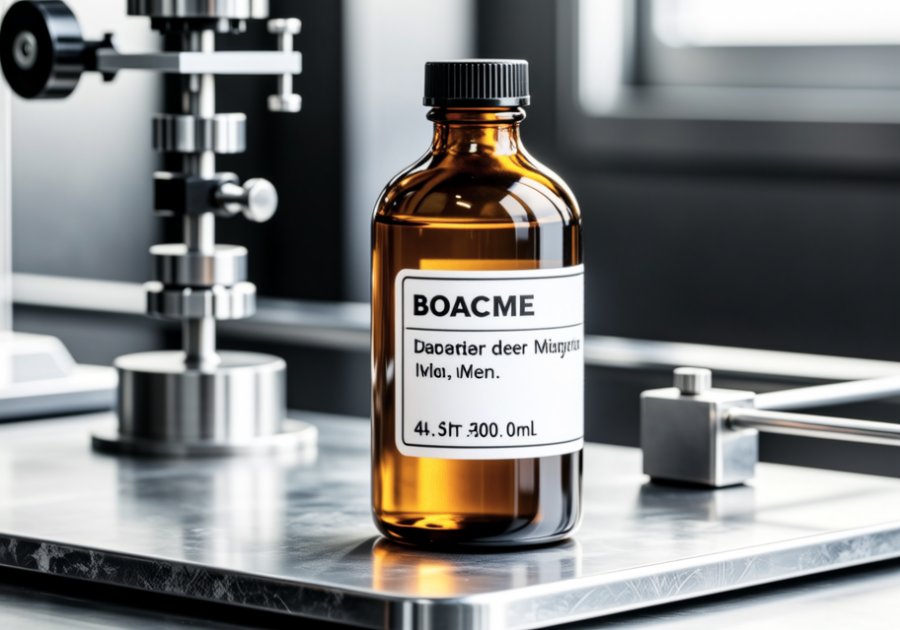
How would you prepare ethyl acetate and precautions to take
How would you prepare ethyl acetate can be done in a variety of ways. This is the process of the synthesis of acetone using ethyl alcohol and sodium carbonate. The hydration of sodium carbonate with water produces sodium bicarbonate and hydrogen gas. Acetone is isolated as a byproduct. The use of ethyl acetate to make products like polyethylene terephthalates is not recommended, because it causes respiratory distress in workers and can cause cancer if mismanaged at high temperatures. Ethyl acetate is also highly flammable and its gaseous state is explosive, so it must be handled with care when used in chemical synthesis or it could result in an explosion or fire. To prepare ethyl acetate you can use the following methods;
1: Distillation Method
This method can be considered as one of the best, as it is environmentally friendly and a relatively inexpensive process. Ethyl acetate can be distilled by redistilling a mixture of ethanol and water, followed by condensation of water vapor with sodium acetate solution. The last step is further purification with an activated carbon bed to remove impurities. It is not an easy process to perform, as many factors must be monitored, like the temperature and composition of the mixture. It is also more expensive than the other methods, because it requires the use of spotless equipment.
2: Oxidation Method
In this method you can use either pure ethanol or ethanol-water mixtures with varying proportions of each. The mixture is hydrogenated and then refluxed with sodium hypochlorite in order to catalyze a reaction that oxidizes ethanol into acetaldehyde. Acetic acid is produced by acidification of this mixture and then it gets oxidized again with oxygen gas to produce ethyl acetate. There are many advantages to using this method. One is the availability of ethanol and its relatively low cost. It also produces a manageable amount of ethyl acetate, which can be used for many different purposes.
3: Fermentation Method
In this method, yeast is used to produce ethyl alcohol and ethyl acetate as byproducts. An advantage of using yeast in this process is that it offers a large number of fermentation options and it saves money, as a single batch can result in higher yields than other methods. Yeast has the ability to convert sugars into alcohol and carbon dioxide. However, it doesn't really produce ethyl acetate as a byproduct. The amount of ethyl acetate depends on the type of yeast used as well as the type and amount of sugar added and other culture conditions. This shows how would you prepare ethyl acetate.
Precautions to take
1. Always wear safety glasses or goggles when handling or working with ethyl acetate.
The substance is extremely flammable and can cause burns on the skin and the eyes. The product has the potential to turn into an explosive gas at the higher ranges of temperature and pressure. It is flammable and can catch fire easily, so care must be taken when storing it.
2. Use the right tools when working with ethyl acetate.
Always use the appropriate safety equipment and tools, such as a fume hood and ventilation to avoid exposure to the toxic fumes.
3. Use the right containers when storing ethyl acetate.
Store it in a well-ventilated place to keep it from getting contaminated and over time, it can become dangerous for health if not handled properly. The substance is irritant and harmful for health, so avoid storing it near or around food products or liquids that might be affected by its effects on human beings.
4. Make sure you have the right equipment when transporting ethyl acetate.
The substance should be packed in rigid containers that are compatible with the chemical and also properly labeled for safe transport to avoid accidents and improper use of ethyl acetate.
5. Handle ethyl acetate with care when using it for chemical reactions or synthesis, as it is a highly flammable compound. When transporting it to other laboratories or places where it's used, ensure that containers are properly labeled to avoid mislabeling or contamination by other chemicals which would result in an explosion.
6. Report any accidents involving the substance to your supervisor immediately.
Abide by all safety precautions, wear protective equipment and use only officially-approved chemicals for laboratory purposes, as per the instructions of your professor. Work in a well-ventilated room when synthesizing or using ethyl acetate. Always keep a fire extinguisher nearby during experiments to be prepared in case things go wrong.
In conclusion, how would you prepare ethyl acetate, you can use the distillation method, oxidation method, fermentation method, or any other methods as an alternative to produce ethyl acetate. There are many tips and tricks to make the process easier if you're not skilled in chemistry, so you may do better than most with these methods.
Looking for chemical products? Let suppliers reach out to you!
You May Interested In


Glow70/KLOW80 99% China Peptides Warehouse Direct Delivery Lyophilized Powder in Stock
$169/UNIT FOB


2026-10-14
Trade Alert
Delivering the latest product trends and industry news straight to your inbox.
(We'll never share your email address with a third-party.)

Related News
-
DongWu plans to build an 25,000 t/a Thiamethoxam and Clothianidin intermediates project
-
How Would You Prepare Ethyl Acetate Two Ways?
-
How Would You Prepare Ethyl Acetate Two Ways?
-
What are ethyl triphenyl phosphonium bromide applications? Learn more
-
How does ethyl ethanoate industrial production take place.
-
Understanding the Arsenate Symbol and Its Uses
-
Zoledronic Acid: Uses, Mechanism, and Side Effects
-
Anastrozole Side Effects: What You Need to Know
-
Why You Should Never Mix Bleach and Vinegar
-
Benzoylecgonine: Detection and Testing Methods
Recommend Reading
-
![What Color Should a Zinc-Copper Couple Be?]()
What Color Should a Zinc-Copper Couple Be?
-
![Business Society’s Market Outlook for Methanol on August 27, 2026: Clearly Downward]()
Business Society’s Market Outlook for Methanol on August 27, 2026: Clearly Downward
-
![Cost Increase, DOP Prices Soar]()
Cost Increase, DOP Prices Soar
-
![Lacking Positive Support, Cyclohexane Mainly Remains Stable]()
Lacking Positive Support, Cyclohexane Mainly Remains Stable
-
![Business Society’s Market Outlook for Methanol on August 28, 2026: Weak and Volatile]()
Business Society’s Market Outlook for Methanol on August 28, 2026: Weak and Volatile
-
![Positive Factors Combine to Drive a Rebound in PTA Prices]()
Positive Factors Combine to Drive a Rebound in PTA Prices