What are ethyl triphenyl phosphonium bromide applications? Learn more
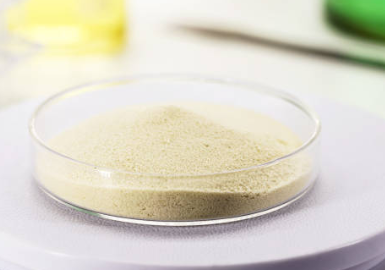
What are ethyl triphenyl phosphonium bromide applications? Ethyl triphenyl phosphonium bromide is a white powder substance with many applications in manufacturing and cosmetics. This compound is often used in toothpaste, shampoos, bath salts, and toiletry items such as toothpaste, facial cleansers, and shower gels. The compound is also used for commercial purposes, including but not limited to cleaning up oil spills on water surfaces. Ethyl triphenyl phosphonium bromide is a white powder widely considered hazardous regarding its toxicity. The compound can quickly become airborne during the making of toothpaste, shampoos, and other cosmetics due to the high air concentrations of the products. Concerning its application, the compound reacts violently when wet, making it necessary to handle it with great care so that there are no purposes of human ingestion.
Uses of Ethyl triphenyl phosphonium bromide
Below are the following applications for ethyl triphenyl phosphonium bromide:
1. Toothpaste
The first ethyl triphenyl phosphonium bromide is used in toothpaste. The compound, which is a whitish powder, is often used in toothpaste for whitening and cleaning teeth. When used in toothpaste, it will make the teeth appear whiter by coating them with a white film that spreads onto the surface of the teeth after being applied. This product can also be made into various shampoos and facial cleansers.
2. Sunscreen
Ethyl triphenyl phosphonium bromide applications are mainly found in cosmetic products such as sunscreens. The compound, when present in cosmetics such as sunscreens, is used to make the skin lighter after it absorbs through the skin by forming black crystals onto it. This compound is also seen in other cosmetic products such as mouthwash, shampoos, and face creams.
3. Clean up oil spills on water surfaces
Ethyl triphenyl phosphonium bromide applications are often seen in the cleanup of oil spills on water surfaces. Before cleaning up any oil spill, it is essential to neutralize the explosive substances. These include ethyl triphenyl phosphonium bromide. When soaked in water, the black crystals formed after the mixture of oil and water would explode immediately when exposed to heat or fire.
4. As a pesticide
Ethyl triphenyl phosphonium bromide is also used as a pesticide and is stored in large amounts where it is commonly exposed to the air. The compound is often used for the purpose of controlling the mosquitoes. This, however, does not work because there are other kinds of chemical pesticides that are readily available at low cost that could effectively control these insects.
5. Clean up of water surfaces
Ethyl triphenyl phosphonium bromide applications are also used in the cleaning of water surface pollution. The compound, when added to water, would cause immediate explosions when exposed to heat sources such as fire, which could destroy not only the life-forms in the water but also those found close to it such as oil platforms and other structures made of oil. This is considered hazardous for humans because accidental explosions may occur near where people live or work on a daily basis.
6. As an ingredient for rubber
Ethyl triphenyl phosphonium bromide is also used in the rubber manufacture for lubricity and as a coolant in the making of rubber. This application is mainly used in tire repair shops and also in case of emergencies when people are lost at sea.
7. As a home smoke detector
Ethyl triphenyl phosphonium bromide is also often used as a home smoke detector. After being exposed to heat, the compound will form black crystals that can detect the burning of any material that could cause a fire, such as paper, cloth sheets, and other materials found nearby their source, thus alerting people safely.
8. As a preservative in medicinal products and petroleum products
Ethyl triphenyl phosphonium bromide applications are also seen in the preservation of many medicinal products to prevent them from going bad before being sold to the market. Although this use does not increase its toxicity, it does increase its volume and therefore requires handling with care so that there are no human exposures.
Conclusion
Ethyl triphenyl phosphonium bromide is used for a wide variety of applications, leading to its mass production by many companies. This compound, widely seen in toothpaste, shampoos and other cosmetic products, can get easily airborne once it is produced and packaged into containers.
Looking for chemical products? Let suppliers reach out to you!
You May Interested In


SS-31 Cosmetic peptides, discounted price improving cognitive impairment factory supply
$8E+1/UNIT FOB


2026-09-20
Trade Alert
Delivering the latest product trends and industry news straight to your inbox.
(We'll never share your email address with a third-party.)

Related News
-
Key Properties and Applications of Para-Nitrophenol
-
DongWu plans to build an 25,000 t/a Thiamethoxam and Clothianidin intermediates project
-
How Would You Prepare Ethyl Acetate Two Ways?
-
How would you prepare ethyl acetate and precautions to take
-
How does ethyl ethanoate industrial production take place.
-
Applications of Stevia Extract Natural Raw Materials
-
Application fields of lutein
-
Powder coatings are used in many industries!
-
Isobutyl: Properties, Uses, and Industrial Applications
-
Iohexol: Properties, Uses, and Safety
Recommend Reading
-
![Sodium Benzoate (E211): Safety, Benzene Risk, and Preservative Uses]()
Sodium Benzoate (E211): Safety, Benzene Risk, and Preservative Uses
-
![Sulfur Hexafluoride (SF6): Applications and Safety]()
Sulfur Hexafluoride (SF6): Applications and Safety
-
![Magnesium Chloride (MgCl₂): Properties, Uses, and Applications]()
Magnesium Chloride (MgCl₂): Properties, Uses, and Applications
-
![Sodium Alginate: Properties, Uses, and Benefits]()
Sodium Alginate: Properties, Uses, and Benefits
-
![Flavin Adenine Dinucleotide (FAD): Functions and Applications]()
Flavin Adenine Dinucleotide (FAD): Functions and Applications
-
![Both Supply and Demand Weak & Inventory Pressures Keep PVC Market Volatile and Tend to Be Weak]()
Both Supply and Demand Weak & Inventory Pressures Keep PVC Market Volatile and Tend to Be Weak
-
![This week, the 180CST fuel oil market in China fluctuated and rose]()
This week, the 180CST fuel oil market in China fluctuated and rose
-
![Caustic Soda Prices Weak This Week (Nov. 24–Nov. 27)]()
Caustic Soda Prices Weak This Week (Nov. 24–Nov. 27)
-
![In April, the Chinese marine fuel market saw a significant decline]()
In April, the Chinese marine fuel market saw a significant decline
-
![Narrow Increase in Lithium Carbonate Prices During Peak Demand Season for Stockpiling]()
Narrow Increase in Lithium Carbonate Prices During Peak Demand Season for Stockpiling