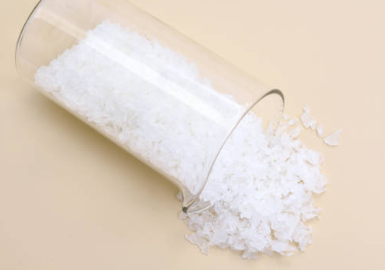
The EU evaluates the safety of phospholipase A2 produced by the transgenic Streptomyces viasura strain AS-10
On February 1, 2023, the European Food Safety Authority issued an opinion on the safety evaluation of a food enzyme phospholipase A2.

You May Interested In


High Quality β-Nicotinamide adenine dinucleotide CAS 53-84-9 NADwith ready stock and best price
$3/UNIT FOB


2026-10-08
Trade Alert
Delivering the latest product trends and industry news straight to your inbox.
(We'll never share your email address with a third-party.)

Related News
-
From Coffee Waste to Superfood Additive: EU Declares Pectin-Rich Arabica Extract Safe for Food Use
-
Saudi Aramco Weighs Discounts of Up to $9/Barrel on Oman STS Crude as Freight Costs Surge
-
Australia Approves Lab-Grown “Milk Sugar” for Babies—A Breakthrough in Infant Nutrition
-
Honeywell Acquires Johnson Matthey Catalyst Business at a Discount, Cutting £475 Million from the Price
-
BASF's Zhanjiang Integrated Site Reaches Major Milestone: Butyl Acrylate Production Commences Ahead of Schedule, Steam Cracker Completes Mechanical Completion
-
Geno and Sojitz Collaborate to Accelerate the Commercialization of Nylon 6
-
Europe Faces 510,000-BPD Q4 Jet Fuel Deficit as ARA Stocks Hit Seven-Year Low
-
Crude Oil Tops $100, Asian Propylene Plants Undergo Concentrated Maintenance
-
Steel in the Hourglass: Germany’s “Protect-Steel” Proposal and the Green Calculation Behind It
-
What Can $3.4 Billion Buy? Shin-Etsu Chemical’s Answer: Upstream Control of PVC
Recommend Reading
-
![India Launches Concentrated Anti-Dumping Actions Against Eight Categories of Chinese Chemicals, Covering APIs/Intermediates, Polyurethanes, and Refrigerants]()
India Launches Concentrated Anti-Dumping Actions Against Eight Categories of Chinese Chemicals, Covering APIs/Intermediates, Polyurethanes, and Refrigerants
-
![Iran Closes Strait of Hormuz to All Vessels: Global Chemical Trade Gets Choked]()
Iran Closes Strait of Hormuz to All Vessels: Global Chemical Trade Gets Choked
-
![Saudi Aramco Suspends Next-Month Crude Supply to Some European Refineries]()
Saudi Aramco Suspends Next-Month Crude Supply to Some European Refineries
-
![Drone Strike Hits Moscow Oil Refinery, Sparking Fire at Key Fuel Facility]()
Drone Strike Hits Moscow Oil Refinery, Sparking Fire at Key Fuel Facility
-
![Iran's Only MDI/TDI Plant Attacked, Middle East Supply Nearly Zero, Global Gap Widens]()
Iran's Only MDI/TDI Plant Attacked, Middle East Supply Nearly Zero, Global Gap Widens
-
![Polyvinyl Alcohol (PVA): Properties, Uses, and Industrial Applications]()
Polyvinyl Alcohol (PVA): Properties, Uses, and Industrial Applications
-
![Field Low Prices Decrease, Acrylic Acid Market Remains Firm]()
Field Low Prices Decrease, Acrylic Acid Market Remains Firm
-
![Post-holiday, China's propylene oxide prices slightly increase]()
Post-holiday, China's propylene oxide prices slightly increase
-
![Maleic Anhydride Continues to Decline in September, But May See an Upward Trend in October]()
Maleic Anhydride Continues to Decline in September, But May See an Upward Trend in October
-
![Expected Minor Fluctuations in Lithium Carbonate Prices in October]()
Expected Minor Fluctuations in Lithium Carbonate Prices in October