




What are the future development directions of food additives?
Food Additives refer to chemically synthesized or natural substances added to food in order to improve the quality, color, aroma, taste and needs of anti-corrosion, freshness and processing technology. The addition amount of chemical or natural substances is generally less than 0.1%. According to statistics, there are more than 25,000 kinds of food additives in the world, among which 600-1000 are common.
Chinese food culture has a long history, and the application of Food Additives is ancient. The brine tofu that appeared in the Western Han Dynasty has a history of more than 2,000 years. The brine is a food additive (the main active ingredient is magnesium chloride), which can aggregate the dispersed protein aggregates and finally make tofu. The history of sodium nitrite used in the production of bacon can be traced back to the Southern Song Dynasty, which has a history of 800 years. Until today, sodium nitrite is still an important color protectant in modern meat processing. The formula ratio of "one alum, two alkalis and three salts", also derived from the Southern Song Dynasty, was applied to dough sticks to obtain a fluffy and tough mouthfeel.
In today's highly developed industrialization, the scale and product quality of the food industry continue to improve, and the demands of the industrial chain promote the rapid development of the food additive industry. In terms of production technology, food additives can be divided into natural food additives (purified by using metabolites of animals, plants and microorganisms as raw materials) and synthetic food additives (designed and manufactured through chemical processes). The variety of natural food additives is small, the output efficiency of the existing process is poor, and the use of the product in the industry is more complicated, so it is not a mainstream choice in the food industry. The artificial synthetic food additives have high purity, mature technology and high production efficiency. They can usually be used directly with a small amount, and they are widely used in the food industry.
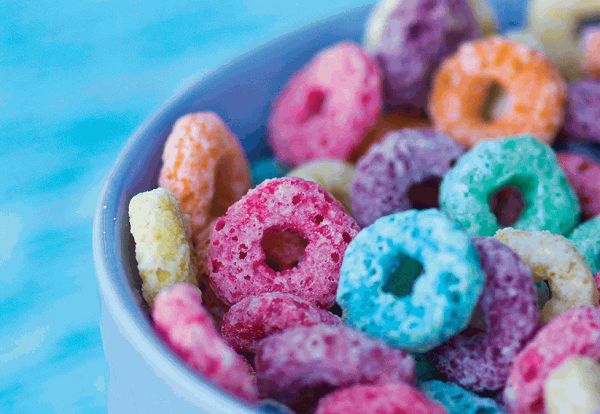
According to the classification of China Food Additives and Ingredients Association, food additives can be divided into 20 kinds of acidity regulators, anticaking agents, Antioxidants, leavening agents, coloring agents, color retention agents, flavor enhancers, preservatives, sweeteners, etc. , There are more than 2,000 product categories. In accordance with the Food Safety Law and the Standards for the Use of Food Additives (GB 2760-2014), the state implements a licensing system for the production of food additives. Food additives should be technically necessary and safe and reliable through risk assessment before they can be included in the permitted scope of use.
Expansion of the global market, concentration of production and consumption in North America and Asia Pacific
In 2019, the global food additives market size was approximately US$40.6 billion, with a compound annual growth rate of approximately 3.4% from 2016 to 2019. In the global food additives market, the largest segment is flavors and enhancers, which together account for about 33% of the market share. From the perspective of the growth of sub-sectors, food enzymes and emulsifiers have the highest growth rates, with an average annual compound growth rate of 8.1% and 5.4% respectively from 2016 to 2019.
The main production and consumption regions of global food additives are North America and Asia Pacific. As a mature market, Europe has poor population density and poor growth in the food industry. At the same time, it has multiple regulatory agencies that strictly supervise the use of food additives. Therefore, the global market share is relatively low, and the share is expected to continue to decline in the future. In addition to the large demand for baked goods in North America, the demand for candies, chocolate and other confectionery products has also continued to grow in recent years. The development of the confectionery industry will promote the growth of demand for emulsifiers, colorants and sweeteners in North America. In the Asia-Pacific region, especially China, Japan, India, and Indonesia, local local companies have a higher market share than global food additive manufacturers. Therefore, global leading companies tend to cooperate with local local companies in the Asia-Pacific region and acquire mergers and acquisitions, thereby enhancing regional brand influence.
The global food additives market is dominated by companies such as Cargill, BASF, ADM (ArcherDaniels Midland Company), Ajinomoto and Eastman.
China's food additives market is sluggish, and high-end products are insufficiently self-sufficient
After the reform and opening up, China's food additive industry first developed in the southeast coastal cities, and production enterprises were mainly concentrated in Guangdong, Shanghai, Zhejiang, Jiangsu, Shandong and other places. In recent years, the central and western regions have also given full play to regional resource advantages, and a number of emerging food additive manufacturers have been born. With the continuous improvement of food safety-related laws and regulations, the management of the food additive industry has become increasingly standardized, and the industry concentration has further increased. According to statistics, the industry currently has more than 3,000 food additive manufacturers that have obtained licenses. From the perspective of the number of enterprises, there has been a certain degree of decline in the past five years, especially some small enterprises withdraw from the industry due to factors such as cost and competitiveness.
The sales scale of China's food additives in 2019 is about 110 billion yuan, but the growth has been weak in recent years. On the one hand, in recent years, with the rise and upgrade of the consumption power of the middle class and the new generation, food consumption has been transformed from subsistence consumption to enjoyment consumption. Quality and health have become the future development trend of the food industry. This trend is in the minds of consumers. The food additive industry, which conflicts with the concept of food safety, presents new challenges. On the other hand, since 2017, my country has successively issued relevant policies and plans for the food industry, helping to purify and standardize the existing market environment, and at the same time promote the decline in the scale and efficiency of my country's food additive companies.
China is a major producer of food additives, as well as a major trading country. However, the export of food additives is mostly low-end products, with fewer high-end and new products. Compared with leading international companies, there is still a gap in the types and quality of food additives in my country, which are mainly reflected in:
1. The production technology is relatively backward, and high-end products still need to be imported in large quantities;
2. Product research and development capabilities are relatively weak, and the number of competitive new products is small.
With the improvement of domestic consumers' food safety awareness, the structure of my country's food additives market will further move closer to developed countries.
Companies should strengthen product research and development to seize the market for natural and functional additives
The popularity of natural food additives is increasing year by year
Food safety incidents caused by illegal use of non-food additives (Sudan Red, melamine, etc.) have occurred frequently, and consumers have a skeptical and repulsive attitude towards “additives”. The change in the concept of end consumers has made food manufacturers more cautious in the selection and dosage of additives, and the safety requirements of additives have also been increasing. With the continuous improvement of people's awareness of nutrition and health, the awareness of food safety has gradually increased, and consumers are more favoring natural raw materials and natural food additives obtained through processing of natural raw materials. Even if it is a synthetic additive, safety and non-toxicity is the main direction of future product development.
Functional food additives develop rapidly
Functional foods refer to foods with certain health-care functions, and additives such as oligosaccharides, sugar alcohols, phospholipids, and anti-radical substances are commonly used. With the gradual improvement of consumers' health awareness, Chinese consumers' demand for functional foods is growing rapidly. Functional food additives can not only strengthen the taste, appearance, and taste of the product, but also strengthen the nutritional ingredients in the product. With the rapid development of the functional food market today, the demand for related food additives is also growing rapidly.
Companies with strong product development capabilities have more advantages
Some of China’s bulk food additives have overcapacity, and high-end products rely heavily on imports. Companies with differentiated and high-end products generally operate better than those that only produce traditional products. Therefore, research and development capabilities determine the competitiveness and development prospects of enterprises in the market to a considerable extent. The industry has more than 20 companies that have established post-doctoral workstations or national and provincial R&D (technology) centers or testing centers, including DuPont, Angel Yeast, Fufeng, Shandong Baolingbao, Shandong Longli, Aipu, Chenguang, Henan Zhongda Hengyuan, etc. Improving the R&D capabilities of an enterprise is an important strategy for an enterprise to maintain its long-term competitiveness.

You May Interested In


2026-09-20
Trade Alert
Delivering the latest product trends and industry news straight to your inbox.
(We'll never share your email address with a third-party.)

Related News
-
Introduction To Bio-Based Applications In The Coatings Industry And Trends
-
Application Trend and Development of Nano Coatings
-
Global Countries Impose Tariffs on Chinese Chemical Products
-
DIC Raises Epoxy Resin and Curing Agent Prices by Up to 280 Yen/kg
-
Lubei Chemical Expects First-Quarter Net Profit to Rise 57.29% as Cost Control Delivers Clear Results
-
Ten Ministries Jointly Issue Notice as Five Chemicals Are Officially Added to the Hazardous Chemicals Catalogue
-
Kemira Acquires AquaBlue
-
EU Officially Approves Rapeseed Oil as a Low-Risk Active Substance Until 2040
-
EFSA Unable to Confirm Safety of Fusarium flavolapis Fungal Protein as a Novel Food
-
EFSA Confirms Safety of β-Amylase Produced from Barley for Food Manufacturing Use
Recommend Reading
-
![EFSA Evaluates Extended Use of Pasteurised Akkermansia muciniphila as a Novel Food]()
EFSA Evaluates Extended Use of Pasteurised Akkermansia muciniphila as a Novel Food
-
![Arkema's New Singapore Plant Commences Operations, Tripling Polyamide Capacity]()
Arkema's New Singapore Plant Commences Operations, Tripling Polyamide Capacity
-
![Brazil Confirms 32 Methanol Poisoning Cases Linked to Contaminated Alcoholic Beverages]()
Brazil Confirms 32 Methanol Poisoning Cases Linked to Contaminated Alcoholic Beverages
-
![India Accuses Balaji Amines of Manufacturing Pharma-Grade Propylene Glycol Without Drug Manufacturing Licence]()
India Accuses Balaji Amines of Manufacturing Pharma-Grade Propylene Glycol Without Drug Manufacturing Licence
-
![J&J to Spin Off Orthopedics Business, Raises 2025 Forecast]()
J&J to Spin Off Orthopedics Business, Raises 2025 Forecast
-
![Business Society’s Acrylonitrile Trend Analysis for September 14, 2026: Anti-Depreciation Alert]()
Business Society’s Acrylonitrile Trend Analysis for September 14, 2026: Anti-Depreciation Alert
-
![Business Society PVC Trend Analysis for September 14, 2026: High-Range Fluctuations]()
Business Society PVC Trend Analysis for September 14, 2026: High-Range Fluctuations
-
![Supply Recovery Limited & Cost Decline: PP Market Shakes and Faces Potential Drop]()
Supply Recovery Limited & Cost Decline: PP Market Shakes and Faces Potential Drop
-
![Business Society’s Trend Analysis for Dichloromethane on September 14, 2026: Strong Consolidation]()
Business Society’s Trend Analysis for Dichloromethane on September 14, 2026: Strong Consolidation
-
![Supply Tightens, Demand Holds Strong—Hydrogen Peroxide Prices Soar]()
Supply Tightens, Demand Holds Strong—Hydrogen Peroxide Prices Soar



- Hot Searches
- reta weight loss where to buy
- ammonium nitrate prill
- 1 4 bdo for sale
- where can you buy formaldehyde
- 4 nitro anisole
- industrial grade sodium bicarbonate
- na 931 for sale
- best research chemical site
- 10mg tirzepatide peptide
- retatrutide supplier china
- mecoprop herbicide
- best igf 1 lr3 suppliers