Again, GSK failed to make the case that Mersana's excited HER2 ADC led to death and clinical suspension
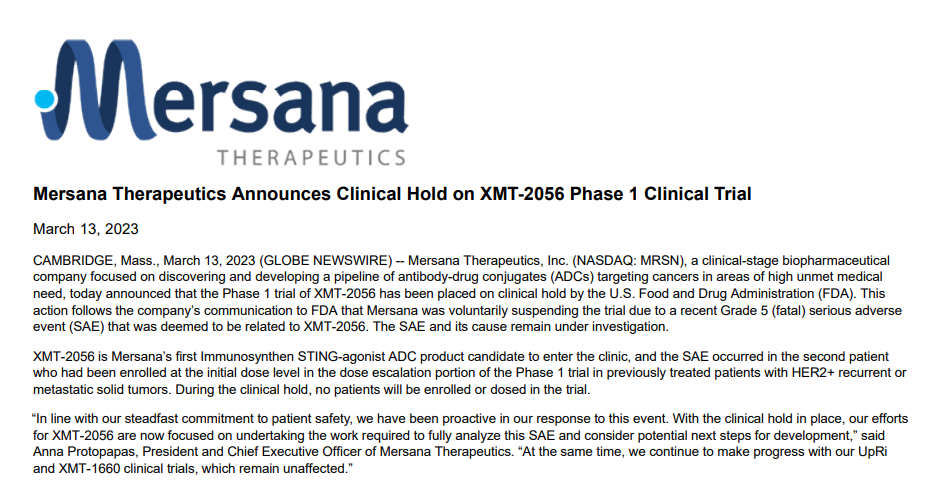
On March 13, 2023, Mersana Therapeutics announced the clinical suspension of a Phase I clinical trial of XMT-2056.
Mersana notified the FDA of the voluntary suspension of clinical trials due to a recent Level 5 (fatal) serious adverse event (SAE) believed to be related to XMT-2056. SAE and its causes are still under investigation.
XMT-2056 is Mersana's first Immunosynthen STING agonist ADC product candidate to enter the clinic. SAE occurred in the second patient, a patient with HER2+ recurrent or metastatic solid tumor, who was in the initial dose group of the dose increment part of the Phase 1 trial. No patients will be recruited or administered during the clinical trial.
On August 8, 2022, Mersana announced an option license agreement with GSK for the co-development and commercialization of the XMT-2056 drug.
Under the agreement, GSK receives exclusive worldwide licensing rights for XMT-2056 and Mersana receives an upfront option purchase fee of US $100 million; Mersana is also eligible to receive up to $1.36 billion in the form of option exercise fees and development, regulatory and commercial milestone payments, if exercised by GSK.
On the third day of this transaction, I made a simple evaluation of this drug, and I thought that XMT-2056 itself was not very medicinal. However, I still thought it could be tried in this direction. (Once the deal of foreign big factories, has been the domestic drug companies to set up the wind vane, now, the vision of foreign big factories may not be accurate. Meanwhile, Pfizer's $43 billion purchase of seagen today is not necessarily smart.)
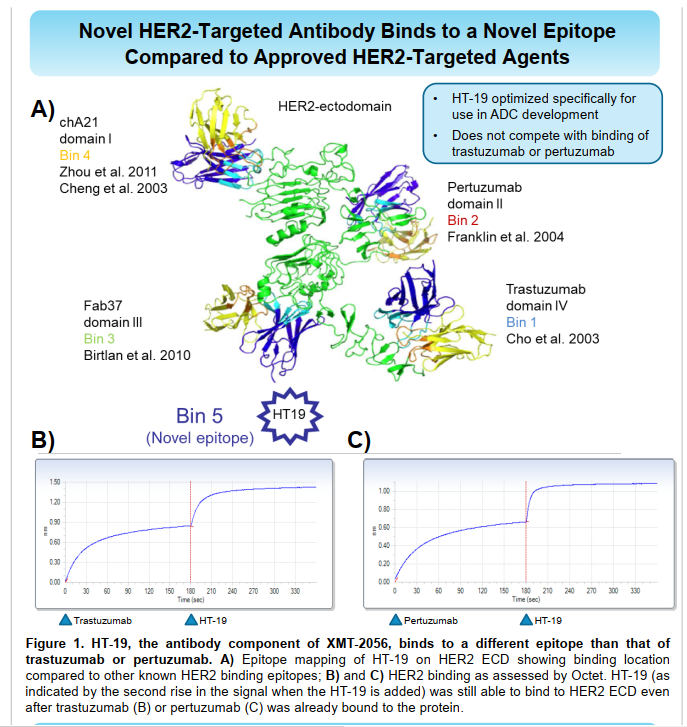
The HER2 antibody selected for XMT-2056 is a novel epitope of the HER2 antigen, which is different from trastuzobead and Pertuzobead. This idea is good, to prevent the subsequent use of the drug between each other to block the situation.
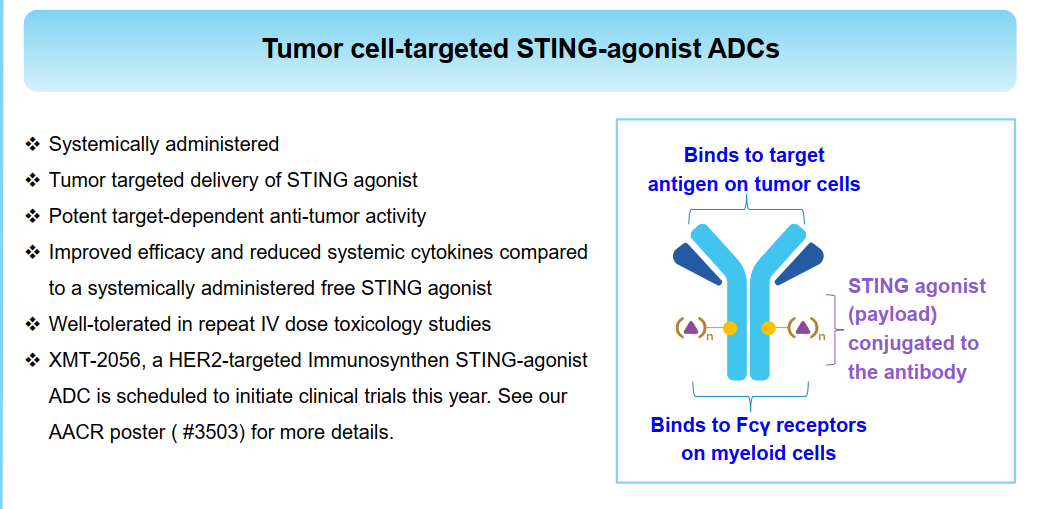
XMT-2056 relies on tumor cells to stimulate STING signals by targeting antigens, so as to activate the innate immune system and achieve the purpose of anti-tumor.
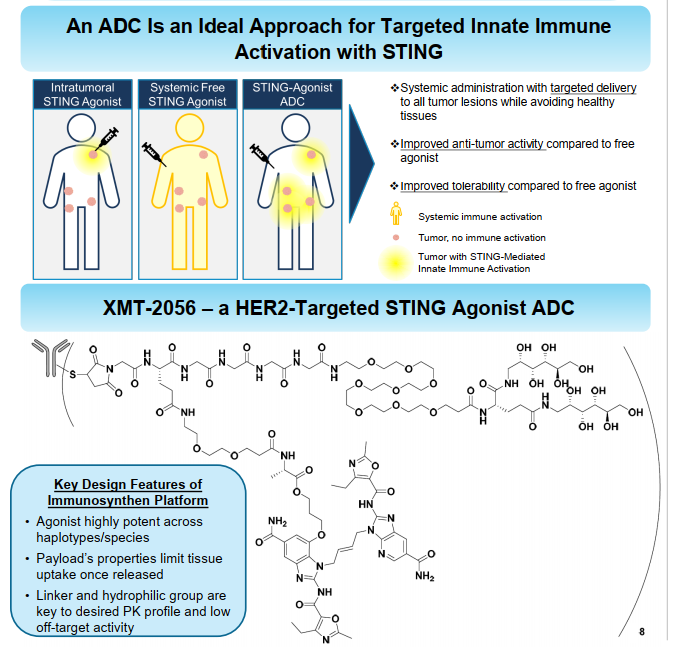
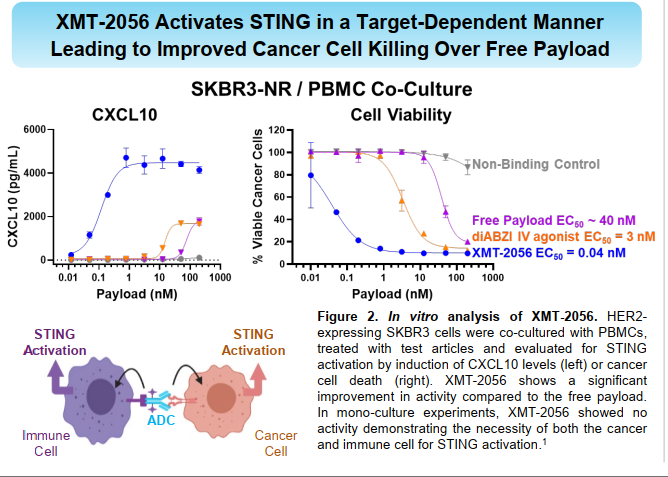
But the payload is too active, as you can see in preclinical experiments.
Especially in animal experiments, the effect of 0.3mg/kg is very obvious, and 1mg/kg is very good. If you've done agonists, you know, it's a lot like lethal ADCs, where there's a positive correlation between efficacy and toxicity, and when I looked at this data, I basically thought it was a hard drug to make.
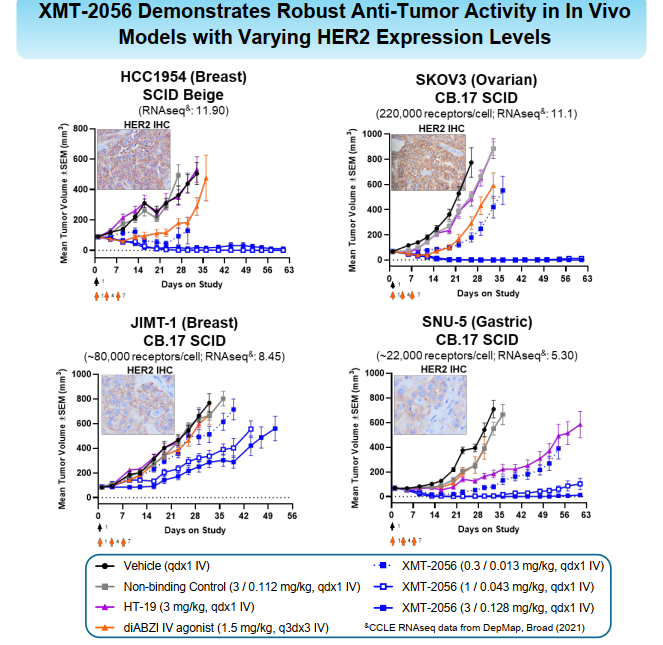
Other experiments are equally obvious.
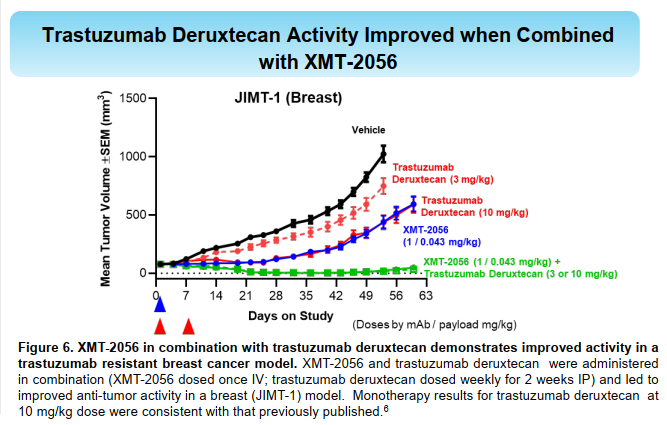
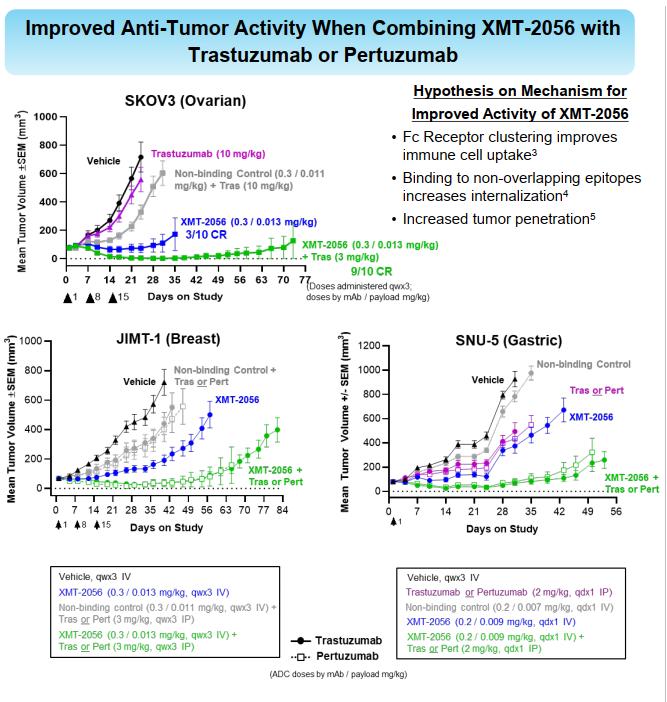
Active ADCs may be more difficult to develop than lethal ADCs, and in the case of drug use alone, they are not necessarily good preclinical and need a good window of safety. In my opinion, what kind of payload is used, TLR7/8, or STING, in fact, there is the possibility of patent drugs. The key is how to grasp the activity of payload, and the details of future clinical trial design.
I'm still optimistic about the future of this sector. It's a long road and we need to take it slowly.

You May Interested In


Glow70/KLOW80 99% China Peptides Warehouse Direct Delivery Lyophilized Powder in Stock
$169/UNIT FOB


2026-10-25
Trade Alert
Delivering the latest product trends and industry news straight to your inbox.
(We'll never share your email address with a third-party.)

Related News
-
The Controversial Billion-Dollar Tuition: The Story Behind Hengrui's BD Dispute
-
3 billion, nearly 10 years, why GlaxoSmithKline again?
-
FDA Approves First New Measles, Mumps and Rubella Vaccine in 50 Years
-
Henkel Plans to Acquire Swiss Adhesive Specialist ATP Adhesive Systems, Expanding Its Sustainable Tape Portfolio
-
Sinopec and CNAF to Implement Restructuring
-
Brazil’s SISPA Platform Signals a New Phase in Pesticide Registration
-
“An €8 Billion Loss, Yet a 25% Price Hike”: Wacker Chemie’s Contradictory Crisis—Survival Move or Desperate Gamble?
-
“The C Empire Unites!”: Wanhua Chemical’s $26.5 Billion Bet on Ethylene Integration—Is It Becoming China’s BASF or the New Global Olefins Overlord?
-
Houthis Claim Strikes on Two Saudi Aramco Facilities as Missile and Drone Attacks Hit Saudi Airports
-
Evonik Restructures Strategic R&D and Aims to Move Projects into Application Within Five Years
Recommend Reading
-
![Mitsubishi Chemical to Halt Production of Key Epoxy Resin Grades by 2027]()
Mitsubishi Chemical to Halt Production of Key Epoxy Resin Grades by 2027
-
![Dow and Celanese Retreat: European and Korean Cutbacks as China Expands]()
Dow and Celanese Retreat: European and Korean Cutbacks as China Expands
-
![Evonik to Cut 3,200 Jobs Globally as Restructuring Deepens Across German Operations]()
Evonik to Cut 3,200 Jobs Globally as Restructuring Deepens Across German Operations
-
![INEOS Shuts Down Europe's Last World-Scale Acetyl Production Facilities]()
INEOS Shuts Down Europe's Last World-Scale Acetyl Production Facilities
-
![India Removes Import Tax on 40 Petrochemical Products]()
India Removes Import Tax on 40 Petrochemical Products
-
![Business Society’s Urea Market Outlook on September 4, 2026: Volatile]()
Business Society’s Urea Market Outlook on September 4, 2026: Volatile
-
![Cost Support: Activated Carbon Prices Rise]()
Cost Support: Activated Carbon Prices Rise
-
![Business Society’s Market Outlook for n-Butanol on September 4, 2026: Fluctuating Trend]()
Business Society’s Market Outlook for n-Butanol on September 4, 2026: Fluctuating Trend
-
![Bullish and Bearish Forces Overlapping, Palm Oil Prices Fluctuate and Rise]()
Bullish and Bearish Forces Overlapping, Palm Oil Prices Fluctuate and Rise
-
![This Week's Isopropyl Alcohol Market Prices Increased in China (8.31-9.4)]()
This Week's Isopropyl Alcohol Market Prices Increased in China (8.31-9.4)