Introductions to Potassium Gluconate vs. Potassium Citrate: What Are They?
What is potassium citrate?
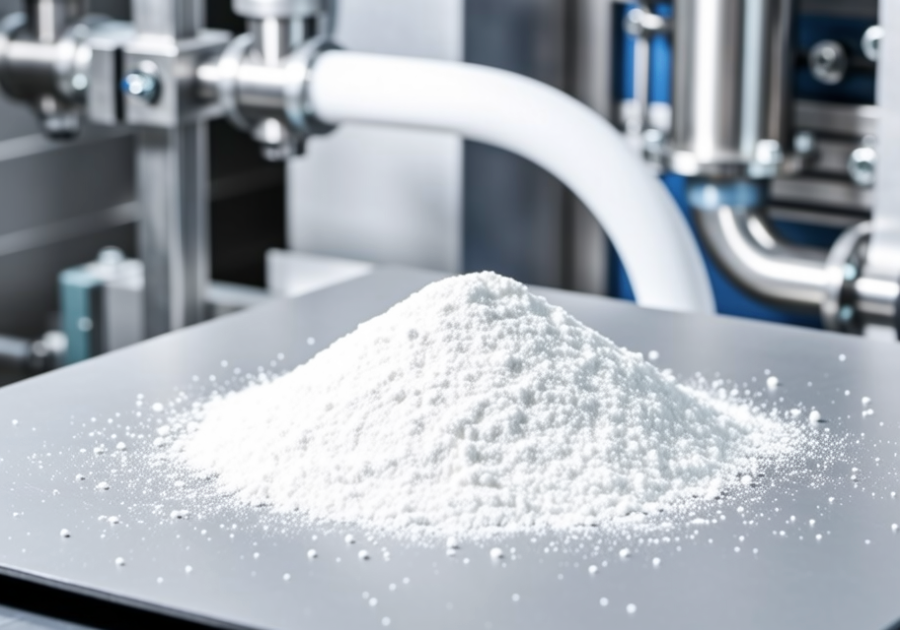
Tripotassium citrate, the potassium salt of citric acid with the chemical formula C6H5K3O7, is another name for potassium citrate. It has a salty flavor and is a white, crystalline powder without an odor. It's stable in air and soluble in water. Potassium gluconate should be stored at room temperature.
In the food and pharmaceutical industries, potassium citrate is primarily used as a food additive and as a medication. It is strongly suggested not to use potassium citrate pills when taken as medicine without a doctor's prescription. When potassium citrate is administered orally, it is quickly absorbed and eliminated in the urine. It helps to lessen the discomfort and frequency of urinating.
What is potassium gluconate?
Potassium gluconate has the chemical formula C6H11KO7. It is an odorless powder or granules that ranges in hue from white to yellowish white. It's stable in air and soluble in water. Potassium gluconate should be stored at room temperature. The interaction between potassium and gluconic acid results in potassium gluconate.
A vital mineral for the human body is potassium. People who suffer hypokalemia, a condition where there is insufficient potassium in the blood, can take potassium gluconate as a mineral supplement to supplement their diet. This aids in the treatment or prevention of people with low blood potassium levels. However, starting or stopping medication must be done after seeing a doctor.
Potassium gluconate vs potassium citrate
Potassium gluconate is formed of potassium and gluconic acid, whereas potassium citrate is made of potassium and citric acid. This is the main distinction between these two supplements. Both versions are sold without a prescription. These two supplements can also be used to treat blood potassium deficiency; they are also added to food to increase the potassium content of certain foods.
The treatment of acidosis in the renal system is another application for potassium citrate. When your renal system is unable to remove acids from your blood, a condition known as renal tubular acidosis develops.
The potential of potassium citrate to alleviate kidney stone development is another unusual application for the compound. Calcium deficiency causes your body to produce calcium oxalate stones. You are more likely to get kidney stones if you do not drink enough water. Urinary oxalate combines with calcium to form kidney stones.
On the similarities front when it comes to potassium gluconate vs. potassium citrate: these supplements come in a dry powder form and a liquid form, which are the two different ways they are offered. Both supplements have a salty flavor. Additionally, both share the quality of being odorless.
Safe intake of potassium based supplements
You might be instructed by the treating doctor to take these medications with food. Users who have not taken this medication with a meal can do so less than 30 minutes after their mealtime. Your dietitian is likely to advise you to follow a specific diet that is tailored to your medical needs and treatment strategy.
Generally speaking, it is a good habit to drink the recommended amount of water each day. Dehydration hazards and kidney stone formation may result from inadequate water consumption. What typical symptoms of dehydration are there? The symptoms are frequently extremely obvious, such as thirst, dry skin, itchy skin, a poor taste or odor in the mouth, parched lips and throat, etc.
Side effects these potassium supplements may trigger
It's likely that these two potassium supplements will cause a few unfavorable side effects and unpleasant reactions. The most frequent negative side effects are flatulence, bloating, gas production, abdominal pain, indigestion/dyspepsia, and nausea, which is frequently followed by vomiting.
However, the main reason one of these two supplements is included in your treatment plan(s) is if your caregiver has chosen to move forward with such a strategy. Only after carefully weighing the benefits and drawbacks of utilizing either of these medications are such prescriptions authorized. Typically, doctors only choose to prescribe one of these potassium supplements when the advantages clearly outweigh the risks of bad responses or side effects.
Serious responses or severe acute side effects, such as darker stools, repeated episodes of vomiting, or nausea, are extremely unlikely to happen. It is recommended to contact your caregiving team right away if you encounter one or more of these severe side effects. Rush to a healthcare facility that is close to your home if you are also experiencing severe allergies, such as skin issues including rashes, swelling, hives, or itching coupled with skin discoloration.
Looking for chemical products? Let suppliers reach out to you!
You May Interested In


Glow70/KLOW80 99% China Peptides Warehouse Direct Delivery Lyophilized Powder in Stock
$169/UNIT FOB


2026-10-15
Trade Alert
Delivering the latest product trends and industry news straight to your inbox.
(We'll never share your email address with a third-party.)

Related News
-
What is correction fluid chemical formula and its use?
-
Silver Nitrate: Medical Uses, Photography History, and Staining Properties
-
Phosphoric Acid: Uses in Cola, Rust Removal, and Fertilizers Explained
-
Chemical Properties and Applications of Cyclopropen
-
What is HCO3? (Bicarbonate Ion Function & Normal Levels)
-
PEG (Polyethylene Glycol): Uses in Pharma, Cosmetics, and PEGylation
-
Key Reactions of Cobalt Chloride
-
What is Aconitic Acid? (Chemistry & Occurrence)
-
What are Acetoglycerides? (Definition & Food Industry Uses)
-
What is the Formula for Ammonia? (NH3 Structure & Properties)
Recommend Reading
-
Sodium Metabisulfite: Properties, Uses, and Safety
-
![Cytosine: Structure, DNA Pairing, and Role in Genetics]()
Cytosine: Structure, DNA Pairing, and Role in Genetics
-
![Bovine Serum Albumin (BSA): Role in Cell Culture & Laboratory Applications]()
Bovine Serum Albumin (BSA): Role in Cell Culture & Laboratory Applications
-
![Cocamidopropyl Betaine: Uses, Benefits, and Safety]()
Cocamidopropyl Betaine: Uses, Benefits, and Safety
-
![Hydrobromic Acid: Properties, Uses, and Safety]()
Hydrobromic Acid: Properties, Uses, and Safety
-
![This Week's TDI Market Slightly Declined (10.20-10.24) in China]()
This Week's TDI Market Slightly Declined (10.20-10.24) in China
-
![This Week's Aniline Market Remains Firm (10.20-10.24)]()
This Week's Aniline Market Remains Firm (10.20-10.24)
-
![China's urea market shows a strong upward trend (10.20-10.24)]()
China's urea market shows a strong upward trend (10.20-10.24)
-
![This Week, China's Titanium Dioxide Market Remains Stable (10.20-10.24)]()
This Week, China's Titanium Dioxide Market Remains Stable (10.20-10.24)
-
![This Week's Activated Carbon Prices Remain Stable (10.20-10.24)]()
This Week's Activated Carbon Prices Remain Stable (10.20-10.24)