What is Magnesium Oxide Used For? | Chemical Properties & Applications
What is Magnesium Oxide?
Let's start with magnesium before discussing magnesium oxide. Magnesium is a type of silvery-white, lightweight metal with excellent ductility. One of the chemical elements found in nature is most widely distributed. Greek "Mágns lthos," which means "stone from Magnesia," is whence the English word "Magnesia" originates. Because Magnesia is from a region of Thessaly, Greece, where a significant amount of this natural resource (magnesium oxide) was collected and known by the name "magnesia alba" by the ancient Romans.
Magnesium is an element your body needs to function normally. On the other hand, Magnesium oxide may be used for different reasons. Some people use it as an antacid to relieve heartburn, sour stomach, or acid indigestion. Magnesium oxide also may be used as a laxative for short-term, rapid emptying of the bowel (before surgery, for example). It should not be used repeatedly. Magnesium oxide also is used as a dietary supplement when the amount of magnesium in the diet is not enough. Magnesium oxide is available without a prescription.
What is Magnesium Oxide Used For?
It is a natural gas with a density of light magnesium oxide which is about 40–50 mL per 5g. Under more difficult circumstances, heavy magnesium oxide is generated, which has a denser composition (10–20 mL per 5 g). Magnesium oxide has a low solubility in water, is insoluble in alcohol, and has a higher solubility in weak acids. Its chemical features make it useful in many ways:
1. Numerous investigations on the antibacterial properties of MgO have been conducted. Magnesium oxide nanoparticles which are efficient against Salmonella and E. coli, have been shown to have potential as a bactericide in a recent study by Jin and He, which was published in 2011 in the Journal of Nanoparticle Research. The structure of the bacterial cell is disturbed by MgO NP. In the future, these discoveries may be used in formulations, manufacturing as a process assist, or packaging as a component to enable enhanced food safety.
2. Since magnesium is a critical nutrient that plays a significant role in many aspects of health and is frequently missing in diets, I talked about it as an opportunity mineral last year. While alternative magnesium salts might have higher bioavailability, magnesium oxide has a magnesium content of 55–60% and is a reasonably cheap way to fortify foods with magnesium. Magnesium oxide used for fortifying bread procedures is very practical as well, but if used in excess, it will modify the pH of the dough, making the final product less appealing. Magnesium oxide is available in encapsulated forms to combat taste or pH changes.
3. Magnesium is regarded as an element of the alkaline earth. Magnesium oxide has a pH of approximately 10 in solution. The Dutch cocoa process, which yields a mellow-flavored cocoa with improved wettability, dispersibility, and suspension-holding qualities, allows for the use of magnesium oxide in an alkaline solution of 2-2.5%. Magnesium oxide is listed by the Codex as an authorized ingredient in several dairy products, including cheese.
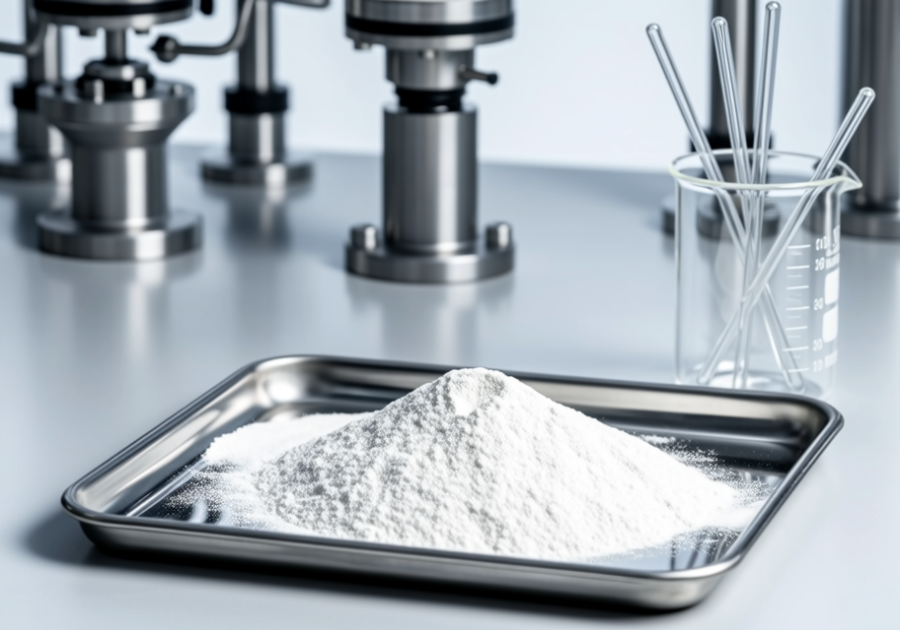
4. The oxide of magnesium is hygroscopic. Magnesium oxide used for an anti-caking ingredient is very practical in dry powdery formulations, keeping these goods fluid. If the consumption level is too high, magnesium oxide's low water solubility may cause a white powder to appear in goods people use to hydrate, including powdered beverages.
5. The oxide of magnesium is hygroscopic. It functions as an anti-caking ingredient in dry powdery formulations, keeping these goods fluid. If the consumption level is too high, magnesium oxide's low water solubility may cause a white powder to appear in goods people use to hydrate, including powdered beverages.
6. Although magnesium oxide has an unpleasant bitter flavor, it can be used in some recipes to improve flavors. For instance, magnesium oxide can absorb polar lipids from frying oil, halting the oil's temporary taste degradation.
7.Water and the marginally soluble magnesium oxide combine to make magnesium hydroxide. Recent studies on coffee flavor demonstrated that coffee brewed with hard water, which contains magnesium hydroxide, has a higher concentration of flavor components and caffeine.
Looking for chemical products? Let suppliers reach out to you!
You May Interested In


Glow70/KLOW80 99% China Peptides Warehouse Direct Delivery Lyophilized Powder in Stock
$169/UNIT FOB


2026-10-23
Trade Alert
Delivering the latest product trends and industry news straight to your inbox.
(We'll never share your email address with a third-party.)

Related News
-
Potassium Carbonate: Properties, Uses, and Applications
-
Hydrobromic Acid: Properties, Uses, and Safety
-
Dimethyl Carbonate: Properties and Industrial Applications
-
Key Reactions of Cobalt Chloride
-
Chemical Properties and Applications of Cyclopropen
-
What is Aconitic Acid? (Chemistry & Occurrence)
-
What are Acetoglycerides? (Definition & Food Industry Uses)
-
A New Weapon Against Spider Mites: Canada Moves to Approve Novel Miticide for Greenhouse Growers
-
Glycopyrronium: Pharmaceutical Applications, Mechanism, and Chemical Specs
-
Heptane: Properties, Uses, and Industrial Applications
Recommend Reading
-
![HNO2 (Nitrous Acid): Properties, Uses, and Safety]()
HNO2 (Nitrous Acid): Properties, Uses, and Safety
-
![Methanol Methyl Alcohol vs Ethanol: Toxicity, Fuel Uses, and Industrial Solvent Safety]()
Methanol Methyl Alcohol vs Ethanol: Toxicity, Fuel Uses, and Industrial Solvent Safety
-
![What is Sodium Hipoklorit? (Definition, Uses & Safety)]()
What is Sodium Hipoklorit? (Definition, Uses & Safety)
-
![Sodium Nitrate: Fertilizer, Food Preservative, and Chemical Properties]()
Sodium Nitrate: Fertilizer, Food Preservative, and Chemical Properties
-
Barium Sulfide: Properties, Uses, and Safety
-
![Ethyl Acetate Market Shows Weak Performance]()
Ethyl Acetate Market Shows Weak Performance
-
![Lithium Industry Leader Optimistically Predicts, Fueling a Surge in Lithium Carbonate Prices]()
Lithium Industry Leader Optimistically Predicts, Fueling a Surge in Lithium Carbonate Prices
-
![Narrow Increase in China's Soda Ash Market in March]()
Narrow Increase in China's Soda Ash Market in March
-
![Business Society October 13, 2026 Petroleum Coke Trend Analysis: Volatility]()
Business Society October 13, 2026 Petroleum Coke Trend Analysis: Volatility
-
![Business Society’s Market Outlook for Melamine on August 31, 2026: Strong Consolidation]()
Business Society’s Market Outlook for Melamine on August 31, 2026: Strong Consolidation