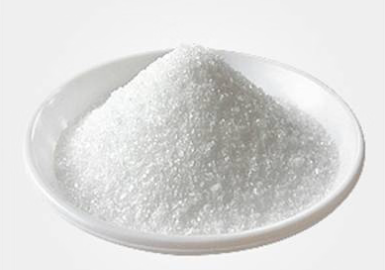
Why not Take a Closer Look at the Role of Citric Acid in Food?
The citric acid in food has gained significant attention due to its versatile applications and widespread use in the food industry. This organic acid, naturally found in citrus fruits, serves various purposes in food products. We will dive into the fascinating world of citric acid, exploring its functions, benefits, and potential considerations.
Where is Citric Acid Coming from?
Citric acid is predominantly derived from citrus fruits such as lemons, oranges, and grapefruits. Its natural presence in these fruits contributes to their characteristic tartness and refreshing flavors. However, as the demand for citric acid grew, its production expanded beyond fruit extraction. Today, citric acid is also produced through fermentation using specific strains of mold.
What are the Functions of Citric Acid in Food?
- Flavor Enhancement and Preservation:
One of the primary roles of this acid is its ability to enhance flavors. Its acidic properties lend a pleasant tanginess and brightness to various food and beverage products. Additionally, citric acid acts as a natural preservative, inhibiting bacterial growth and extending the shelf life of certain foods and beverages. This dual functionality makes it a valuable ingredient in jams, soft drinks, and canned goods.
2. pH Regulation and Acidity Balance:
Citric acid plays a vital role in regulating pH levels and balancing acidity in food. It is commonly used to adjust the acidity of products, ensuring the ideal taste and sensory experience. The controlled addition of citric acid allows food manufacturers to achieve the desired tartness or sourness in items like sauces, dressings, and confectioneries, providing a harmonious flavor profile.
3. Antioxidant Properties:
Beyond its flavor-enhancing and preservation capabilities, citric acid also possesses antioxidant properties. As an antioxidant, it helps neutralize harmful free radicals in the body, protecting against oxidative stress and cellular damage. While the concentrations of citric acid in food products may not be high enough to yield substantial antioxidant benefits, its presence can contribute to a more comprehensive antioxidant profile when combined with other nutrients.
What Should You Consider When You Take in Citric Acid?
Although citric acid is generally recognized as safe for consumption, some individuals may experience allergic reactions or sensitivities to it. It is important to note that citric acid allergies are relatively rare, and most adverse reactions are associated with other components in food rather than citric acid itself. If you suspect an allergy or intolerance, it is advisable to consult a healthcare professional for an accurate diagnosis.
While citric acid is considered safe for most people, excessive consumption may have some implications. A high intake of citric acid can potentially erode tooth enamel over time due to its acidic nature. Additionally, individuals with specific health conditions such as gastroesophageal reflux disease (GERD) or kidney problems may need to moderate their citric acid intake. As always, maintaining a balanced and varied diet is crucial for overall well-being.
What are the Possible Allergic Reactions of Citric Acid in Food?
Possible allergic reactions to the acid in food are rare, but they can occur in some individuals. These allergic reactions can range from mild to severe and may include symptoms such as skin rash or hives, itchy or swollen throat, swelling of the face, lips, and tongue, nausea, vomiting, diarrhea, and many others.
People who have a history of allergic reactions to citric acid or citrus fruits, or other types of food allergies, should avoid consuming foods or products containing citric acid. They should talk to their doctor or allergist for guidance on how to manage their condition. If you experience severe allergic reactions to citric acid or any ingredient in your food, seek emergency medical attention immediately.
Conclusion:
Citric acid in food serves as a multifunctional ingredient, contributing to flavors, preservation, and pH regulation. Its natural origins in citrus fruits make it a widely accessible and versatile additive. As with any food component, moderation is key, and individuals with specific health concerns should seek professional advice. Understanding the role of citric acid empowers consumers to make informed choices and appreciate the culinary artistry it brings to various food experiences.
Looking for chemical products? Let suppliers reach out to you!
You May Interested In


2026-10-22
Trade Alert
Delivering the latest product trends and industry news straight to your inbox.
(We'll never share your email address with a third-party.)

Related News
-
ECHEMI High Quality Inquiries (22-26 June)
-
ECHEMI High Quality Inquiries (16-20 Mar)
-
ECHEMI High Quality Inquiries (24-28 Feb)
-
Enhance Your Frosting: The Secret Ingredient for Brighter Buttercream
-
Is Citric Acid Vegan | Basics Concepts and Industrial Applications
-
Why not Take a Closer Look at the Role of Citric Acid in Food?
-
How Citric Acid in beauty products keep it safe and effective
-
What Is Uses Of Citric Acid In Cosmetics
-
How Is Citric Acid Function In Cosmetics
-
The latest market situation of citric acid
Recommend Reading
-
![Applications and Safety of Sodium Dichromate]()
Applications and Safety of Sodium Dichromate
-
![Uses and Benefits of Sodium Selenite]()
Uses and Benefits of Sodium Selenite
-
![Uses of Sodium Citrate Dihydrate in Food Industry]()
Uses of Sodium Citrate Dihydrate in Food Industry
-
![Uses and Properties of Chromium Oxide]()
Uses and Properties of Chromium Oxide
-
![Chemical Properties and Uses of Caesium Fluoride]()
Chemical Properties and Uses of Caesium Fluoride
-
![Methanol Market Trading Quiet]()
Methanol Market Trading Quiet
-
![In November, the Chinese marine fuel market trended downward with fluctuations]()
In November, the Chinese marine fuel market trended downward with fluctuations
-
![Ethanol Market Prices Continue to Rise]()
Ethanol Market Prices Continue to Rise
-
![Since December, the Chinese phenol market has seen a significant decline]()
Since December, the Chinese phenol market has seen a significant decline
-
![This Week Sodium Metabisulfite Prices Remain Stable in China (12.1-12.5)]()
This Week Sodium Metabisulfite Prices Remain Stable in China (12.1-12.5)