Hydrogen Peroxide and Salt Reaction: Learn Everything About It
Hydrogen peroxide (H2O2) can react with common table salt (NaCl) under specific conditions. In this reaction, hydrogen peroxide breaks down into oxygen and water, while chloride ions facilitate the process. The overall reaction is:
2H2O2 + 2NaCl → 2NaCl + O2 + 2H2O
This is a redox reaction. Hydrogen peroxide acts as an oxidizer, and chloride ions participate in electron transfer. While the reaction is straightforward in principle, high concentrations of H2O2 can be hazardous, so it is important to exercise caution.
About Hydrogen Peroxide
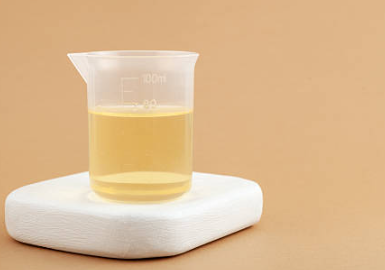
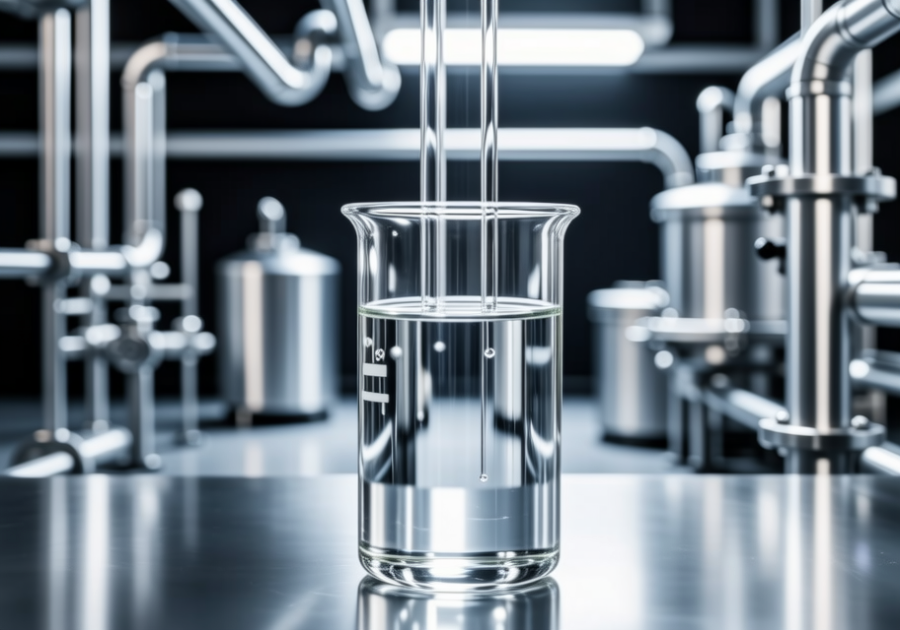
Hydrogen peroxide is a pale, clear liquid used widely as a disinfectant, bleaching agent, and oxidizer. Household solutions typically contain 3%, while industrial solutions can range from 30% to 90%. It decomposes over time, releasing oxygen gas, which is useful in various chemical processes.
About Salt
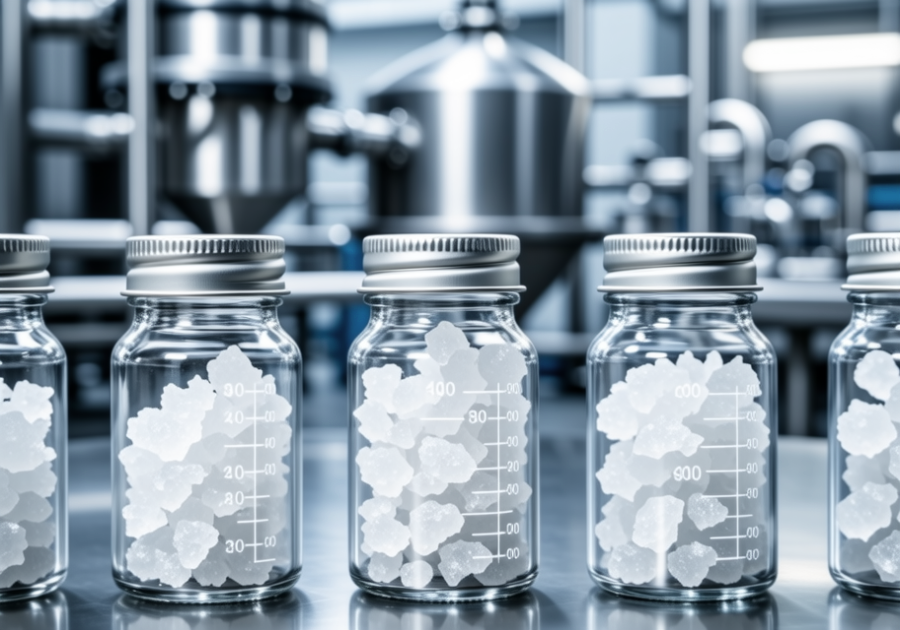
Table salt, or sodium chloride, is a neutral salt that dissociates fully in water into sodium and chloride ions. In chemical reactions, chloride ions can act as electron donors or catalysts in redox reactions, as seen with hydrogen peroxide.
How the Reaction Works
When mixed, chloride ions accelerate the decomposition of hydrogen peroxide. The peroxide releases oxygen gas, forming water. The reaction is visible as bubbling and should only be done with proper precautions, especially at higher concentrations.
Practical Uses of Hydrogen Peroxide
- Disinfection: Used to clean minor cuts, abrasions, and prevent infection.
- Oral Care: Diluted peroxide can be used as a mouth rinse for gum health.
- Household Cleaning: Effective in laundry, surface cleaning, and bleaching tasks.
- Industrial Uses: Applied in textile bleaching, chemical synthesis, and paper production.
Safety Tips
Hydrogen peroxide is a strong oxidizer. Always use gloves and eye protection when handling concentrated solutions. Avoid mixing with organic materials or high amounts of salts in uncontrolled settings to prevent accidental reactions or rapid oxygen release.
Reaction Summary Table
| Feature | Details |
|---|---|
| Reaction Type | Redox |
| Products | Oxygen gas and water |
| Catalyst | Chloride ions |
| Precautions | Use gloves, avoid concentrated mixtures, keep away from flammable materials |
FAQ
Q1: Can I safely mix hydrogen peroxide and table salt at home?
A1: Only with low concentrations. Higher concentrations can release oxygen rapidly and pose a fire risk.
Q2: What type of chemical reaction occurs?
A2: A redox reaction where hydrogen peroxide decomposes and chloride ions assist electron transfer.
Q3: What are common uses for hydrogen peroxide?
A3: Disinfecting wounds, oral rinses, cleaning, bleaching textiles and paper, and as an industrial oxidizer.
Looking for chemical products? Let suppliers reach out to you!
You May Interested In


SS-31 Cosmetic peptides, discounted price improving cognitive impairment factory supply
$8E+1/UNIT FOB


2026-09-10
Trade Alert
Delivering the latest product trends and industry news straight to your inbox.
(We'll never share your email address with a third-party.)

Related News
-
Barium Sulfide: Properties, Uses, and Safety
-
Fipronil: Uses, Safety, and Environmental Impact
-
Ethylene Glycol: Production, Uses, and Safety
-
Sodium Thiosulfate Uses: Reactions, Industrial Applications & Safety
-
India Unleashes a Triple-Action Defender: Parijat Introduces NILANIX SC into the Rice Battlefront
-
France’s Vineyards Find a New Shield: Eden’s Mevalone Enters the Frontline of a Changing Fungicide Era
-
Calcium Sulfate: Properties, Uses, and Applications
-
Sodium Dodecyl Sulfate (SDS): Properties, Uses, and Safety
-
Hydrobromic Acid: Properties, Uses, and Safety
-
Dimethyl Carbonate: Properties and Industrial Applications
Recommend Reading
-
![Potassium Carbonate: Properties, Uses, and Applications]()
Potassium Carbonate: Properties, Uses, and Applications
-
![Cocamidopropyl Betaine: Uses, Benefits, and Safety]()
Cocamidopropyl Betaine: Uses, Benefits, and Safety
-
![What is Element Stibium? (Antimony Facts & Uses)]()
What is Element Stibium? (Antimony Facts & Uses)
-
![Aluminum Sulfate: Industrial and Water Treatment Applications]()
Aluminum Sulfate: Industrial and Water Treatment Applications
-
![What is Amylum Starch? (Old Terminology & Modern Equivalent)]()
What is Amylum Starch? (Old Terminology & Modern Equivalent)
-
![Business Society’s BDO Market Outlook on August 26, 2026: Clearly Upward Trend]()
Business Society’s BDO Market Outlook on August 26, 2026: Clearly Upward Trend
-
![In November, the market price of anhydrous hydrogen fluoride in China showed a downward trend]()
In November, the market price of anhydrous hydrogen fluoride in China showed a downward trend
-
![Business Society’s Market Outlook for Maleic Anhydride on September 2, 2026: Volatile]()
Business Society’s Market Outlook for Maleic Anhydride on September 2, 2026: Volatile
-
![Business Society’s Market Outlook for Ethyl Acetate on August 26, 2026: Strong Consolidation]()
Business Society’s Market Outlook for Ethyl Acetate on August 26, 2026: Strong Consolidation
-
![Costs Decline, Production Starts to Rise—Phthalic Anhydride Prices Fluctuate and Fall in November]()
Costs Decline, Production Starts to Rise—Phthalic Anhydride Prices Fluctuate and Fall in November