Benzoic Acid: Properties, Molar Mass & Food Preservation Uses
Takeaway first: Benzoic acid is a dependable preservative for acidic foods and beverages. Its benzoic acid molar mass(≈122.12 g/mol) underpins accurate dosing in labs and factories, while decades of use—and oversight by authorities including the U.S. FDA and EFSA—support its safety when applied within established limits.
Paragraph 1: Molar Mass and Core Properties
For formulators and students alike, the first number to know is the benzoic acid molar mass: approximately 122.12 g/mol, calculated from the empirical formula C7H6O2. This value drives everything from reagent prep to preservative loadings expressed as molar ratios or ppm.
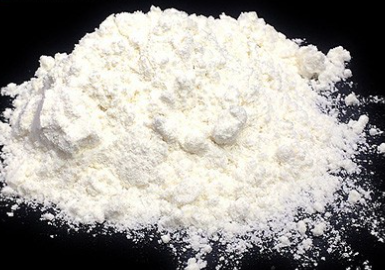
Benzoic acid appears as a white, crystalline solid with a faint, benzoin-like odor. Typical handbook values report a melting point near 122–123 °C and a boiling/decomposition point around ≈249 °C (it sublimes readily). In water, solubility is modest at room temperature but increases with heat; it dissolves more readily in ethanol and many organic solvents. The acid dissociation constant (pKa) is commonly cited near 4.2, a detail that explains its strong performance in foods below pH 4.5.
Quick reference: typical physical data
| Property | Typical value | Notes |
|---|---|---|
| Formula / CAS | C7H6O2 / 65-85-0 | Carboxylic acid of benzene |
| Molar mass | ≈122.12 g/mol | Basis for dosing/ppm conversions |
| Appearance | White crystals | Faint characteristic odor |
| Melting point | ~122–123 °C | Narrow range indicates good purity |
| Boiling/decomposition | ~249 °C | Sublimes; may decompose on heating |
| pKa (25 °C) | ~4.2 | Activity increases as product pH drops |
| Water solubility | Low at ambient; higher when heated | High solubility as sodium benzoate |
Values are representative; consult your supplier’s certificate of analysis (CoA) and the safety data sheet (SDS) for specifications relevant to your process.
Paragraph 2: Food Preservation Uses
Benzoic acid and its salts (especially sodium benzoate) are widely used in acidic foods: soft drinks, fruit juices, pickles, relishes, jams, sauces, and some fermented products. The undissociated acid crosses microbial cell membranes and disrupts internal pH homeostasis, slowing or stopping growth of yeasts, molds, and many spoilage bacteria. This is why performance improves as product pH approaches ~3.
Regulators provide clear guardrails. The U.S. Food and Drug Administration recognizes benzoates as safe when used within good manufacturing practice and commonly limits benzoate in finished foods to around 0.1%. The European Food Safety Authority and the Joint FAO/WHO Expert Committee on Food Additives (JECFA) have also evaluated benzoic acid and benzoates, assigning conservative intake thresholds that manufacturers use to design formulations and serving sizes. These frameworks, together with routine quality checks (pH, preservative assay, challenge tests), underpin shelf-life claims consumers see on labels.
Practical tips for formulators: keep metal ions (e.g., copper, iron) low, store syrups and concentrates away from heat and light, and avoid unnecessary coexistence of benzoates with ascorbic acid in oxygen-rich systems; these controls help minimize conditions under which trace benzene could form in beverages. Modern beverage plants manage this through recipe design, oxygen control, and tight process hygiene.
Paragraph 3: Industrial Applications
Beyond the grocery aisle, benzoic acid is a versatile building block. It is converted to sodium and potassium benzoate (preservatives), reacted to make benzoyl chloride (a key intermediate), and esterified to produce benzoate plasticizers used in adhesives, sealants, and flexible PVC as non-phthalate options. Coatings makers use benzoic acid in alkyd resins to tune viscosity and hardness. In personal care, it serves as a preservative in certain creams and rinses, and in pharmaceuticals it appears in classic topical formulas (e.g., with salicylic acid) for antifungal action.
In laboratories, knowing the exact benzoic acid molar mass helps standardize solutions, calibrate calorimetry (it burns cleanly in a bomb calorimeter), and prepare buffers or reaction charges where stoichiometry is tight.
Paragraph 4: Safety and Good Practice
For consumers, the headline is straightforward: products using benzoic acid or its salts are considered safe when made to code. Sensitivities can occur—rarely—including mild irritation or non-specific intolerance at high intakes; anyone with a history of salicylate sensitivity should review labels and consult a professional if unsure.
For plant teams and lab staff, routine chemical hygiene applies. Avoid dust generation, keep areas ventilated, and wear eye protection and gloves when handling powders or hot solutions. Spills are typically managed by careful sweep-up and disposal according to local regulations. Always refer to your SDS for storage temperature, incompatibilities, and first-aid guidance. When formulating beverages containing both benzoate and vitamin C, validate shelf-life under real-world conditions (temperature cycling, UV exposure) and confirm against your internal specification for benzene (analytical methods such as HS-GC/MS are standard).
Conclusion
If you work with acidic foods or beverage syrups, benzoic acid remains one of the most reliable tools you can choose. Its predictable chemistry, well-characterized toxicology, and clear regulatory playbook make it easy to dose accurately, validate, and scale. Start with the essentials—accurate molar mass, product pH, and compliance limits—and you’ll have a preservative strategy that is robust, auditable, and consumer-friendly.
References noted
U.S. Food and Drug Administration (FDA); European Food Safety Authority (EFSA); Joint FAO/WHO Expert Committee on Food Additives (JECFA); Codex Alimentarius; standard chemical handbooks and supplier SDS documents.
FAQ
What is the molar mass of benzoic acid?
Approximately 122.12 g/mol (C7H6O2).
Where does it work best?
In acidic foods and beverages (roughly pH ≤ 4.5), where the undissociated acid is most active.
How much can be used?
Food codes commonly cap benzoate levels near 0.1% of the finished product; always follow your market’s regulations and GMP.
Can I substitute sodium benzoate?
Yes—its higher water solubility simplifies dosing in aqueous systems. Efficacy depends on final pH, not just the salt chosen.
Any special storage advice?
Keep dry, sealed, and out of heat/light. For beverages, minimize oxygen pickup and store concentrates cool.
Looking for chemical products? Let suppliers reach out to you!
You May Interested In


SS-31 Cosmetic peptides, discounted price improving cognitive impairment factory supply
$8E+1/UNIT FOB


2026-09-14
Trade Alert
Delivering the latest product trends and industry news straight to your inbox.
(We'll never share your email address with a third-party.)

Related News
-
Benzoate vs Benzoic Acid: Differences, Uses & Safety Tips
-
Is Benzoic Acid Safe? Exploring Its Impact on Protein Structure and Function
-
Is Benzoic Acid Safe? Exploring Its Impact on Protein Structure and Function
-
Why is benzoic acid soluble in water and its uses
-
What is the reaction between benzoic_acid and water
-
What are the benefits of benzoic acid for skin
-
Get to Know About Another Name For Benzoic Acid
-
Get to Know the Uses of Benzoic Acid in Water
-
Is benzoic acid soluble in water
-
What Is Benzoic Acid Structure And Uses?
Recommend Reading
-
![Aluminum Sulfate: Industrial and Water Treatment Applications]()
Aluminum Sulfate: Industrial and Water Treatment Applications
-
![Applications of Caesium Iodide]()
Applications of Caesium Iodide
-
![Chemical Properties and Uses of Tetraetil]()
Chemical Properties and Uses of Tetraetil
-
![Salinity Solution: Preparation and Uses]()
Salinity Solution: Preparation and Uses
-
![Rubber Cement: Applications and Safety Guidelines]()
Rubber Cement: Applications and Safety Guidelines
-
![Double Positive Factors for Costs and Supply—PTA Prices Show Volatile but Strong Tendencies]()
Double Positive Factors for Costs and Supply—PTA Prices Show Volatile but Strong Tendencies
-
![Cost-side Support Boosts Polyester Staple Fiber Prices, Stopping the Decline and Rebounding]()
Cost-side Support Boosts Polyester Staple Fiber Prices, Stopping the Decline and Rebounding
-
![Zoledronic Acid: Uses, Mechanism, and Side Effects]()
Zoledronic Acid: Uses, Mechanism, and Side Effects
-
![China's Natural Rubber Prices Show a Slight Decline]()
China's Natural Rubber Prices Show a Slight Decline
-
![Post-Holiday Acetic Acid Ethyl Ester Market Rises Strongly (10.8-10.14)]()
Post-Holiday Acetic Acid Ethyl Ester Market Rises Strongly (10.8-10.14)