Controversy Surrounding Aspartame: Is It Safe or a Possible Cause of Cancer?
Aspartame, the artificial sweetener commonly found in diet soda and various food products, has recently come under scrutiny due to conflicting assessments of its safety. The International Agency for Research on Cancer (IARC), a branch of the World Health Organization (WHO), has classified aspartame as a "possible" cause of cancer. However, another expert panel commissioned by WHO and the Food and Agriculture Organization (FAO) maintains that the sugar substitute is safe when consumed in limited quantities.
The IARC regularly reviews potential cancer hazards but does not assign a specific likelihood of causing cancer. Aspartame now joins a list of over 300 other substances categorized as potential cancer-causing agents, including aloe vera extract, Asian-style pickled vegetables, and carpentry work.
Despite the divergent conclusions, the guidance on aspartame usage remains consistent. WHO's nutrition director, Dr. Francesco Branca, stated that they are not advising consumers to completely eliminate aspartame from their diets but rather to consume it in moderation.
Here's an overview of the situation:
What is aspartame?
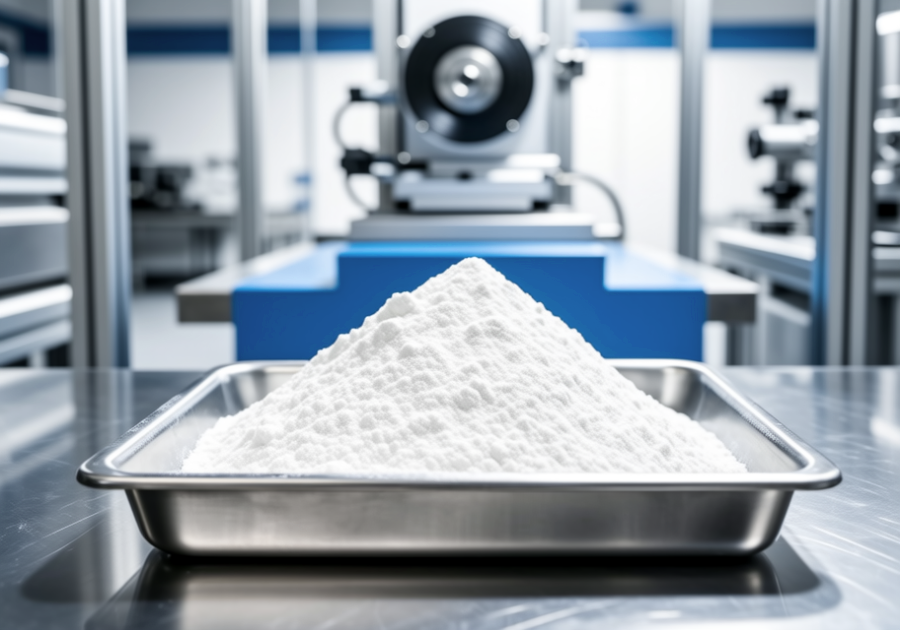
Aspartame is a low-calorie artificial sweetener that is approximately 200 times sweeter than sugar. It is a white, odorless powder and is the most widely used artificial sweetener worldwide.
As a food additive, aspartame is authorized for use in Europe and the U.S. It is present in numerous foods, beverages such as Diet Coke, desserts, chewing gum, medications (including cough drops), and products intended for weight loss. It is marketed as Equal, Sugar Twin, and NutraSweet in tabletop sweeteners.
Aspartame received approval from the U.S. Food and Drug Administration (FDA) in 1974, with an acceptable daily intake of 50 milligrams per kilogram of body weight. According to the FDA, a person weighing 132 pounds (60 kilograms) would need to consume approximately 75 aspartame packets to reach that level.
U.N. experts evaluated the safety of aspartame in 1981 and set the safe daily limit slightly lower, at 40 milligrams of aspartame per kilogram.
David Spiegelhalter, an emeritus statistics professor at Cambridge University, explained that the guidance implies that "average people are safe to drink up to 14 cans of diet drink a day... and even this 'acceptable daily limit' has a large built-in safety factor."
What did the two groups say?
The IARC's expert group, convened in June, assessed the potential of aspartame to cause cancer. Their conclusion that aspartame is "possibly carcinogenic" was based on studies in humans and animals that demonstrated "limited" evidence linking the compound to liver cancer.
In a separate evaluation, the expert panel assembled by WHO and the FAO updated their risk assessment and reviewed the acceptable daily intake. They concluded that there is "no convincing evidence" at current consumption levels to suggest that aspartame is dangerous. Therefore, their guidelines regarding acceptable levels of consumption remain unchanged.
These assessments come shortly after the WHO stated that non-sugar sweeteners do not aid in weight loss and may increase the risk of diabetes, heart disease, and premature death in adults.
Should I be concerned about excessive consumption?
There is no cause for concern as long as the recommended guidelines are followed. The FDA maintains that scientific evidence supports the conclusion that aspartame is "safe for the general population" when used within limits.
According to David Klurfeld, a nutrition expert at the Indiana University School of Public Health-Bloomington, nearly any substance can be harmful in excessive amounts. Klurfeld, who previously served on an IARC panel, explained that "the dose makes the poison." Even essential nutrients like vitamin A, iron, and water can be lethal if consumed in excessive quantities.
So, what should consumers do?
Dr. Branca stated that it is acceptable for individuals to consume a relatively large amount of aspartame without experiencing any adverse effects. However, he suggested that "high consumers" might consider reducing their intake.
Dr. Peter Lurie, executive director of the Center for Science in the Public Interest, recommended that consumers choose water or unsweetened beverages as their best options, particularly when it comes to beverages.
Nevertheless, most people likely pay little attention to IARC evaluations. The agency has previously classified processed meats, such as hot dogs and bacon, as cancer-causing, specifically linked to colon cancer. This decision surprised even the scientific community, as the UK's largest cancer charity reassured the public that consuming bacon occasionally would not pose significant harm.
What does this mean for the food and beverage industry?
Food and beverage producers assert that there is no reason to avoid products containing aspartame.
The American Beverage Association stated, "There is a broad consensus in the scientific and regulatory community that aspartame is safe."
Dr. Branca advised food manufacturers to use ingredients that require less sugar in general. Following theControversy Surrounding Aspartame: Evaluating Safety and Cancer Risk
Aspartame, a widely used artificial sweetener found in diet soda and various food products, has recently been at the center of a debate regarding its safety and potential link to cancer. The International Agency for Research on Cancer (IARC), a branch of the World Health Organization (WHO), has classified aspartame as a "possible" cause of cancer. However, another expert panel commissioned by WHO and the Food and Agriculture Organization (FAO) maintains that the sweetener is safe when consumed in limited quantities.
Aspartame, approximately 200 times sweeter than sugar, is a low-calorie artificial sweetener. It is a white, odorless powder and is authorized as a food additive in Europe and the U.S. It can be found in a wide range of products, including beverages like Diet Coke, desserts, chewing gum, medications, and foods intended for weight loss. Aspartame is marketed under various brand names such as Equal, Sugar Twin, and NutraSweet.
The FDA approved aspartame in 1974, setting an acceptable daily intake of 50 milligrams per kilogram of body weight. U.N. experts evaluated its safety in 1981 and established a slightly lower safe daily limit of 40 milligrams per kilogram.
The IARC's assessment of aspartame's potential carcinogenicity relied on studies in humans and animals that found limited evidence linking the sweetener to liver cancer. Consequently, they classified it as "possibly carcinogenic." On the other hand, the expert panel assembled by WHO and the FAO concluded that there is no convincing evidence that aspartame, at current consumption levels, poses a danger to human health. They maintain that the guidelines on acceptable levels of consumption remain unchanged.
It is important to note that the IARC has previously classified various substances as potential cancer-causing agents, including aloe vera extract, Asian-style pickled vegetables, and even carpentry work. However, the guidance regarding aspartame usage has not changed, and WHO's nutrition director, Dr. Francesco Branca, emphasizes moderation rather than complete avoidance.
While the controversy surrounding aspartame may raise concerns, the FDA maintains that scientific evidence supports its safety when used within recommended limits. The dose of any substance is crucial, as excessive consumption of even essential nutrients like vitamin A, iron, or water can be harmful.
Consumers are advised to follow the recommended guidelines and consume aspartame in moderation. Dr. Branca suggests that individuals who are high consumers of aspartame may want to consider reducing their intake. However, it is important to remember that the overall diet and lifestyle choices play a significant role in maintaining good health.
The food and beverage industry asserts that there is no reason to avoid products containing aspartame, as there is a broad consensus among scientific and regulatory communities regarding its safety. However, WHO advises food manufacturers to explore alternative ingredients that require less sugar, implying that excessive sugar consumption is a more pressing concern.
In conclusion, aspartame remains a topic of debate, with conflicting assessments regarding its safety and potential cancer risk. Consumers should make informed choices, follow recommended guidelines, and maintain a balanced diet to ensure overall health and well-being.

You May Interested In


High Quality β-Nicotinamide adenine dinucleotide CAS 53-84-9 NADwith ready stock and best price
$3E+1/UNIT FOB


2026-10-21
Trade Alert
Delivering the latest product trends and industry news straight to your inbox.
(We'll never share your email address with a third-party.)

Related News
-
ECHEMI High Quality Inquiries (29 July-2 Aug)
-
ECHEMI High Quality Inquiries (22-26 June)
-
Aspartame vs High Fructose Corn Syrup: What You Should Know
-
Influencers on TikTok Are Being Paid to Spread Misinformation About Aspartame
-
In the First Quarter of 2022, the Export Volume and Price of Aspartame Raw Materials Will Rise
-
Slow demand start March asphalt output up
-
Characteristics and market status of several synthetic sweeteners
-
Sweetener supply in epidemic situation: HSWT air transport aspartame
-
The Development of New Sweetener
-
Natural Color Claims Get Easier
Recommend Reading
-
![U.S. Onshoring Debate Exposes API Raw-Material Gap]()
U.S. Onshoring Debate Exposes API Raw-Material Gap
-
![Pharmaceutical Tariffs Put Ingredients Back in Focus]()
Pharmaceutical Tariffs Put Ingredients Back in Focus
-
![IPEC Updates Excipient Qualification Guidance]()
IPEC Updates Excipient Qualification Guidance
-
![Aldi Expands Its Ingredient Ban]()
Aldi Expands Its Ingredient Ban
-
![Hormuz Sees at Least 12 Vessel Incidents in One Week as Traffic Falls to Two-Month Low]()
Hormuz Sees at Least 12 Vessel Incidents in One Week as Traffic Falls to Two-Month Low
-
![Business Society Lithium Carbonate Daily Review: Fluctuating Performance on August 6, 2026]()
Business Society Lithium Carbonate Daily Review: Fluctuating Performance on August 6, 2026
-
![This week, the caustic soda price remained stable overall in China (5.11-5.15)]()
This week, the caustic soda price remained stable overall in China (5.11-5.15)
-
![Change Rate Remains Negative, This Round of Refined Oil Retail Prices in China Will Be Reduced]()
Change Rate Remains Negative, This Round of Refined Oil Retail Prices in China Will Be Reduced
-
![This Week's Styrene Market Fluctuates and Declines (8.3-8.7) in China]()
This Week's Styrene Market Fluctuates and Declines (8.3-8.7) in China
-
![This Week’s Pure Benzene Market Price Declines (May 11–May 16)]()
This Week’s Pure Benzene Market Price Declines (May 11–May 16)