




Paraxylene derivatives on SGX hits new daily open interest high on Oct 19
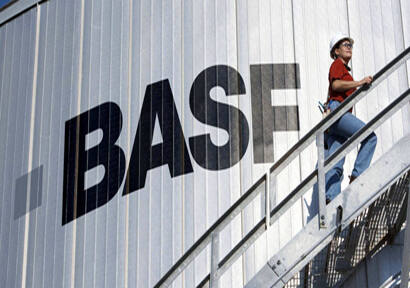
German chemicals giant, BASF, has announced its decision to stop Toluene diisocyanate (TDI) production at its Ludwigshafen production facility, due to fall in Water levels in the Rhine river to an “all-time low”.
In a press statement, the company said the despite efforts to shift to alternative means of transport such as pipeline, trucks and rail, “not all raw materials can be supplied” to the site. “Therefore, BASF will have to stop the TDI production in Ludwigshafen,” it said. The restart of production will depend on improved Rhine water level, said BASF, adding it will be in “close contact” with customers.
TDI is a key chemical for production of polyurethane flexible foams and non-foam urethanes.
BASF had announced in August that it had to cut back part of its production due to low Rhine levels, but did not specify which products were affected.
Covestro, another key German chemicals player, had also that its operations were interrupted by the low water levels in Rhine. The company had lowered earnings (EBITDA) to “slightly below” the level of 2017 due to stronger-than-expected competition and the low water level of the Rhine river, which has resulted in production losses and higher logistics costs. The River rhine is a key transport route for the European chemical industry. This is because many of the industry’s plants are located on the river. Low water levels reduce the number of chemical barges that can navigate the river. This means lower production for plants on the river, such as Leverkusen, Dormagen and Ludwigshafen.

You May Interested In


High Quality β-Nicotinamide adenine dinucleotide CAS 53-84-9 NADwith ready stock and best price
$3/UNIT FOB


2026-09-27
Trade Alert
Delivering the latest product trends and industry news straight to your inbox.
(We'll never share your email address with a third-party.)

Related News
-
Pharma Tariff Risk Pushes Global Drugmakers to Rebuild U.S. Supply Chains
-
Hormuz Closes, Paint Feels It First: How a Barrel of Oil Rewrites the Cost of Every Barrel of Coatings
-
Titanium Dioxide Prices Are Up Again! This Round of Increases Has One Real Driver: Sulfuric Acid
-
Hormuz in Crisis: Freight Rates Surge to $6,000 as Global Trade Feels the Shock
-
Kemira to Acquire SIDRA Wasserchemie, Expanding European Water Treatment Footprint
-
Laboratoire PYC showcases its collagen-driven nutricosmetic innovations
-
Middle East Conflict Pushes Up Oil Prices as More Than 100 Chemical Raw Materials Rise in Concentration
-
Redwall Raises Prices by as Much as 80%, Songwon Launches Global Increases, and Chemical Companies Are Collectively Passing On Costs
-
Can Lotte Chemical's Four Growth Pillars Support Its New Valuation After Spinning Off Basic Chemicals?
-
COIM Group Expands Alkyd and Acrylic Resin Production Capacity in the Netherlands
Recommend Reading
-
![Dietary Supplement Listing Debate Puts Nutrition Ingredients Under a Brighter Spotlight]()
Dietary Supplement Listing Debate Puts Nutrition Ingredients Under a Brighter Spotlight
-
![Jell-O Simply Shows Clean Label Reformulation Has Entered Legacy Brands]()
Jell-O Simply Shows Clean Label Reformulation Has Entered Legacy Brands
-
![New York’s Food Chemical Disclosure Bill Raises the Bar for GRAS Transparency]()
New York’s Food Chemical Disclosure Bill Raises the Bar for GRAS Transparency
-
![DKSH Opens Newly Enhanced Innovation Center in South Korea]()
DKSH Opens Newly Enhanced Innovation Center in South Korea
-
![Syngenta’s VIRESTINA Targets Resistant Weeds as Herbicide Innovation Regains Urgency]()
Syngenta’s VIRESTINA Targets Resistant Weeds as Herbicide Innovation Regains Urgency
-
![DMF Market Negotiation Focus Shifts Higher]()
DMF Market Negotiation Focus Shifts Higher
-
![EU Biocidal Data Protection Extension Raises the Stakes for Chemical Market Entry]()
EU Biocidal Data Protection Extension Raises the Stakes for Chemical Market Entry
-
![Raw materials weaken and demand is weak, the market focus of polyester bottle chips in September shifts downward]()
Raw materials weaken and demand is weak, the market focus of polyester bottle chips in September shifts downward
-
![Cost-Driven March Sees Roller-Coaster Market for Polyester Bottle Flakes]()
Cost-Driven March Sees Roller-Coaster Market for Polyester Bottle Flakes
-
![Dodecyl Acid: Industrial Uses and Chemical Characteristics]()
Dodecyl Acid: Industrial Uses and Chemical Characteristics






- Hot Searches
- where to buy anadrol
- colour brilliant blue
- boric acide
- dayquil vs nyquil ingredients
- scopolamine powder for sale
- 1 4 diisopropylbenzene market
- nr rubber price
- purchase red phosphorus
- bioglutide buy online
- sodium potassium mag sulfates 17.5 gram-3.13 gram-1.6 gram oral solution
- janoshik tirzepatide
- chemicals prices