Polymer Strengthens Itself Using Carbon
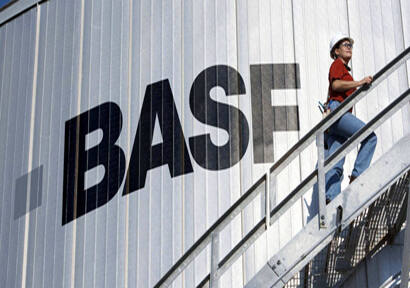
German chemicals giant, BASF, has announced its decision to stop Toluene diisocyanate (TDI) production at its Ludwigshafen production facility, due to fall in Water levels in the Rhine river to an “all-time low”.
In a press statement, the company said the despite efforts to shift to alternative means of transport such as pipeline, trucks and rail, “not all raw materials can be supplied” to the site. “Therefore, BASF will have to stop the TDI production in Ludwigshafen,” it said. The restart of production will depend on improved Rhine water level, said BASF, adding it will be in “close contact” with customers.
TDI is a key chemical for production of polyurethane flexible foams and non-foam urethanes.
BASF had announced in August that it had to cut back part of its production due to low Rhine levels, but did not specify which products were affected.
Covestro, another key German chemicals player, had also that its operations were interrupted by the low water levels in Rhine. The company had lowered earnings (EBITDA) to “slightly below” the level of 2017 due to stronger-than-expected competition and the low water level of the Rhine river, which has resulted in production losses and higher logistics costs. The River rhine is a key transport route for the European chemical industry. This is because many of the industry’s plants are located on the river. Low water levels reduce the number of chemical barges that can navigate the river. This means lower production for plants on the river, such as Leverkusen, Dormagen and Ludwigshafen.

You May Interested In


High Quality β-Nicotinamide adenine dinucleotide CAS 53-84-9 NADwith ready stock and best price
$3/UNIT FOB


2026-10-18
Trade Alert
Delivering the latest product trends and industry news straight to your inbox.
(We'll never share your email address with a third-party.)

Related News
-
Trump Tariff "Boomerang": $2.5 Billion Polysilicon Factory Faces Shutdown Crisis
-
China’s Chemical Time Bomb Just Got a Legal Fuse: The New Law That Could Save Thousands of Lives
-
U.S. Strikes Three Iranian Tankers as “Tanker-for-Tanker” Escalation Raises Chemical Shipping Risk
-
Panama Canal Delays Deeper Draft Cut, but Transit Capacity Is Still Tightening
-
Hormuz Closes, Paint Feels It First: How a Barrel of Oil Rewrites the Cost of Every Barrel of Coatings
-
Saudi Energy Facilities Hit as Middle East Feedstock Risk Spreads Toward the Red Sea
-
China Methanol Futures Hit Limit-Up as More Than 60% of Middle East Capacity Remains Offline
-
“Fake Fame” in a Forgotten Dock: Chinese Authorities Bust $100,000 Counterfeit Building Materials Ring
-
Asian Paints Dives Deeper into the Desert: Unveils Second UAE Plant to Dominate GCC Coatings Market
-
From Rust to Recharge: Novonix Ignites America’s Graphite Independence with Twin Mega-Plants in Chattanooga
Recommend Reading
-
![25 Companies Raise Prices Three Times Within a Month: China’s Titanium Dioxide Industry Shifts from “Price Wars” to a “Pricing Alliance”]()
25 Companies Raise Prices Three Times Within a Month: China’s Titanium Dioxide Industry Shifts from “Price Wars” to a “Pricing Alliance”
-
![Brazil Expands Chemical Tax Breaks as India’s Crop Protection Industry Warns of a 25% Cost Increase]()
Brazil Expands Chemical Tax Breaks as India’s Crop Protection Industry Warns of a 25% Cost Increase
-
![European Petrochemical Weakness Leaves Naphtha Oversupplied as Cracker Demand Struggles]()
European Petrochemical Weakness Leaves Naphtha Oversupplied as Cracker Demand Struggles
-
![Behind the Three Consecutive Titanium Dioxide Price Hikes, Sulfur and Sulfuric Acid Costs Are Rewriting the Pricing Floor]()
Behind the Three Consecutive Titanium Dioxide Price Hikes, Sulfur and Sulfuric Acid Costs Are Rewriting the Pricing Floor
-
![From “10,000-Ton Bet” to “5,000-Ton Test”: Acore’s Polyetheramine Dilemma—Is This a Symptom of Industry Winter or the Prelude to Strategic Retreat?]()
From “10,000-Ton Bet” to “5,000-Ton Test”: Acore’s Polyetheramine Dilemma—Is This a Symptom of Industry Winter or the Prelude to Strategic Retreat?
-
![Cyclohexane Market Prices Mainly Stable in China]()
Cyclohexane Market Prices Mainly Stable in China
-
![Ammonia Chemical Formula: NH3 Structure & Properties]()
Ammonia Chemical Formula: NH3 Structure & Properties
-
![EU Set to Seek Import Quotas on PET, Epoxy Resins and Fibreglass as Trade Curbs Reach Chemicals]()
EU Set to Seek Import Quotas on PET, Epoxy Resins and Fibreglass as Trade Curbs Reach Chemicals
-
![Benzyl Alcohol: Uses in Cosmetics, Preservative Efficacy, and Safety]()
Benzyl Alcohol: Uses in Cosmetics, Preservative Efficacy, and Safety
-
![March Ethylene Oxide Prices Surge 52.73% in China]()
March Ethylene Oxide Prices Surge 52.73% in China