Effects of White Phosphorus | General Information
Due to what Israel's military has committed to Gaza citizens recently, white phosphorus as a controversial weapon has caused great concern. From this, questions have been brought up: what is white phosphorus? What are the harmful effects of white phosphorus on the human body? This article will reveal everything you need to know about white phosphorus.
Properties of White Phosphorus
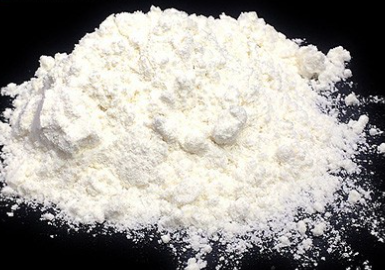
White phosphorus is a white translucent waxy solid with two properties.
For one, it is highly flammable. Once upon contact with air, it burns in air temperatures above 30 °C until it is fully oxidized. It burns at very high temperatures, usually 1500°C. At the same time, the burning phosphorus combines with water vapor in the air and forms a large amount of dense white smoke containing mixed phosphorus oxides.
For another, it is highly toxic, with a lethal dose of 0.25 grams. It is harmful to humans through all routes of exposure, such as the skin, eyes, and respiratory tract, causing great harm to human health and even death.
Uses of White Phosphorus
Based on its properties, white phosphorus is used in two main areas: industrial and military.
The industrial uses of white phosphorus include the production of phosphoric acid and phosphates. Phosphates are used to manufacture products such as fertilizers and detergents. Besides, white phosphorus is used as a rodenticide and in the production of fireworks.
In the military, white phosphorus is used to make smoke bombs, incendiary bombs, and other weapons. These white phosphorous shells are put into use to interfere effectively with the enemy's vision and actions.
Adverse Health Effects of White Phosphorus
While white phosphorus has an important role in the industrial and the military, it can be hazardous if not used properly. If white phosphorus is used illegally in a civilian environment as an incendiary weapon directed against humans, the effects of white phosphorus on the victims can be adverse, causing injuries in two main ways: burn injuries and vapor inhalation.
Burn injuries include thermal injuries and chemical injuries. When a white phosphorus bomb is dropped by aircraft at an altitude of 500 ~ 1000 meters, the fuse detonates the bomb, and the incendiary agent that explodes and scatters has white phosphorus material. We already know that white phosphorus will spontaneously combust once upon contact with air, and the burning temperature can reach more than 1000℃. This will ignite the incendiary agent and cause intense combustion. Once it comes into contact with the human body, it can cause fatal high-temperature burns.
At the same time, the phosphoric acid and metaphosphoric acid produced during the combustion process of white phosphorus can corrode the skin. The metaphosphoric acid can cause tissue burns and ulcers, which can destroy the skin's cellular structure and proteins, leading to wounds, ulcers, and the formation of keloid scars. Once these toxic chemicals come into contact with the skin, they will continue to burn violently until all the soft tissues of the person are “melted.” A sticky substance is also specially added to the incendiary agent, which can make the incendiary agent stick to the human body, resulting in maximum lethal effect.
Besides, the burning white phosphorus smoke contains phosphorus oxide and other toxic substances. Inhalation of these toxic substances may cause irritation and damage to the respiratory system, resulting in symptoms such as breathing difficulties, coughing, and chest pain. In addition, white phosphorus particles may cause corneal burns and perforations. Exposure to fumes from burning phosphorus may cause eye irritation, blepharospasm, photophobia, tearing, and conjunctivitis.
Apart from the adverse health effects of white phosphorus on the human body, the toxicity of white phosphorus may have a negative impact on the environment. The toxic compounds produced by burning white phosphorus in the smoke and residue can be deposited in the background, persisting for long periods and posing potential risks to humans and ecosystems.
Given the enormous physical and psychological trauma that white phosphorous munitions are capable of inflicting on human beings, their use as a weapon is regulated by several international conventions. Generally, It is unlikely for the population to be exposed to such a high level of white phosphorous. However, if you have any concerns about it, you may seek guidance from doctors.
Conclusion
White phosphorus has many applications in industry and the military because of its spontaneous combustion and toxic properties. However, if used as a weapon against humans, the effects of white phosphorus are fierce. The burning of white phosphorus causes severe thermal and chemical burns and toxic smoke on the body, causing lifelong suffering and even death to victims.
Looking for chemical products? Let suppliers reach out to you!
You May Interested In


Glow70/KLOW80 99% China Peptides Warehouse Direct Delivery Lyophilized Powder in Stock
$169/UNIT FOB


2026-10-16
Trade Alert
Delivering the latest product trends and industry news straight to your inbox.
(We'll never share your email address with a third-party.)

Related News
-
Oxalic Acid: Acidity (pKa), Sources, and Kidney Stone Risk
-
What is a Surfactant? (Definition, Types, and How They Work)
-
Sodium Metabisulfite: Properties, Uses, and Safety
-
Dicalcium Phosphate: Properties, Uses, and Applications
-
Cytosine: Structure, DNA Pairing, and Role in Genetics
-
Magnesium Chloride (MgCl₂): Properties, Uses, and Applications
-
Flavin Adenine Dinucleotide (FAD): Functions and Applications
-
Bovine Serum Albumin (BSA): Role in Cell Culture & Laboratory Applications
-
EDTA (Ethylenediaminetetraacetic acid): Chelation Therapy & Industrial Uses
-
Magnesium Stearate in Supplements: Is it Safe? (Vegan Status & Function)
Recommend Reading
-
![Polystyrene (PS): Properties, Foam Applications, and Recycling Challenges]()
Polystyrene (PS): Properties, Foam Applications, and Recycling Challenges
-
![Cocamidopropyl Betaine: Uses, Benefits, and Safety]()
Cocamidopropyl Betaine: Uses, Benefits, and Safety
-
![Applications of Caesium Iodide]()
Applications of Caesium Iodide
-
![Benzyl Alcohol: Uses in Cosmetics, Preservative Efficacy, and Safety]()
Benzyl Alcohol: Uses in Cosmetics, Preservative Efficacy, and Safety
-
![Hydrobromic Acid: Properties, Uses, and Safety]()
Hydrobromic Acid: Properties, Uses, and Safety
-
![Business Society Epoxy Chloropropane Daily Review: August 5, 2026—Tending to a Neutral-to-Bearish Consolidation]()
Business Society Epoxy Chloropropane Daily Review: August 5, 2026—Tending to a Neutral-to-Bearish Consolidation
-
![Business Society Styrene Daily Review: August 7, 2026—Fluctuating with a Slight Tendency to Strengthen]()
Business Society Styrene Daily Review: August 7, 2026—Fluctuating with a Slight Tendency to Strengthen
-
![Business Society Butadiene Daily Review: Fluctuating Within a Range on August 6, 2026]()
Business Society Butadiene Daily Review: Fluctuating Within a Range on August 6, 2026
-
![Business Society Propylene Oxide Daily Review: On August 6, 2026, a strong rebound (a bullish rebound) is expected in the short term.]()
Business Society Propylene Oxide Daily Review: On August 6, 2026, a strong rebound (a bullish rebound) is expected in the short term.
-
![Business Society Aniline Daily Report: August 6, 2026—Continued Upside Limited]()
Business Society Aniline Daily Report: August 6, 2026—Continued Upside Limited