




Lactalis-owned cheese firm linked to severe E. coli infections in young children
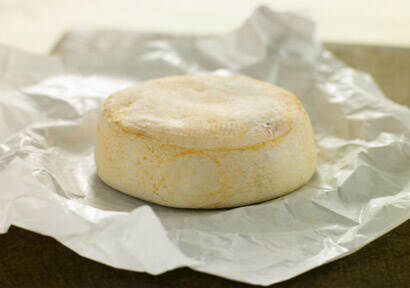
Two children, both younger than 3 years old, are ill in France after eating raw milk cheese contaminated with E. coli O26, according to authorities. The children have developed hemolytic uremic syndromes (HUS), a type of kidney failure that can be fatal, particularly in young children.
The French Ministry of Agriculture and Food said the infections were “severe” but did not mention their current state of health.
The children live in the same part of France. Both ate raw milk reblochon – a type of cheese – produced by the company Fromagère d’Eteaux, which is part of the Lactalis group. A 2017 Salmonella outbreak was traced to the Lactalis company’s infant formula. The outbreak sickened 38 babies in France, two in Spain and one in Greece last year. The formula, which was ultimately recalled, had been distributed to more than 80 countries
Reblochon packaged under the brands Pochat and Beulet, with health mark FR 74 116 050 CE and made on the Eteaux site of the company in the Haute-Savoie region of the country have been withdrawn from the market.
The Pochat et fils 450-gram cheese has lot number 185394214 and date Dec. 24, 2018. The Beulet brand is also 450-grams but has lot number 185394230 and date Dec. 10, 2018.
Investigations are ongoing by the company and at the dairy farms to determine the source of E. coli O26 contamination. Analysis by the producer on the implicated batch at the beginning of the manufacturing process did not reveal contamination with E. coli O26. However, retrospective analyzes on a sample of cheese kept by them did reveal contamination with the pathogen.
French authorities urged people who had bought the cheeses not to consume them – especially young children, pregnant women, immunocompromised people and the elderly – and to return them to where they were purchased.
The French Ministry of Agriculture and Food advised that, as a precaution, raw milk cheeses should never be eaten by young children and types such as Emmental and Comté processed and pasteurized cheese should be preferred.
Santé Publique France and the National Reference Center for E. coli are continuing enhanced surveillance of hemolytic uremic syndrome that may occur following consumption of products contaminated with E. coli O26 to detect potential new cases related to this outbreak.
Symptoms include abdominal cramps and diarrhea that may progress to bloody diarrhea. The period can range from three to eight days and most patients recover within 10 days.
Santé Publique France, the national public health agency, is also still investigating an outbreak of Salmonella linked to raw milk cheese that has 83 possible cases. Fifteen people were hospitalized for salmonellosis but no deaths were reported.
The French Ministry of Agriculture and Food said the outbreak had been traced to reblochon made by Fromagerie De La Tournette. The company recalled certain cheeses last month. Products were also distributed to Austria, Belgium, Germany and Italy.
The outbreak link was made from consumption history of patients and not from positive sampling of the cheese. Sixty-five patients have been interviewed about symptoms and food consumption history. Of these, 80 percent reported eating reblochon made with raw milk before onset of illness.
Looking for chemical products? Let suppliers reach out to you!

You May Interested In


2026-07-14
-

Functional Ingredients Industry Overview
Collection of Markets for Functional Ingredients in Food & Nutrition and Cosmetics.Published in: Mar. 2026
Trade Alert
Delivering the latest product trends and industry news straight to your inbox.
(We'll never share your email address with a third-party.)

Related News
-
From bovine colostrum to cookie wafer ice cream: Winners of 5th Real California Milk Excelerator Revealed
-
Givaudan announces divestiture of processed cheese business
-
FDA Color Policy Uncertainty Opens a New Chapter for Food Ingredient Reform
-
New York’s Additive Ban Signals a Tougher Era for Food Formulation
-
EU Proposes Approval of Triacylglycerol Lipase as Food Additive
-
EFSA Deems Extended Use of Bacillolysin Enzyme Safe
-
EFSA Publishes Peer Review on Fungicide Prothioconazole
-
EU Alerts on Non-Compliant Chinese Oyster Sauce and Miso Exports
-
EFSA Finds Lavender Tincture Feed Additive Safe for All Animals
-
FDA Dye Pledges Push Natural Colors Into the Mainstream
Recommend Reading
-

Supplement Recall Puts Nutrition Ingredient Safety Back Under Pressure
-
Do You Know the Food Zero Additives?
-
EFSA Evaluates Extended Use of Pasteurised Akkermansia muciniphila as a Novel Food
-

Brazil Confirms 32 Methanol Poisoning Cases Linked to Contaminated Alcoholic Beverages
-

EU Officially Approves Rapeseed Oil as a Low-Risk Active Substance Until 2040
-

Iran Closes Strait of Hormuz to All Vessels: Global Chemical Trade Gets Choked
-
Cost Support and Tightening Supply Fuel March Toluene Market Rally
-

This Week's Aniline Market Stabilizes in China (5.4-5.8)
-

In March, the price of maleic anhydride in China rose significantly
-
This Week's Activated Carbon Prices Decline (5.4-5.8) in China