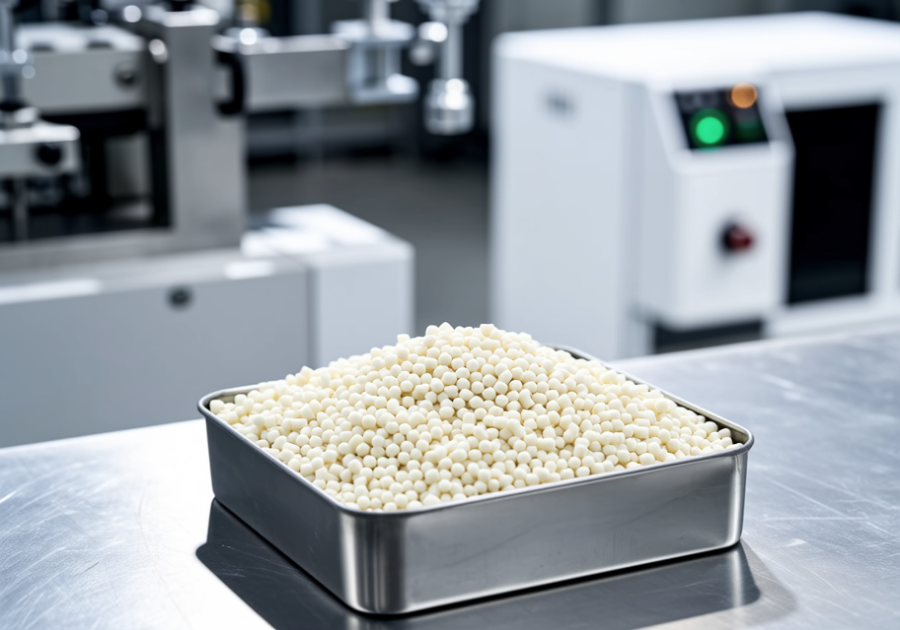
Hydrolyzed Collagen vs Collagen | Detailed Overview
This article aims to reveal the ins and outs of hydrolyzed collagen vs collagen, illuminating their differences, advantages, and considerations for you to make a well-informed decision. Collagen has been established as a leading figure amidst the evolution of beauty and wellness establishing itself as the ultimate path towards youthful skin, healthy joints, and overall wellbeing.
Before diving into the debate about hydrolyzed collagen vs collagen, let’s go through the unique characteristics and benefits of these molecules separately. The further section explains the concept related to these molecules.
Understanding Collagen:
Collagen, which is the most common protein in human composition, provides the framework for tissues such as skin, bones, ligaments, and tendons. It is an active component in the preservation of skin elasticity, joint flexibility and overall tissue stability that promotes its demand for healthy and beauty product creation. Collagen as one of the most popular components used in cosmetics, has different forms and is often sourced from connective tissues of animals, for example, cowhide or fish scales.
Collagen in its Intact Form:
Collagen supplements used in the past are characterized by adding collagen into its undernatured state. In this way, the structure of protein does not change, and it reflects the true collagen that is naturally present in the body. There are several types of these supplements, including Type I, II, and III collagen that are supposed to address the peculiar needs of the different body parts. For instance, Type I collagen is largely observed in skin, bones, and tendons while Type II is present in cartilage.
Benefits of Collagen:
It is believed that by consuming collagen, one benefits from the fact that skin elasticity is improved, joint health is enhanced, and support is offered to the connective tissue. Traditional collagen supplements can help alleviate wrinkles, stimulate hair and nail growth as well as provide non-dehydration of the skin. Besides, they can support the process of joint lubrication as well as maintenance of healthy cartilage making these drugs popular for people who have a need to get relief from the discomfort in joints and enhance them to move freely.
The Breakdown Process of Hydrolyzed Collagen:
Collagen which has been hydrolyzed goes through an enzymatic or chemical process called hydrolysis and generates small collagen peptides from intact collagen molecules. This leads to the formation of collagen peptides that are bioavailable and hence can be used by the body Hydrolyzed collagen molecules are reported to be much smaller in size, an aspect that is thought to boost bioavailability by enhancing absorption during digestion.
Benefits of Hydrolyzed Collagen:
One of the major benefits of hydrolyzed collagen is its greater bioavailability. The fact that this peptide has a relatively smaller size is an advantage because it allows for better absorption, which makes this supplement one of the most efficient collagen supplements. Collagen hydrolysate is commonly promoted as an aid to improving skin status, enhancing the function of joints, and aiding muscle recovery. Moreover, the digestive system can better take up hydrolyzed collagen and thus the results occur faster than when using other forms.
Differences in Absorption:
The essential difference that can be observed between hydrolyzed collagen vs collagen is the concentration of their absorption. Although intact collagen needs more break up in the digestive tract before absorption, hydrolyzed collagen’s smaller peptides are absorbed easily and quickly therefore it may be associated with faster and more distinct impacts. This distinction is critical for people who want particular benefits, such as rapid skin improvement or getting support for the joints.
Considerations for Collagen Sourcing:
Another thing to take into consideration while making a decision between hydrolyzed collagen vs collagen is the from which the collagen is obtained. Collagen synthesis is possible from different animal tissues such as bovine (cow), porcine (pig), marine (fish), and poultry sources. The source of collagen used in the synthesis process can be influenced by dietary restrictions, concerns about ethics in product production and the possibility of allergies. For instance, marine collagen is a preferred alternative for people with beef or pork sensitivities while bovine collagen is very convenient due to its multifacetedness.
Contemplating Dietary Preferences:
However, the traditional collagen supplement sources can pose a challenge for people who are practising certain dietary lifestyles such as vegetarianism or vegans since such supplements are mainly derived from animal tissues. In such instances, pseudo-meat products comprising vegetarian substitutes or nutraceuticals that promote collagen synthesis, such as vitamin C and silica, can be considered. In contrast, it should be clarified that non-collagen plant sources are more like nutrients providing support to natural collagen synthesis processes.
Combination Products: The Best of Both Worlds
While the need to supplement collagen continues to rise, manufacturers are responding by bringing combination products into the market, which fix hydrolyzed collagen and whole collagen. This hybrid method is aimed to benefit from the advantages of higher bio-availability from hydrolyzed collagen while keeping the holistic benefits associated with intact collagen. The combination products provide a full-scale remedy to individuals looking for a complete supplement for collagen.
Addressing Allergies and Sensitivities:
People with allergies or intolerance of one or other sources of collagen should look through product labels very carefully. The collagen supplements contain some traces of allergenic between the source material and this requires very careful tests on the ingredients. Open labelling and allergen information on food products give control to consumers regarding dietary considerations, as they can choose what suits the needs of their bodies.
Scientific Evidence and Research:
Although collagen supplementation proves increasingly popular, it is crucial to know that science on the efficacy of collagen is a dynamic implementation. Research on collagen as a beauty agent, joint pain reduction, and general health benefits is rife; however, only further studies can determine definite conclusions. Moreover, the particulars of hydrolyzed collagen vs collagen should also be investigated in more detail to avoid confusion between their function and mechanism of action.
Tailoring Collagen Choices to Individual Goals:
Finally, it comes to the question of whether hydrolyzed collagen vs collagen, should be chosen and it depends on preference, objectives towards one’s health and more. People who value instant absorption and possibly faster outcomes tend toward using hydrolyzed collagen, while those who consider a more holistic perspective use traditional collagen supplements. Additionally, combination products create a compromise of sorts for those who want to have a balance in collagen supplementation.
Conclusion:
Hence, in the debate about hydrolyzed collagen vs collagen, the choice boils down to addressing independent demands, preferences and the intended result. This is determined by whether one prefers to take intact collagen for therapeutic benefits or the hydrolyzed version that offers excellent bioavailability. The most important consideration is the dietary habits, lifestyle, and health goals of an individual. Collagen is unraveling in the beauty and wellness market, so to give consumers the upper hand when sorting out collagen with confidence, it is important to know about the subtle differences in different forms of collagen.
Looking for chemical products? Let suppliers reach out to you!
You May Interested In


2026-10-04
Trade Alert
Delivering the latest product trends and industry news straight to your inbox.
(We'll never share your email address with a third-party.)

Related News
-
Sodium Dodecyl Sulfate (SDS): Properties, Uses, and Safety
-
Polystyrene (PS): Properties, Foam Applications, and Recycling Challenges
-
Magnesium Stearate in Supplements: Is it Safe? (Vegan Status & Function)
-
EDTA (Ethylenediaminetetraacetic acid): Chelation Therapy & Industrial Uses
-
Calcium Hypochlorite: Properties, Uses, and Safety
-
Bivalirudin: Medical Uses, Properties, and Safety
-
Reactions and Uses of Ammonium Dichromate
-
Key Reactions of Cobalt Chloride
-
Applications of Aluminium Orthophosphate
-
Chemical Properties and Applications of Cyclopropen
Recommend Reading
-
![A New Weapon Against Spider Mites: Canada Moves to Approve Novel Miticide for Greenhouse Growers]()
A New Weapon Against Spider Mites: Canada Moves to Approve Novel Miticide for Greenhouse Growers
-
![Acetophenone: Properties, Uses, and Applications]()
Acetophenone: Properties, Uses, and Applications
-
![TBHQ: Uses, Safety, and Health Effects]()
TBHQ: Uses, Safety, and Health Effects
-
![Sodium Percarbonate: Uses, Benefits, and Safety]()
Sodium Percarbonate: Uses, Benefits, and Safety
-
![Acetonitrile: Properties, Uses, and Safety]()
Acetonitrile: Properties, Uses, and Safety
-
![Cost Reversal & Weak Supply and Demand: Polypropylene Prices Consolidate at High Levels]()
Cost Reversal & Weak Supply and Demand: Polypropylene Prices Consolidate at High Levels
-
![This week, the coke market in China was mainly weak.]()
This week, the coke market in China was mainly weak.
-
![Business Society, September 24, 2026: ABS Market Outlook – Volatile and Bearish]()
Business Society, September 24, 2026: ABS Market Outlook – Volatile and Bearish
-
![Maintenance Concentration Leads to Cost Decline; April PP Market Experiences Volatile Performance]()
Maintenance Concentration Leads to Cost Decline; April PP Market Experiences Volatile Performance
-
![This week, the market price of pure benzene in China has risen (9.21-9.24)]()
This week, the market price of pure benzene in China has risen (9.21-9.24)