TBHQ: Uses, Safety, and Health Effects
If you have ever looked at the ingredient list of snacks, frozen meals, or cooking oils, you might have seen “TBHQ” listed near the bottom. Many people wonder whether it’s safe and why it’s used. The short answer: TBHQ—short for tertiary butylhydroquinone—is a synthetic antioxidant that helps prevent food spoilage. But like many additives, understanding its benefits and limitations is key to making informed choices. This article explores TBHQ as food preservative, its chemical properties, how it compares to other antioxidants (TBHQ vs other antioxidants), and its role in processed foods.
What is TBHQ?
TBHQ (tertiary butylhydroquinone) is a synthetic antioxidant derived from hydroquinone and butane. It’s primarily used to extend the shelf life of oils and fats in foods that are prone to oxidation. When fats oxidize, they turn rancid, producing off-flavors and odors. TBHQ prevents this by stabilizing free radicals and delaying oxidation reactions. Regulatory agencies such as the U.S. Food and Drug Administration (FDA) and the European Food Safety Authority (EFSA) permit TBHQ in limited amounts—typically up to 0.02% of the oil or fat content in foods.
TBHQ as Food Preservative
- Prevents oxidation: TBHQ protects oils, fats, and fried foods from spoilage by inhibiting oxidative degradation.
- Extends shelf life: Common in packaged snacks, instant noodles, and processed meats to maintain freshness during storage.
- Stabilizes flavor: Prevents “off-taste” in foods containing polyunsaturated fats or vegetable oils.
- Used in cosmetics and biodiesel: Besides food, TBHQ also stabilizes fats in personal care products and fuels.
TBHQ Chemical Properties
- CAS Number: 1948-33-0
- Chemical Formula: C10H14O2
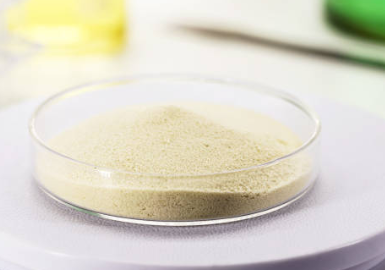
- Appearance: White to light tan crystalline powder
- Melting Point: Around 126°C
- Solubility: Slightly soluble in water; soluble in oils and ethanol
- Function: Acts as a phenolic antioxidant by donating hydrogen atoms to neutralize free radicals.
TBHQ vs Other Antioxidants
| Antioxidant | Type | Common Uses | Relative Stability |
|---|---|---|---|
| TBHQ | Synthetic phenolic | Fried foods, snacks, oils | High thermal stability |
| BHA | Synthetic phenolic | Cereals, chewing gum, butter | Moderate stability |
| BHT | Synthetic phenolic | Snack foods, cosmetics | Good at low temperatures |
| Vitamin E (tocopherol) | Natural antioxidant | Natural oils, supplements | Lower stability under heat |
TBHQ in Processed Foods
TBHQ is commonly found in processed foods where fat stability is crucial. Examples include chips, instant noodles, microwave popcorn, and frozen fried items. It helps these foods maintain flavor and texture even after months of storage. According to the FDA, the typical exposure to TBHQ in an average diet is well below the acceptable daily intake (ADI) of 0–0.7 mg/kg body weight established by the Joint FAO/WHO Expert Committee on Food Additives (JECFA).
Health and Safety Considerations
- At approved levels, TBHQ is considered safe by major health authorities.
- High doses in animal studies have shown potential for toxicity and cell stress, but these levels are far above normal dietary exposure.
- Some sensitive individuals may experience mild symptoms such as nausea when consuming excessive processed foods high in TBHQ.
- Regulatory agencies continuously review its safety profile to ensure consumer protection.
How to Reduce TBHQ Intake
- Choose fresh, whole foods over highly processed products.
- Cook with unprocessed vegetable oils instead of deep-fried packaged snacks.
- Read ingredient labels and be aware of preservatives like TBHQ, BHA, or BHT.
Conclusion
TBHQ serves an important role in maintaining food quality and safety by preventing oxidation. While it is safe within regulated limits, limiting the intake of processed foods can help reduce exposure to synthetic additives overall. Understanding TBHQ chemical properties and how it compares to other antioxidants helps consumers make informed dietary choices.
Looking for chemical products? Let suppliers reach out to you!
You May Interested In


2026-10-08
Trade Alert
Delivering the latest product trends and industry news straight to your inbox.
(We'll never share your email address with a third-party.)

Related News
-
Imidazole: Heterocyclic Chemistry, Antifungal Drugs, and Buffer Systems
-
Chemical Properties of Dibenzylideneacetone
-
Chemical Reactions and Uses of Stilbene
-
Uses of Dithiothreitol in Laboratories
-
Dicalcium Phosphate: Properties, Uses, and Applications
-
Magnesium Chloride (MgCl₂): Properties, Uses, and Applications
-
Flavin Adenine Dinucleotide (FAD): Functions and Applications
-
Uses of Sodium Citrate Dihydrate in Food Industry
-
Uses and Properties of Chromium Oxide
-
Chemical Properties and Uses of Caesium Fluoride
Recommend Reading
-
![What is Aconitic Acid? (Chemistry & Occurrence)]()
What is Aconitic Acid? (Chemistry & Occurrence)
-
![What are Acetoglycerides? (Definition & Food Industry Uses)]()
What are Acetoglycerides? (Definition & Food Industry Uses)
-
![Sodium Alginate: Properties, Uses, and Benefits]()
Sodium Alginate: Properties, Uses, and Benefits
-
![Sulfur Hexafluoride (SF6): Applications and Safety]()
Sulfur Hexafluoride (SF6): Applications and Safety
-
![Rubber Cement: Applications and Safety Guidelines]()
Rubber Cement: Applications and Safety Guidelines
-
![Premium Global Chemical Sourcing Requests (13-15Apr, 2026)]()
Premium Global Chemical Sourcing Requests (13-15Apr, 2026)
-
![April Acetic Acid Market Slides Sharply]()
April Acetic Acid Market Slides Sharply
-
![April Isopropyl Alcohol Market Price Rises First, Then Falls]()
April Isopropyl Alcohol Market Price Rises First, Then Falls
-
![Multiple Factors Interwoven, Short-Term Fluctuations in Polyethylene]()
Multiple Factors Interwoven, Short-Term Fluctuations in Polyethylene
-
![Industry inventory accumulation pushes acrylonitrile prices to five-year low in China]()
Industry inventory accumulation pushes acrylonitrile prices to five-year low in China