




Sodium Dodecyl Sulfate (SDS): Properties, Uses, and Safety
Sodium Dodecyl Sulfate (SDS) might not sound familiar at first, yet it’s present in both your bathroom and the research lab down the hall. This white, powdery compound acts as a surfactant—breaking down grease, dispersing particles, and even helping scientists study proteins. Whether you encounter it in a shampoo bottle or a biochemistry textbook, understanding what SDS does and how to handle it responsibly matters.
What Is Sodium Dodecyl Sulfate?
SDS, also known as Sodium Lauryl Sulfate (SLS) in commercial settings, is an anionic surfactant made up of a 12-carbon chain with a sulfate group attached. This structure gives it a “dual personality”—one end binds to oils, while the other loves water. Because of that, it’s remarkably effective at lifting away dirt and breaking down cell membranes.
The National Center for Biotechnology Information (NCBI) identifies SDS as both a detergent and a denaturing agent, a combination that explains its presence in laboratories and cleaning products alike.
Physical and Chemical Characteristics
| Property | Details |
|---|---|
| Chemical Formula | C12H25NaO4S |
| Molecular Weight | 288.38 g/mol |
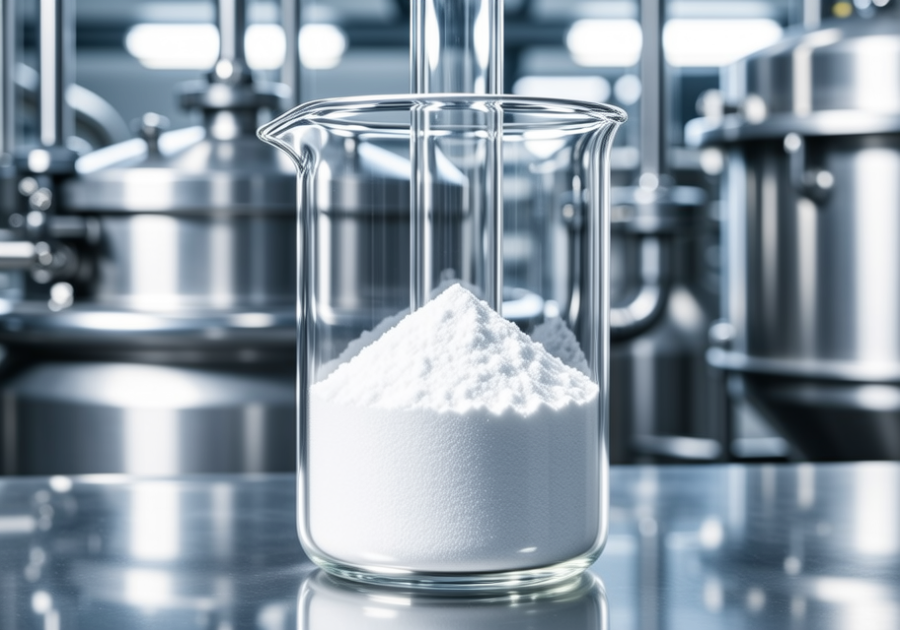
| Appearance | Fine white powder or flakes |
| Solubility | Highly soluble in water |
| Typical pH (1% solution) | Around 7–9 |
Everyday and Industrial Uses
Because it’s both strong and inexpensive, Sodium Dodecyl Sulfate uses extend far beyond one field. You’ll find it in:
- Shampoos and soaps: Producing the foamy lather that many people associate with “clean.”
- Detergents: A mainstay ingredient that removes oily residues and organic buildup.
- Pharmaceuticals: Used as a dispersing or emulsifying agent to help drugs mix evenly.
- Food production: Occasionally allowed in low quantities to stabilize emulsions.
- Scientific research: A staple in biochemical studies, particularly for protein separation.
SDS in Laboratory Experiments
Within the lab, SDS in lab experiments is practically indispensable. In molecular biology, SDS-PAGE (polyacrylamide gel electrophoresis) relies on it to unfold proteins and give them uniform negative charges. Once treated, proteins migrate through a gel purely according to size—helping researchers analyze their composition.
SDS is also found in buffer solutions for cell lysis and DNA extraction. Its role is simple but essential: to disrupt membranes and release cellular contents for study.
SDS vs SLS: Clearing Up the Confusion
Many people wonder about the difference between SDS vs SLS. Chemically speaking, they’re almost identical. The difference lies in how pure the compound is and where it’s used. Laboratory SDS is refined to higher purity standards, while SLS is the industrial version used in cosmetics and cleaning supplies. For experiments that require precision, SDS is the preferred option because impurities can alter results.
Safe Handling Practices
Even though SDS is not considered highly toxic, it can irritate the skin, eyes, and respiratory tract if handled carelessly. When following SDS safety handling protocols, keep these practices in mind:
- Wear gloves, goggles, and a lab coat to avoid contact.
- Use SDS in a ventilated space to prevent inhaling fine dust.
- Clean up spills with damp materials to reduce airborne particles.
- Store the chemical in a sealed, dry container away from moisture.
- Dispose of solutions following your lab or local environmental guidelines.
According to the European Chemicals Agency (ECHA), repeated exposure can lead to mild irritation or dryness, which is preventable with protective equipment and good hygiene.
Environmental Impact and Regulations
SDS breaks down relatively quickly in the environment but can still be harmful to aquatic species in large amounts. That’s why agencies such as the U.S. Environmental Protection Agency (EPA) and the European Food Safety Authority (EFSA) regulate its concentration in commercial products. Many manufacturers now opt for milder surfactants or use controlled formulations that balance cleaning power with sustainability.
Conclusion
Sodium Dodecyl Sulfate remains a cornerstone ingredient in both chemistry and daily life. It simplifies cleaning, enables advanced research, and continues to evolve toward safer and more eco-conscious use. When handled with respect and care, SDS demonstrates how a single molecule can bridge everyday convenience with scientific innovation.
Looking for chemical products? Let suppliers reach out to you!
You May Interested In


2026-10-04
Trade Alert
Delivering the latest product trends and industry news straight to your inbox.
(We'll never share your email address with a third-party.)

Related News
-
Vanillin: Properties, Uses, and Safety
-
Chemical Raw Materials: How to Source Quality Suppliers & Understand Grades
-
Sodium Chloride (NaCl): Food Grade vs Industrial Grade Uses & Safety Data
-
Permanganate: Properties, Uses, and Safety
-
What is Element Stibium? (Antimony Facts & Uses)
-
What is Amylum Starch? (Old Terminology & Modern Equivalent)
-
Iohexol: Properties, Uses, and Safety
-
Isobutyl: Properties, Uses, and Industrial Applications
-
Rubber Cement: Applications and Safety Guidelines
-
Salinity Solution: Preparation and Uses
Recommend Reading
-
![India Unleashes a Triple-Action Defender: Parijat Introduces NILANIX SC into the Rice Battlefront]()
India Unleashes a Triple-Action Defender: Parijat Introduces NILANIX SC into the Rice Battlefront
-
![France’s Vineyards Find a New Shield: Eden’s Mevalone Enters the Frontline of a Changing Fungicide Era]()
France’s Vineyards Find a New Shield: Eden’s Mevalone Enters the Frontline of a Changing Fungicide Era
-
![Benzyl Alcohol: Uses in Cosmetics, Preservative Efficacy, and Safety]()
Benzyl Alcohol: Uses in Cosmetics, Preservative Efficacy, and Safety
-
![Ammonia Chemical Formula: NH3 Structure & Properties]()
Ammonia Chemical Formula: NH3 Structure & Properties
-
![Oxalic Acid: Acidity (pKa), Sources, and Kidney Stone Risk]()
Oxalic Acid: Acidity (pKa), Sources, and Kidney Stone Risk
-
![Business Society September 23, 2026 Styrene Trend Analysis: Uptrend Confirmed]()
Business Society September 23, 2026 Styrene Trend Analysis: Uptrend Confirmed
-
![Raw Material Prices Boost Adipic Acid Prices in China]()
Raw Material Prices Boost Adipic Acid Prices in China
-
![Business Society’s Diesel Trend Analysis for September 17, 2026: Volatile Performance]()
Business Society’s Diesel Trend Analysis for September 17, 2026: Volatile Performance
-
![June Ammonium Sulfate Market Prices in China Plunge Significantly]()
June Ammonium Sulfate Market Prices in China Plunge Significantly
-
![Business Society September 23, 2026 Fuel Oil 180CST Trend Analysis: Volatility]()
Business Society September 23, 2026 Fuel Oil 180CST Trend Analysis: Volatility




- Hot Searches
- where can i buy reta peptide
- naphthenic rubber processing oil market
- tht chemical
- silver iodide for sale
- signoid volvulus
- retatrutide glp-3 for sale
- buy lignin
- acetic acid price
- ethylene vinyl acetate price
- sulphonated naphthalene formaldehyde price
- retatrutide where to purchase
- best online peptide store