Sodium Percarbonate: Uses, Benefits, and Safety
Sodium Percarbonate: Uses, Benefits, and Safety
If you are wondering whether Sodium Percarbonate is worth keeping in your cleaning arsenal, the answer is yes — provided you understand how to use it safely and effectively. This article explains what it is, how it works in cleaning (Sodium Percarbonate in cleaning), how it compares to traditional bleach (Sodium Percarbonate vs Bleach), its chemical properties (Sodium Percarbonate chemical properties), and how to store it properly (Sodium Percarbonate storage). Following Google’s E-E-A-T principles, the information is based on expert and authoritative sources.
What is Sodium Percarbonate?
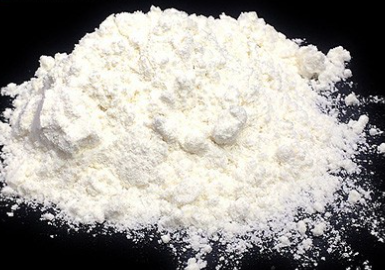
Sodium percarbonate is a compound of sodium carbonate and hydrogen peroxide. When dissolved in water, it releases hydrogen peroxide and sodium carbonate, which further decompose into water, oxygen, and soda ash. It appears as a white, granular or crystalline solid with the formula 2Na2CO3·3H2O2. This composition makes it an effective oxygen-based bleaching and cleaning agent.
Uses of Sodium Percarbonate
- Laundry and bleaching: Commonly used as a “color-safe bleach” alternative that brightens and deodorizes fabrics.
- General cleaning: Effective for removing stains, mold, mildew, and odors from tiles, grout, and upholstery.
- Water treatment: Used in aquaculture and pond maintenance to release oxygen and clean sediments.
- Eco-friendly cleaning products: Popular among green brands due to its safe decomposition into water, oxygen, and soda ash.
Benefits of Sodium Percarbonate
| Benefit | Explanation |
|---|---|
| Environmentally friendly | Breaks down into harmless compounds without leaving chlorinated residues. |
| Color-safe | Gentle on colored fabrics, unlike chlorine bleach which may strip dyes. |
| Effective stain remover | Releases oxygen that helps break down organic stains and neutralize odors. |
| Works in various temperatures | Active in warm to hot water; some formulations include activators for lower temperatures. |
| Versatile use | Suitable for laundry, household cleaning, and even algae control in ponds. |
Sodium Percarbonate vs Bleach
- Mechanism: Sodium percarbonate releases oxygen; chlorine bleach releases chlorine, making it harsher.
- Fabric safety: Percarbonate is color-safe; bleach can weaken fabrics and cause discoloration.
- Environmental impact: Percarbonate decomposes into non-toxic compounds, while bleach may form harmful by-products.
- Disinfection strength: Bleach disinfects faster; percarbonate acts more gently and requires warm water for best results.
Sodium Percarbonate Chemical Properties
- CAS Number: 15630-89-4
- Chemical formula: 2Na2CO3·3H2O2
- Appearance: White crystalline or granular solid
- Solubility: Soluble in water, acts as an oxidizing agent
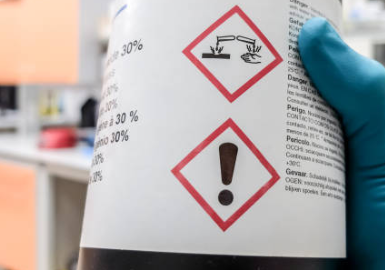
- Hazards: Oxidizer, may intensify fire and irritate skin or eyes if mishandled
- Decomposition: Produces sodium carbonate, oxygen, and water, which are environmentally benign.
Sodium Percarbonate Storage and Handling
- Store in a cool, dry, well-ventilated area away from moisture and heat.
- Keep containers tightly sealed to prevent loss of active oxygen content.
- Wear gloves and eye protection when handling concentrated powder.
- Avoid contact with acids, chlorine bleach, or combustible materials.
- Use fresh solutions within 5–6 hours for maximum effectiveness.
Practical Cleaning Tips
- Add 1 oz per laundry load for regular washing, 2–4 oz for heavy soils.
- For soaking: mix 1–2 oz per gallon of warm water and let fabrics soak 30–60 minutes.
- For surface cleaning: make a paste for grout or stubborn stains.
- Always test on a hidden area before applying to colored or delicate materials.
- Ensure good ventilation when using large quantities indoors.
Safety and Limitations
- Less powerful disinfectant than chlorine bleach but safer and gentler.
- May irritate eyes or skin if used without protection.
- Moisture exposure can reduce potency over time; proper storage is key.
Conclusion
Sodium percarbonate is a reliable, eco-friendly cleaner suitable for laundry and general household use. It offers an effective, fabric-safe, and sustainable alternative to traditional bleach. When stored and used correctly, it delivers strong cleaning performance without harming fabrics or the environment.
Looking for chemical products? Let suppliers reach out to you!
You May Interested In


Glow70/KLOW80 99% China Peptides Warehouse Direct Delivery Lyophilized Powder in Stock
$169/UNIT FOB


2026-10-25
Trade Alert
Delivering the latest product trends and industry news straight to your inbox.
(We'll never share your email address with a third-party.)

Related News
-
Calcium Sulfate: Properties, Uses, and Applications
-
A New Weapon Against Spider Mites: Canada Moves to Approve Novel Miticide for Greenhouse Growers
-
Key Reactions and Uses of Lithium Aluminum Hydride
-
Uses and Properties of 3-Methyl-1-Butanol
-
Glycopyrronium: Pharmaceutical Applications, Mechanism, and Chemical Specs
-
Uses and Properties of Copper Acetate
-
Methanol Methyl Alcohol vs Ethanol: Toxicity, Fuel Uses, and Industrial Solvent Safety
-
What is Sodium Hipoklorit? (Definition, Uses & Safety)
-
Sodium Nitrate: Fertilizer, Food Preservative, and Chemical Properties
-
Chemical Properties and Uses of Tetraetil
Recommend Reading
-
![Isoascorbic Acid: Uses and Safety]()
Isoascorbic Acid: Uses and Safety
-
![Understanding PCl5: Compound Name and Uses]()
Understanding PCl5: Compound Name and Uses
-
![Sulfuric Acid Reactions: With Sugar (Dehydration), Water, and Metals]()
Sulfuric Acid Reactions: With Sugar (Dehydration), Water, and Metals
-
![What is Serine? (Amino Acid Function & Sources)]()
What is Serine? (Amino Acid Function & Sources)
-
![Applications of Caesium Iodide]()
Applications of Caesium Iodide
-
![Business Society September 24, 2026 BDO Trend Analysis: Strong Volatility]()
Business Society September 24, 2026 BDO Trend Analysis: Strong Volatility
-
![Business Society October 20, 2026 Ammonium Sulfate Trend Analysis: Volatility]()
Business Society October 20, 2026 Ammonium Sulfate Trend Analysis: Volatility
-
![Business Society October 19, 2026 Methanol Trend Analysis: Mildly Weak Correction]()
Business Society October 19, 2026 Methanol Trend Analysis: Mildly Weak Correction
-
![Business Society October 19, 2026 Ethyl Acetate Trend Analysis: Volatility (Bearish)]()
Business Society October 19, 2026 Ethyl Acetate Trend Analysis: Volatility (Bearish)
-
![Business Society October 20, 2026 Melamine Trend Analysis: Clear Decline]()
Business Society October 20, 2026 Melamine Trend Analysis: Clear Decline