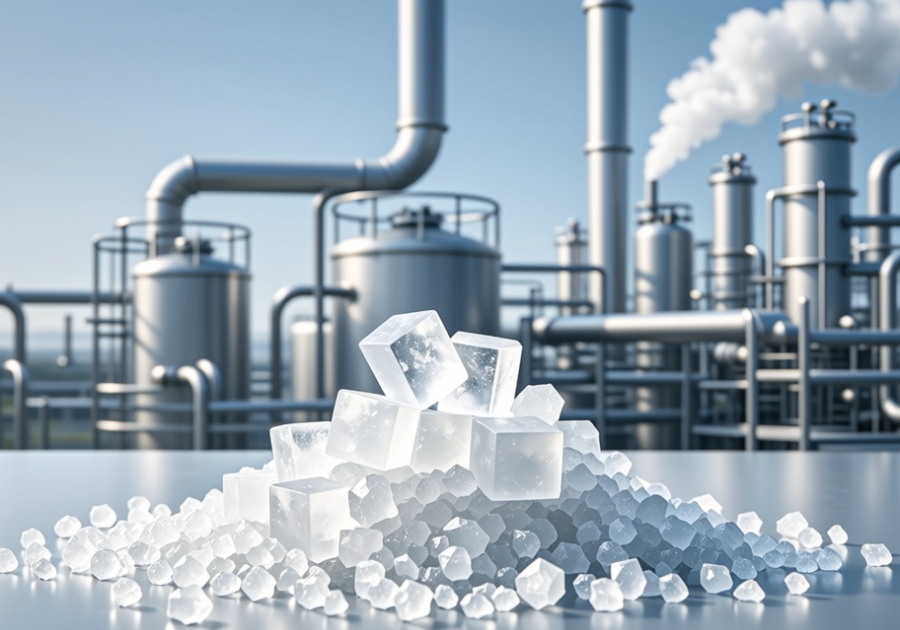
BASF begins using chemically recycled plastics as feedstock
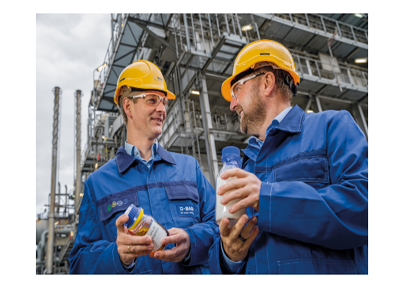
German chemicals giant, BASF, has said that it has, for the first time, manufactured products based on chemically recycled plastic waste.Chemical recycling provides an innovative way to reutilise plastic waste that is currently not recycled, such as mixed or uncleaned plastics. Depending on the region, such waste is usually sent to landfill or burned with energy recovery. However, using thermochemical processes, these plastics can be utilised to produce syngas or oils.
BASF said the resulting recycled raw materials from its ‘ChemCycling’ project can be used as inputs in its production network, thereby partially replacing fossil resources.
“A responsible use of plastics is crucial to solve the world’s waste problem. This applies to companies as well as to institutions and consumers. With chemical recycling we want to make a significant contribution in reducing the amount of plastic waste,” said Dr. Martin Brudermüller, BASF’s Chairman and Chief Technology Officer (CTO). “With our ChemCycling project, we are using plastic waste as a resource. In this way, we create value for the environment, society and the economy. We have joined forces with partners throughout the value chain to establish a working circular model,” he added.
Circular value chain
BASF said it is collaborating closely with its customers and partners, which range from waste management companies to technology providers and packaging producers, to build a circular value chain.
The company is already developing pilot products, including mozzarella packaging, refrigerator components and insulation panels, with 10 customers from various industries. “Manufacturing products that meet high quality and hygiene standards – which are specifically required for food packaging for example – is possible because the ChemCycling products supplied by BASF have exactly the same properties as products made from fossil resources,” the company informed.
BASF plans to make the first pro-ducts from the ChemCycling project commercially available.
ChemCycling
At the beginning of the production chain, BASF feeds oil derived from plastic waste into the integrated production Verbund. BASF gets this feedstock for the pilot products from the partner Recenso GmbH of Germany. As an alternative, syngas made from plastic waste can also be used. The first batch of this oil was fed into the steam cracker at BASF’s site in Ludwigshafen in October. The steam cracker is the starting point for Verbund production. It breaks down or “cracks” this raw material at temperatures of around 850°C. The primary outputs of the process are ethylene and propylene. These basic chemicals are used in the Verbund to make numerous chemical products. Under the mass balance approach, the share of recycled raw material can be mathematically allocated to the final certified product. Each customer can select the allocated percentage of recycled material.

You May Interested In


2026-10-04
Trade Alert
Delivering the latest product trends and industry news straight to your inbox.
(We'll never share your email address with a third-party.)

Related News
-
New Theme unlocked: “Advancing a Smarter, Circular Future - As One.” CHINAPLAS 2027 Drives the Industry-Wide Upgrade
-
BASF and Evonik Rumored Potential Acquisition or Merger
-
BASF and Thailand’s NEO Corporate Enter Joint Development Partnership in Personal Care
-
BASF Raises North American Nylon Products by $0.08/lb, Fourth Price Increase in Six Months
-
First New UV Filter in Nearly 27 Years: BASF's Tinosorb® S Approved by FDA, Marking a Historic Shift for the U.S. Sunscreen Market
-
Multiple Chemical Industry Leaders Post Strong H1 Earnings Growth as Sector Profitability Revives
-
The Crop Protection Patent Cliff Is Here
-
BASF's Intensified Moves from May to June: Plant Closures, Divestitures, and Transformation in Sync
-
EU Clears Carlyle's Acquisition of BASF's Coatings Business, but Demands Divestment of Nouryon's Polysulfide Assets: What Are the Underlying Risks?
-
BASF, Covestro, Huntsman Raise MDI Prices in North America Amid Global Supply Crunch
Recommend Reading
-
![IFF to Establish Scent Creative Center in Mumbai]()
IFF to Establish Scent Creative Center in Mumbai
-
![US Chemical Shutdown Wave Expands, PS Units Become the Hardest Hit Segment]()
US Chemical Shutdown Wave Expands, PS Units Become the Hardest Hit Segment
-
![BASF Personal Care Launches Ameriflor Calm]()
BASF Personal Care Launches Ameriflor Calm
-
![Brenntag and Momentive Expand Partnership to the Philippines]()
Brenntag and Momentive Expand Partnership to the Philippines
-
![Covestro Builds New 660,000-ton MDI Plant in China: Global Supply Gap Meets Chinese Overcapacity Head-On]()
Covestro Builds New 660,000-ton MDI Plant in China: Global Supply Gap Meets Chinese Overcapacity Head-On
-
![June Ethyl Acetate Market Continues to Decline in China]()
June Ethyl Acetate Market Continues to Decline in China
-
![June Acetic Acid Market Trends: First Decline, Then Rise]()
June Acetic Acid Market Trends: First Decline, Then Rise
-
![Cyclohexane Market in Low Demand Season with High Inventory Levels]()
Cyclohexane Market in Low Demand Season with High Inventory Levels
-
![June Ammonium Sulfate Market Prices in China Plunge Significantly]()
June Ammonium Sulfate Market Prices in China Plunge Significantly
-
![Business Society’s PTA Market Outlook on August 18, 2026: Rising]()
Business Society’s PTA Market Outlook on August 18, 2026: Rising