Choline bitartrate vs phosphatidylcholine| Detailed Explanation
Choline has been an essential nutrient for humans to keep fit. It can be seen there are several different forms of choline supplements, such as hydrochloride bitartrate and phosphatidylcholine. While each of these ingredients has its unique properties, they all share a common purpose of supplementing choline into our bodies. Before we delve into the comparison: of choline bitartrate vs phosphatidylcholine, let’s start by understanding the role of choline.
The functions of choline for our body
As an important constituent of lecithin and nerve sphingolipids, choline plays an important role in membrane phospholipid synthesis, cell formation, and the growth and repair of tissues in young children.
First, it may promote brain development. Some studies show that choline is involved in intercellular signaling, which is beneficial for brain development and memory capacity. Choline is necessary for the formation of acetylcholine, a neurotransmitter that plays an important role in cognitive activities such as learning and memory, spatial working memory, attention, spontaneous movement, and exploratory behavior.
Furthermore, it can help promote fat metabolism. Adequate choline synthesizes sufficient VLDL, which transports TG from the liver, preventing and reducing excess TG deposition in the liver. Without choline, fat will accumulate in the liver and form a fatty liver. Choline is clinically applied to treat cirrhosis, hepatitis, and other liver diseases with good results.
Last but not least, choline is involved in intercellular signaling. Choline is necessary for the formation of acetylcholine, which is formed from choline molecules under the action of the enzyme choline acetylase, and plays a role in cellular messaging in cognitive activities such as learning and memory, spatial working memory, attention, spontaneous movement, and exploratory behavior.
In a word, choline plays an important role for humans. After exploring its health benefits for us, let’s do a comparison between different choline supplements: choline bitartrate vs phosphatidylcholine.
A detailed comparison: choline bitartrate vs phosphatidylcholine
As two kinds of important choline supplements, choline bitartrate and phosphatidylcholine share some common features; however, there are still some slight disparities between these two materials. In the following part, we will explore a detailed comparison: choline bitartrate vs phosphatidylcholine.
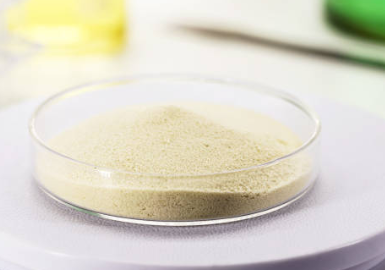
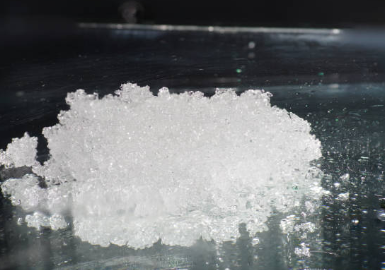
First, let’s see what is choline bitartrate. Hydrocholine tartrate is a white, moisture-absorbent crystalline powder with an acidic, odorless, or unpleasant trimethylamine odor; it is soluble in water, slightly soluble in ethanol, insoluble in chloroform, ether, and benzene, and is a salt of choline, which, like dihydrocholine citrate, is a nutrient booster and fat expectorant. It promotes fat metabolism and prevents the accumulation of fat in the liver. As a vitamin-based product, it is widely used in pharmaceuticals, nutraceuticals, and as a nutritional addition to food. If used in excess, it may cause side effects such as itching, rash, vomiting, and diarrhea.
Then, let’s find the definition of phosphatidylcholine. It is the most abundant phospholipid in the human body and is also an important component of nerve tissue, belonging to the high-level neurotrophins, mostly concentrated in the human brain nervous system, blood circulation system, immune system, heart, liver, lungs, kidneys and other important organs.
Phosphatidylcholine is an amphoteric molecule, which consists of a hydrophilic “head” - choline group and a hydrophobic “tail” - choline group. It consists of a hydrophilic "head", a choline group, and a hydrophobic "tail", a phosphatidylglycerolipid, which can be a variety of fatty acids. Usually, one tail is a saturated fatty acid (which can be palmitic acid, also called hexadecanoic acid; or heptadecanoic acid), and the other is an unsaturated fatty acid (such as oleic acid). But there are also some that are unsaturated fatty acids on both sides.
It can be seen that there are some differences between the two materials. In a study comparing phosphatidylcholine and hydrochloride bitartrate, researchers found that compared to other sources of choline, phosphatidylcholine produces higher levels of the important metabolites betaine and dimethylglycine (DMG), as well as lower levels of trimethylamine oxide (TMAO), which can cause health problems. Doses between 200 - 2,000 mg per day are ideal for phosphatidylcholine and doses between 500 - 2,000 mg per day are ideal for choline bitartrate.
Different forms of choline produce different rates of absorption and therefore work at different rates. Generally, you will notice the effects of choline supplementation in the first 15 - 30 minutes after consumption. Mental clarity, mental alertness, cognitive function, ability to concentrate, and mood are all improved after taking the proper dose of choline.
Conclusion
This article mainly gives a detailed comparison: of choline bitartrate vs phosphatidylcholine. It mainly explores the benefits of choline. Then, we find some similarities and differences between the two materials. Through a detailed introduction, we can get a clear understanding of them and how to choose between different choline products.
Looking for chemical products? Let suppliers reach out to you!
You May Interested In


Glow70/KLOW80 99% China Peptides Warehouse Direct Delivery Lyophilized Powder in Stock
$169/UNIT FOB


2026-10-23
Trade Alert
Delivering the latest product trends and industry news straight to your inbox.
(We'll never share your email address with a third-party.)

Related News
-
A New Weapon Against Spider Mites: Canada Moves to Approve Novel Miticide for Greenhouse Growers
-
Aluminum Oxide (Al2O3): Abrasive Uses, Ceramic Applications, and Safety
-
Sodium Nitrate: Fertilizer, Food Curing, and Explosive History
-
Isoascorbic Acid: Uses and Safety
-
Understanding PCl5: Compound Name and Uses
-
Heptane: Properties, Uses, and Industrial Applications
-
HNO2 (Nitrous Acid): Properties, Uses, and Safety
-
Uses and Properties of Copper Acetate
-
Chemical Properties and Applications of Cyclopropen
-
Key Reactions of Cobalt Chloride
Recommend Reading
-
![What is Aconitic Acid? (Chemistry & Occurrence)]()
What is Aconitic Acid? (Chemistry & Occurrence)
-
![What are Acetoglycerides? (Definition & Food Industry Uses)]()
What are Acetoglycerides? (Definition & Food Industry Uses)
-
![Sodium Alginate: Properties, Uses, and Benefits]()
Sodium Alginate: Properties, Uses, and Benefits
-
![Key Reactions and Uses of Lithium Aluminum Hydride]()
Key Reactions and Uses of Lithium Aluminum Hydride
-
![Uses and Properties of 3-Methyl-1-Butanol]()
Uses and Properties of 3-Methyl-1-Butanol
-
![Business Society October 12, 2026 Propylene Oxide Trend Analysis: Strong Consolidation (Bullish)]()
Business Society October 12, 2026 Propylene Oxide Trend Analysis: Strong Consolidation (Bullish)
-
![Business Society October 12, 2026 LDPE Trend Analysis: Strong Consolidation]()
Business Society October 12, 2026 LDPE Trend Analysis: Strong Consolidation
-
![Business Society’s PTA Market Outlook for September 3, 2026: Volatile]()
Business Society’s PTA Market Outlook for September 3, 2026: Volatile
-
![Multiple Positive Factors Drive Significant Increase in MTBE Market in China]()
Multiple Positive Factors Drive Significant Increase in MTBE Market in China
-
![Business Society September 2, 2026 Polyester Staple Fiber Market View: Fluctuation]()
Business Society September 2, 2026 Polyester Staple Fiber Market View: Fluctuation