NextGen Actives Launches Hot Product Apinol360 Propolis-Derived Retinol Alternative
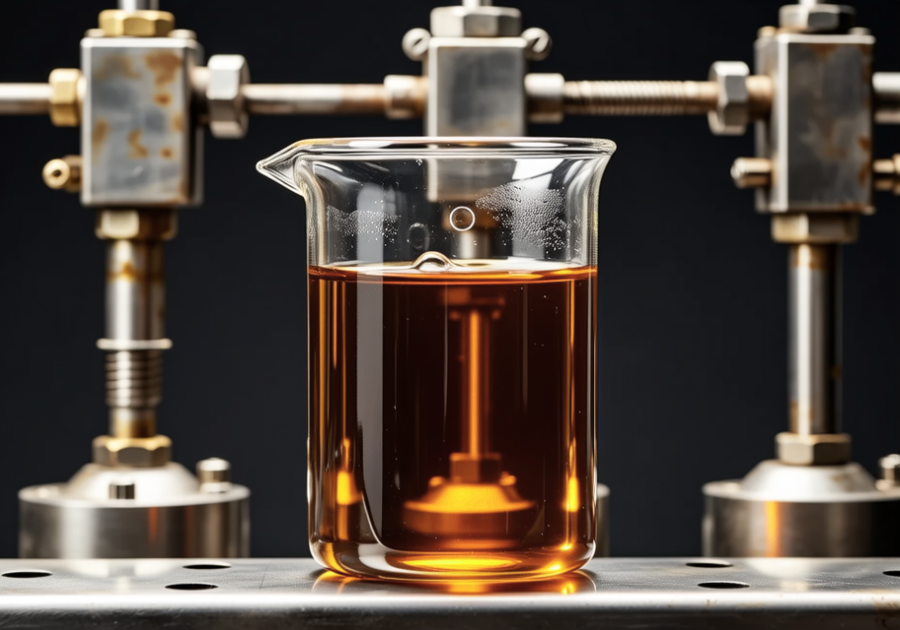
Biotech specialist NextGen Actives has launched Apinol360, a soy lecithin and propolis extract, an anti-inflammatory active ingredient positioned as a natural, safe alternative to retinol.
According to the company, the ingredient offers superior anti-aging benefits without the harsh side effects of traditional retinoids, such as skin dryness and irritation. Described as a “powerhouse” of antioxidants and antimicrobials, the product is clinically proven to reduce fine lines and wrinkles by more than 35% in 28 days at a 1.5% level.
The ingredient is derived from propolis, which is revered for its healing properties, and contains four essential phenolic compounds: p-coumaric acid, trans-ferulic acid, caffeic acid, caffeic acid phenethyl ester (CAPE).
NextGen Actives reports that ApiotiX Technologies uses a patented non-alcohol extraction process to ensure these bioactive compounds are isolated and preserved at the highest purity.
The result is a 15% concentrated solution with a “careful blend” of PEG-400 and lecithin to ensure stability and enhance delivery of Apinol360.
With its potent anti-inflammatory and antioxidant properties, Apinol360 is said to offer a comprehensive skin care approach that promotes healthy, youthful skin while addressing the growing demand for dermo-cosmetic active ingredients.
In addition, NexGen Actives notes that Apinol360 is a timely solution, given the recent EU restriction of retinol to 0.3%.

You May Interested In


High Quality β-Nicotinamide adenine dinucleotide CAS 53-84-9 NADwith ready stock and best price
$3/UNIT FOB


2026-10-18
Trade Alert
Delivering the latest product trends and industry news straight to your inbox.
(We'll never share your email address with a third-party.)

Related News
-
Substandard Drug Findings Expose Deep Structural Gaps in Medicine Quality Control
-
Minoxidil Safety Under Global Review as Infant Exposure Risks Surface
-
Indian Immunologicals Pushes Back on “Fake Vaccine” Claims Amid Global Supply Chain Scrutiny
-
Obesity Drugs Become Pharma’s Most Powerful Growth Engine
-
Fertilizer Costs Rise as Middle East Tensions Pressure Global Food Production
-
Fertilizer Costs Rise as Middle East Tensions Pressure Global Food Production
-
Middle East Conflict Exposes Fragility of Global Fertilizer Supply Chains
-
Platinum Chemotherapy Shortages Expose the Fragility of Essential API Supply
-
MDI Price Surge Hits EMEAI: Is This a Market Correction or the Beginning of a Supply Crisis?
-
Germany Passes Healthcare Reform, Multinational Drugmakers Face 15.5% Mandatory Discount
Recommend Reading
-
![“Deregulation” or “Concession”? The Hidden Crisis Behind India’s Repeal of QCOs on Seven Key Petrochemicals]()
“Deregulation” or “Concession”? The Hidden Crisis Behind India’s Repeal of QCOs on Seven Key Petrochemicals
-
![]()
"Zipper-Like" Opening and Closing of Hormuz Coupled with Russian Export Ban Send Energy and Chemical Prices Soaring
-
![Chemicals Take the Hit as China's Markets Thin Out — Wanhua, Juhua Chemical Slide Over 2%]()
Chemicals Take the Hit as China's Markets Thin Out — Wanhua, Juhua Chemical Slide Over 2%
-
![Chevron Opens Oilfield Chemical Technology to Rivals]()
Chevron Opens Oilfield Chemical Technology to Rivals
-
![Indorama Corporation Acquires 100% Stake in Anyang Zhongying Fertilizer]()
Indorama Corporation Acquires 100% Stake in Anyang Zhongying Fertilizer
-
![Aniline Prices Start High and End Low in 2025, How Will It Play Out in 2026 in China?]()
Aniline Prices Start High and End Low in 2025, How Will It Play Out in 2026 in China?
-
![Urea market prices fluctuated and rose in March in China]()
Urea market prices fluctuated and rose in March in China
-
![Geopolitical Premium Fades, Ethylene Glycol Prices Rapidly Decline]()
Geopolitical Premium Fades, Ethylene Glycol Prices Rapidly Decline
-
![Business Society September 28, 2026 Hydrogen Peroxide Trend Analysis: Volatility]()
Business Society September 28, 2026 Hydrogen Peroxide Trend Analysis: Volatility
-
![March Aniline Market Rises Sharply in China]()
March Aniline Market Rises Sharply in China