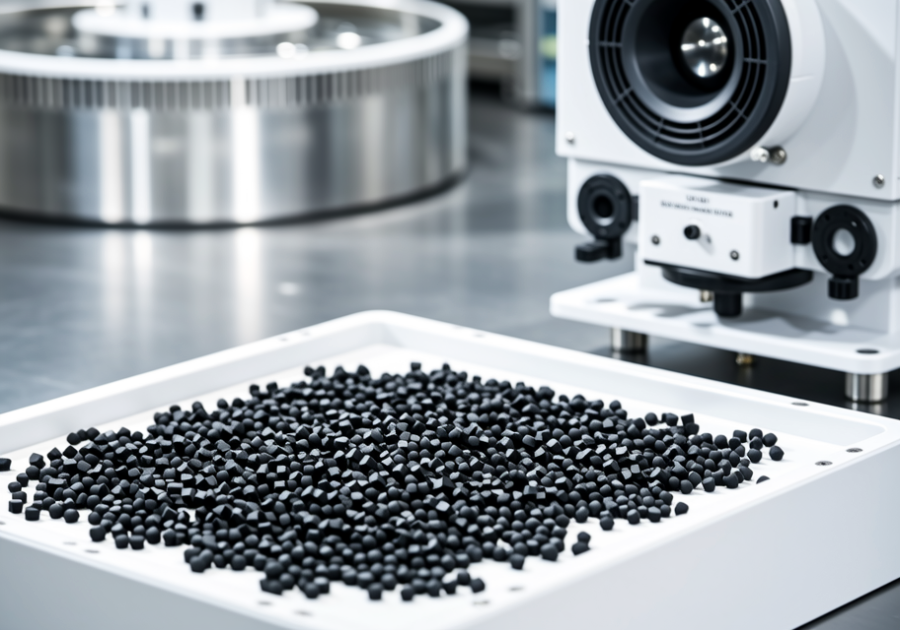
What is the role of ath alumina trihydrate in concrete?
1. Basic characteristics of ath aluminium trihydrate
Aluminium trihydrate is an artificially synthesized inorganic compound. It is a hydroxide of aluminium with the molecular formula Al(OH)3, referred to as ATH. Aluminium trihydrate has good high temperature stability and durability. When it reacts with water, it can generate a large amount of heat and release water molecules. Aluminium trihydrate can be used as a white powder or as a colloidal solution.
Aluminium trihydrate can react with both acid and strong base to produce salt and water, so it is also an amphoteric hydroxide. It has a certain acidity, so it can be called aluminic acid (H3AlO3); but when it actually reacts with alkali, it produces tetrahydroxyaluminate ([Al(OH)4]-), so it is usually regarded as monohydrated metaaluminate (HAlO2·H2O), and is divided into industrial grade and pharmaceutical grade according to its use.
2. The role of ath aluminium trihydrate in concrete
Specifically, aluminium trihydrate can play the following roles:
1) Enhance the strength of concrete. Aluminium trihydrate in concrete can generate a large amount of heat through hydration reaction and ensure that the water molecules in the concrete evaporate. This can enhance the compactness and strength of concrete.
2) Maintain the toughness of concrete. Aluminium trihydrate can improve the ductility of concrete, thereby making concrete more resilient to the influence of the external environment.
3) Improve the durability of concrete. Aluminium trihydrate can improve the waterproofness of concrete and prevent it from being eroded and oxidized by the atmospheric environment.
4) Delay the hardening time of concrete. Aluminium trihydrate can slow down the hardening process of concrete, thereby making the concrete more uniform and stable.
3. Benefits of using ath aluminium trihydrate in concrete engineering
Aluminium trihydrate has important application value in concrete engineering and can achieve the following purposes:
1) Extend the service life of concrete. Aluminium trihydrate can improve the durability and impermeability of concrete, thereby making the service life of concrete longer.
2) Save concrete raw materials. By adding an appropriate amount of aluminium trihydrate, the amount of cement used in concrete can be reduced, thereby reducing the cost of concrete.
3) Increase the efficiency of concrete construction. Adding an appropriate amount of aluminium trihydrate can make concrete more fluid, thereby improving the efficiency of concrete construction.
4. Precautions
When adding ath aluminium trihydrate to concrete, the following points should be noted:
1) Control the amount of addition: Adding an appropriate amount of aluminium trihydrate can improve the performance of concrete, but adding too much will have a negative impact on the performance and compressive strength of concrete.
2) Evenly mix: Before adding aluminium trihydrate, it needs to be fully mixed with other raw materials of concrete to ensure the uniformity of the addition effect.
3) Adjust the amount of addition according to the concrete mix ratio: When adding aluminium trihydrate to concrete, the amount of addition should be determined according to the concrete mix ratio and actual conditions to ensure that the performance and impermeability of the concrete meet the design requirements
In short, the application of aluminium trihydrate in concrete engineering has high economic and social benefits. Through scientific and robust use methods, the physical properties of concrete can be improved and the service life of concrete can be extended, thus making greater contributions to people's production and life.

You May Interested In


High Quality β-Nicotinamide adenine dinucleotide CAS 53-84-9 NADwith ready stock and best price
$3E+1/UNIT FOB


2026-10-25
Trade Alert
Delivering the latest product trends and industry news straight to your inbox.
(We'll never share your email address with a third-party.)

Related News
-
Global Chemical Inventories Hit Critical Lows as Over 200 Chinese Companies Suspend Quotations
-
Rising Naphtha Prices in Japan Drive Up Costs for Diapers, Sanitary Products, and Cosmetics
-
Lianolong Bets Big on Electronic Adhesives with $50M Strategic Stake in Sidofu
-
Rhine Drought Disrupts German Chemical Logistics, Raising Supply Risks for BASF, Covestro and Evonik
-
GLP-1 API Route to U.S. Abruptly Narrows: FDA Heavily Penalizes U.S. Compounding Pharmacy and Bypasses Warning Letter to Ban Chinese Factory
-
China’s PE, PP and PVC Exports Rise as Stockpile Releases Reshape Global Supply
-
Global Oil Inventories Fall: Restocking Demand May Keep Petrochemical Costs Supported
-
Chemicals Are Going Wild: Sulfur Surges 512%, Titanium Dioxide, Polyols and Sulfuric Acid Lose Control
-
Arkema Triples Transparent Polyamide Capacity in Singapore: a Bet on Virtual Reality Growth or a Move to Strengthen Supply Resilience?
-
Hengli Sanctions Spill Over: One Barrel of Iranian Crude Pulls an Aromatics Chain Into Risk
Recommend Reading
-
![Sichuan Unveils Revised List of 14 Qualified Chemical Parks in Major Industrial Realignment]()
Sichuan Unveils Revised List of 14 Qualified Chemical Parks in Major Industrial Realignment
-
![Syngenta’s VIRESTINA Targets Resistant Weeds as Herbicide Innovation Regains Urgency]()
Syngenta’s VIRESTINA Targets Resistant Weeds as Herbicide Innovation Regains Urgency
-
![Global Chemical Giants Light the Fuse: A TDI/MDI Price Storm Sweeps Asia and Europe—Who’s Fueling This “Cost Carnival”?]()
Global Chemical Giants Light the Fuse: A TDI/MDI Price Storm Sweeps Asia and Europe—Who’s Fueling This “Cost Carnival”?
-
![New York’s Food Chemical Disclosure Bill Raises the Bar for GRAS Transparency]()
New York’s Food Chemical Disclosure Bill Raises the Bar for GRAS Transparency
-
![Jell-O Simply Shows Clean Label Reformulation Has Entered Legacy Brands]()
Jell-O Simply Shows Clean Label Reformulation Has Entered Legacy Brands
-
![Acetic Acid Market Prices Show Strong Upward Trend]()
Acetic Acid Market Prices Show Strong Upward Trend
-
![Business Society September 29, 2026 Ethyl Acetate Trend Analysis: Volatility]()
Business Society September 29, 2026 Ethyl Acetate Trend Analysis: Volatility
-
![Premium Global Chemical Sourcing Requests (30 July-2Aug, 2026)]()
Premium Global Chemical Sourcing Requests (30 July-2Aug, 2026)
-
![August Activated Carbon Prices Fluctuate and Rise]()
August Activated Carbon Prices Fluctuate and Rise
-
![Business Society September 28, 2026 Petroleum Coke Trend Analysis: Volatility]()
Business Society September 28, 2026 Petroleum Coke Trend Analysis: Volatility