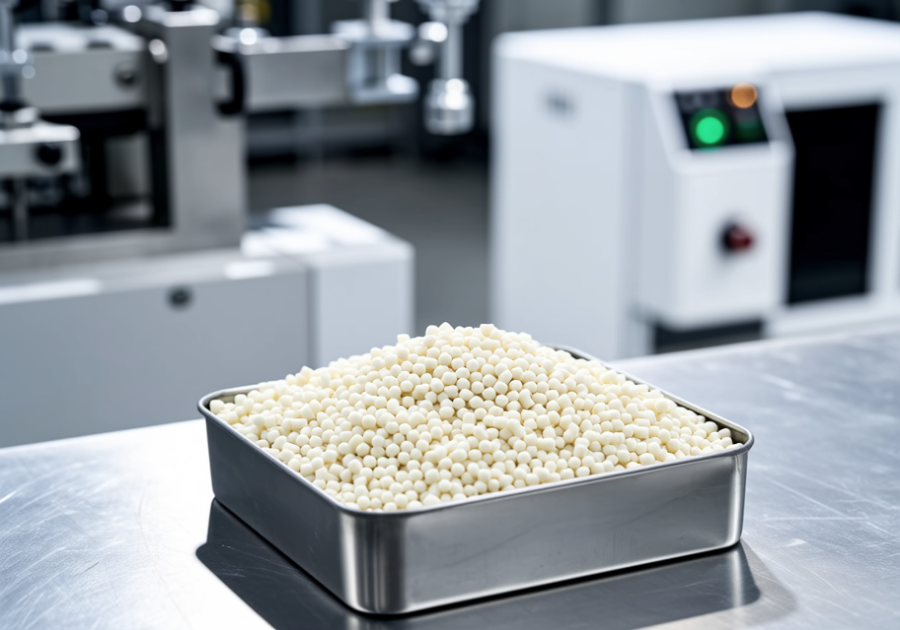
Zinc Oxide Animal Feed Supplement | Detailed Explanation
Zinc oxide animal feed supplement has been regarded as a cost-effective additive product with a clear anti-diarrhoeal effect, which is widely used in education and protection feeds with a very good effect of preventing piglet diarrhea. This article will give you scientific guidance on the use of zinc oxide animal feed supplement.
Why choose zinc oxide animal feed supplement?
According to the records, the incorporation of zinc oxide in aquaculture feeds started as early as 1988. Holm and Poulsen for the first time published an article in the scientific forum stating that adding 2500-4000ppm of pharmacological doses of zinc oxide to feed can effectively treat piglet diarrhea. This method was applauded as one of the pig’s nutrition science discoveries in twenty-first-century by Cromwell.
This is because zinc oxide is very effective, very cheap, and very easy to apply and its use has quickly grown throughout the farming community. It is most suitable for treating diarrhea of early weaning syndrome and the promotion of piglet growth.
In the animal body zinc is very vital part or an activator of many hormones and enzymes and as such they can be made to secrete or to work more when zinc is put to them. They were involved in proteins, fats, carbohydrates, and nucleic acids as well as hormone synthesis regulation.
In addition, zinc exerts an influence on the immune system, reproductive system, and visual system of animals. Therefore, adding an appropriate amount of zinc to animal feed can help improve the growth rate, immunity, and disease resistance of poultry, thus improving breeding efficiency.
How to choose a zinc oxide animal feed supplement?
In selecting a zinc oxide animal feed supplement, the following points should be noted:
(1) Select zinc oxide products from normal producers to guarantee the quality of the materials used in the making of zinc oxide products.
(2)The second significant thing is the degree of purity and the size of the particles of zinc oxide that are consumed; the smaller the particle size and the higher the purity level of Zinc oxide and the easier it is for animals to ingest.
(3) The incorporation of zinc oxide must be dependent on the species of the livestock and poultry and the stage of growth of the animals.It is best to meet the minimum zinc content of 150ppm in the basic standard.
(4) Zinc oxide and the other minerals used should be in good proportion to avoid affecting the growth and development of animals due to their imbalance.
Alternatives of zinc oxide animal feed supplement
Pharmacological levels of zinc oxide (above 2,000 mg/kg) are widely used for diarrhea control and growth promotion in weaned piglets. However, pharmacological levels of zinc oxide can cause environmental pollution and induce bacterial resistance to antibiotics.
Currently, many countries are proposing to ban the use of pharmacological levels of zinc oxide in piglets. In the United States and Canada, the National Feed Association has set the maximum limit of zinc in the diet at 500 mg/kg.
While in China, the Ministry of Agriculture and Rural Development (MARD) Circular No. 2625 stipulates that zinc oxide should not be added more than 1,600 mg/kg of elemental zinc to piglets in the first two weeks after they are weaned. Therefore, there is an urgent need to find alternatives to zinc oxide animal feed supplement to reduce zinc excretion and maintain normal pig production.
Animals need feeds with the right combination of nutrients to build disease resistance and fulfill their potential for healthy growth and productivity. As more countries regulate the use of antibiotics and zinc oxide, customized premixed feeds become even more important to overcome the health challenges encountered during the animal life cycle.
Currently, the main alternatives to zinc oxide animal feed supplement include organic zinc (zinc polysaccharides, zinc proteins, zinc amino acid chelates), inorganic zinc (zinc sulfate, alkaline zinc chloride), and modified zinc oxide (mineral-zinc oxide complexes, porous zinc oxide, encapsulated zinc oxide, nano-zinc oxide).
Among them, modified zinc oxide refers to zinc oxide that has been modified by physical or chemical methods, changing the zinc oxide form or properties, giving new performance, or improving the original properties of zinc oxide products. Modified zinc oxide has both the advantages of zinc oxide and other functional properties, which can meet the needs of aquaculture production.
Conclusion
Zinc oxide animal feed supplement is widely used in the agricultural industry, which can help livestock with zinc deficiencies and affect growth and general health. Zinc oxide is also added to fertilizers to supply vital elements that raise crop yields and improve soil quality. The European Union Food Safety Authority Expert Group recommends that zinc oxide when used as an animal feed additive, should contain not less than 72 percent zinc.
Looking for chemical products? Let suppliers reach out to you!
You May Interested In


2026-09-27
Trade Alert
Delivering the latest product trends and industry news straight to your inbox.
(We'll never share your email address with a third-party.)

Related News
-
Sodium Hydroxide (Caustic Soda): Soap Making, Cleaning, and pH Control Guide
-
Paraffin Wax vs. Beeswax: Candles, Cosmetics, and Industrial Applications
-
Lanolin: Benefits for Skin, Cosmetic Uses, and Allergy Risks
-
Hexane in Food and Industry: Safety and Applications
-
Dodecyl Acid: Industrial Uses and Chemical Characteristics
-
Applications of Aluminium Orthophosphate
-
Reactions and Uses of Ammonium Dichromate
-
Sodium Nitrate: Fertilizer, Food Curing, and Explosive History
-
Uses of Sodium Citrate Dihydrate in Food Industry
-
Aluminum Oxide (Al2O3): Abrasive Uses, Ceramic Applications, and Safety
Recommend Reading
-
![Chemical Properties and Uses of Caesium Fluoride]()
Chemical Properties and Uses of Caesium Fluoride
-
![Uses and Properties of Chromium Oxide]()
Uses and Properties of Chromium Oxide
-
![Sodium Alginate: Properties, Uses, and Benefits]()
Sodium Alginate: Properties, Uses, and Benefits
-
![Iohexol: Properties, Uses, and Safety]()
Iohexol: Properties, Uses, and Safety
-
![Sulfur Hexafluoride (SF6): Applications and Safety]()
Sulfur Hexafluoride (SF6): Applications and Safety
-
![Premium Global Chemical Sourcing Requests (07-10May, 2026)]()
Premium Global Chemical Sourcing Requests (07-10May, 2026)
-
![Supply Contraction Meets Weak Consumption—PCs Consolidate in Early May]()
Supply Contraction Meets Weak Consumption—PCs Consolidate in Early May
-
![Raw Materials Strong, Demand Weak—ABS Prices Rise in July and Then Stabilize]()
Raw Materials Strong, Demand Weak—ABS Prices Rise in July and Then Stabilize
-
![January China's bunker fuel market fluctuates]()
January China's bunker fuel market fluctuates
-
![January Maleic Anhydride Prices Overall Increased in China]()
January Maleic Anhydride Prices Overall Increased in China