Pinghu Satellite Energy Project to Produce 40,000 Tons of Hydrogen, 900,000 Tons of Propylene, 800,000 Tons of Polyols, and 80,000 Tons of Neopentyl Glycol Annually, Capacity Surge May Cause Market Turbulence!
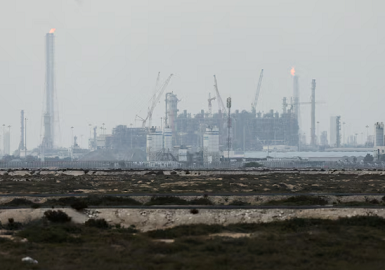
On September 27, the official of Pinghu City issued a pre-approval announcement on the planning section 7 of the integration project of Zhejiang Satellite Energy Co., Ltd. with an annual output of 40,000 tons of hydrogen / 900,000 tons of propylene / 800,000 tons of polycarbon alcohol / 80,000 tons of neopentarglycol chemical new materials and hydrogen energy utilization.
The project aims to build core production links such as PDH, polycarbon alcohol and neopentanediol, and support process equipment such as air separation, syngas unit and syngas purification, as well as comprehensive facilities such as storage and transportation, public, auxiliary, service and off-site engineering. After the completion of the project, it will have an annual production capacity of 40,000 tons of hydrogen, 900,000 tons of propylene, 800,000 tons of new materials for polycarbonated alcohol and hydrogen energy utilization.
Previously, Satellite Chemical has announced that its subsidiary Zhejiang Satellite Energy Co., LTD., in the new materials and new energy integration project (Satellite energy Phase III project), the annual output of 800,000 tons of polycarbon alcohol project phase I device has successfully produced qualified products, marking the successful trial production of this stage, and the second stage is about to be put into operation.
Zhejiang Satellite Energy Co., Ltd. has a total PDH capacity of 900,000 tons in two phases, all using UOP technology. If the Phase III integration project goes smoothly into operation, its annual PDH capacity will be expanded to 1.8 million tons.
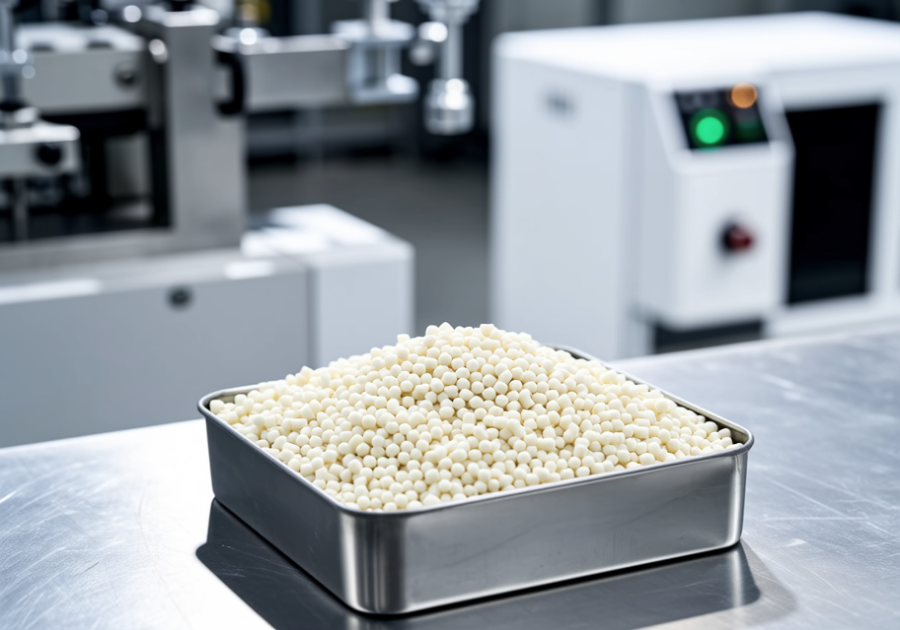
The neopentyl glycol announced this time is the downstream product of the 800,000 tons of polycarbon alcohol project. Neopentyl glycol (NPG), as a white crystalline solid, is mainly used in the production of unsaturated polyester and saturated polyester, etc., and is widely used in coating, insulation materials, printing ink and other industries. At present, the total domestic NPG production capacity has reached 680,000 tons, and the capacity growth rate is as high as 17.2%. In view of the continued growth in downstream demand, both Satellite Chemistry and BASF's Zhanjiang integration site plan to further expand production capacity. It is expected that by 2024, the domestic NPG production capacity will exceed 700,000 tons. At present, domestic and foreign industrial production of NPG adopts isobutyraldehyde route, that is, isobutyraldehyde and formaldehyde as raw materials, through catalytic condensation and reduction steps.

You May Interested In


High Quality β-Nicotinamide adenine dinucleotide CAS 53-84-9 NADwith ready stock and best price
$3E+1/UNIT FOB


2026-10-24
Trade Alert
Delivering the latest product trends and industry news straight to your inbox.
(We'll never share your email address with a third-party.)

Related News
-
The Last 10% Tariff Trap: A New Chapter in U.S.–China Negotiations on “Fentanyl Tariffs”
-
Vietnam Drives ASEAN Towards a Modern Economy
-
USDA Puts Fresh Money Into Local Food Markets
-
Redwall Raises Prices by as Much as 80%, Songwon Launches Global Increases, and Chemical Companies Are Collectively Passing On Costs
-
U.S. Strikes Three Iranian Tankers as “Tanker-for-Tanker” Escalation Raises Chemical Shipping Risk
-
"No available slots" returns as global shipping rates skyrocket amid multiple factors
-
Panama Canal Delays Deeper Draft Cut, but Transit Capacity Is Still Tightening
-
Middle East Conflict Pushes Up Oil Prices as More Than 100 Chemical Raw Materials Rise in Concentration
-
Crude Tanker Freight From the Americas to Asia Tops $80 Million per Voyage Amid Global Shipping Crunch
-
China, U.S. and Australia Escalate Antidumping Scrutiny: Chemical Exports Face Rising Compliance Pressure
Recommend Reading
-
![Middle East Crude Exports Rebound Sharply in September as Saudi Arabia Returns to Market at 5.4 Million bpd]()
Middle East Crude Exports Rebound Sharply in September as Saudi Arabia Returns to Market at 5.4 Million bpd
-
![US-Iran Conflict Escalates Again as Oil Tops $90 and Petrochemical Feedstock Risks Return]()
US-Iran Conflict Escalates Again as Oil Tops $90 and Petrochemical Feedstock Risks Return
-
![South Korea Retires 1.39 Million Tonnes of Ethylene Capacity as Northeast Asia’s Petrochemical Reset Turns Real]()
South Korea Retires 1.39 Million Tonnes of Ethylene Capacity as Northeast Asia’s Petrochemical Reset Turns Real
-
![Qatar LNG Hit by Attack: 17% Export Capacity Lost, $20 Billion Wiped Out]()
Qatar LNG Hit by Attack: 17% Export Capacity Lost, $20 Billion Wiped Out
-
![September 1: Chemical Price Hikes Take Effect Across the Board]()
September 1: Chemical Price Hikes Take Effect Across the Board
-
![China’s 15th Five-Year Plan Sets New Priorities for Pharmaceutical Innovation and Supply Chains]()
China’s 15th Five-Year Plan Sets New Priorities for Pharmaceutical Innovation and Supply Chains
-
![Bull and Bear Factors Intertwined, Polyethylene at High Levels with Fluctuations]()
Bull and Bear Factors Intertwined, Polyethylene at High Levels with Fluctuations
-
![International oil prices fall from high levels, polybutadiene rubber market weakens]()
International oil prices fall from high levels, polybutadiene rubber market weakens
-
![Premium Global Chemical Sourcing Requests (24-27Sep.,2026)]()
Premium Global Chemical Sourcing Requests (24-27Sep.,2026)
-
![Restocking Boosts Short-term Consumption, ABS Stabilizes and Rebounds in the First Half of July in China]()
Restocking Boosts Short-term Consumption, ABS Stabilizes and Rebounds in the First Half of July in China