Big pharma seizing new opportunities in China therapeutics market
As China becomes the most important market for multinational pharmaceutical companies and the government’s Healthy China 2030 policy shifts into high gear, the corporate rush is on to file more applications for use of new treatments.
The health-care system blueprint, approved by the State Council, China’s Cabinet, in 2019, lays out 15 primary goals in areas such as decreasing the health effects of second-hand smoking, reducing obesity, increasing public physical fitness, promoting healthy diets, preventing chronic diseases, and addressing the needs of an aging population. It also expedites the approval process for pharma innovations.
Entry in the China market has been slow in coming for many multinational pharma firms, largely because of factors such as slow regulatory approval, concerns about the protection of intellectual property, and difficulties in accessing domestic distribution systems.
As the market for foreign pharmaceuticals opened wider, China’s focus was shifting from manufacturing generic drugs to broader research and development. One of Shanghai’s ambitions going forward is to become a global biotechnology hub.
Some analysts estimate that China will become the world’s largest pharma market in 10 years.
Multinational pharma profits show that betting on the China market is no foolhardy strategy.
Siemens Healthineers, which is involved in diagnostics and medical equipment, reported China sales in the last quarter of 2020 jumped 25 percent from a year earlier to 1.9 billion euros (US$2.3 billion), about twice the German firm’s global revenue increase.
Elisabeth Staudinger, president of Siemens Healthineers Asia-Pacific, said the comprehensive, multi-tier health-care system laid out in the government's 14th Five-Year Plan (2021-25) signals huge growth potential in China.
Healthy China also proposes a comprehensive reform of county-level hospitals and medical clinics to make quality health care more assessable to all residents.
Healthineers’ latest investments in China include a 3-billion-yuan manufacturing site in Shanghai for making in vitro diagnostics facilities and reagents for blood testing which started construction in 2018, and an open innovation center in the Zhangjiang Science City in the Pudong New Area.
Staudinger said she expects China's fast forward into the digital age will enable health-care infrastructure growth in small cities.
Marie-France Tschudin, president of Swiss-based Novartis Pharmaceuticals, said seven of her company’s new products are expected to receive approval in China this year.
Last year, Novartis China sales grew 16 percent to US$2.6 billion, compared with a global increase of 3 percent. The company said it plans to double its China business, with 50 new drug applications by 2024.
Germany-based pharma giant Boehringer Ingelheim reported a 20 percent increase in China revenue last year, with growth strong across all sectors, most particularly in animal health and human therapeutics. China accounted for about 6 percent of the company’s global sales in 2020, which gained 5.6 percent.
More clinical trials will be undertaken in coming years, said Felix Gutsche, chairman and chief executive officer of Boehringer Ingelheim China. The company said it plans to file for approval of innovative drugs in new areas.
“We are very glad to see that China’s objectives and development strategies highlight the significance of comprehensively advancing the Healthy China initiative, further opening up, and optimizing the business environment," he added.
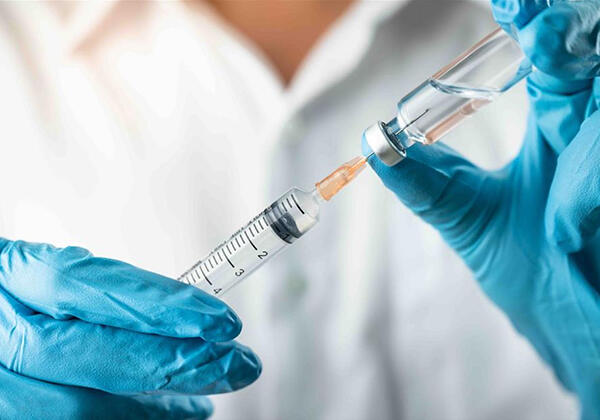
Collaboration with domestic pharma companies has helped multinational firms become deeply embedded in the Chinese market.
Boehringer Ingelheim’s venture fund affiliate was part of an investment consortium providing US$14 million to Shanghai-based Delonix Bioworks in March. Delonix is focused on developing synthetic biology vaccine platforms.
Huang Hanyang, an analyst at Industrial Securities, said China is driving drug prices down by volume purchasing, which helps multinational firms compete on a more equal footing with lower-priced domestic competitors.

You May Interested In


High Quality β-Nicotinamide adenine dinucleotide CAS 53-84-9 NADwith ready stock and best price
$3/UNIT FOB


2026-10-09
Trade Alert
Delivering the latest product trends and industry news straight to your inbox.
(We'll never share your email address with a third-party.)

Related News
-
Snack Tests Put Red 40, Titanium Dioxide and BHT Back Under Pressure
-
Middle East Polyolefins Hit by Catalyst Constraints: PE/PP Recovery May Be Slower
-
Guangxi Huayi Starts 300,000-Tonne VAM Unit: EVA Chain Keeps Expanding
-
Japan Extends Bisphenol A Anti-Dumping Probe, Prolonging Uncertainty for Korean and Taiwanese Suppliers
-
GM Crop Area Hits 216 Million Hectares: Trait-Driven Farming Expands
-
Saudi Aramco’s 400,000 bpd Jazan Refinery Shuts After Attack
-
Behind Arkema’s ¥430 Million Claim: A Patent War Over Acrylic Acid Is Tearing Off the “Technical Fig Leaf” of China’s Chemical Giants
-
Global Chemical Giants Light the Fuse: A TDI/MDI Price Storm Sweeps Asia and Europe—Who’s Fueling This “Cost Carnival”?
-
U.S.-Iran Détente Triggers Oil Price Plunge, Energy and Chemical Sectors Tumble
-
Lianolong Bets Big on Electronic Adhesives with $50M Strategic Stake in Sidofu
Recommend Reading
-
![SIBUR’s Massive Siberian Petrochemical Complex Shuts After Drone Attack, LPG Supply Disrupted]()
SIBUR’s Massive Siberian Petrochemical Complex Shuts After Drone Attack, LPG Supply Disrupted
-
![Libya’s Largest Refinery Faces Full Shutdown After Five Rounds of Airstrikes]()
Libya’s Largest Refinery Faces Full Shutdown After Five Rounds of Airstrikes
-
![Sichuan Unveils Revised List of 14 Qualified Chemical Parks in Major Industrial Realignment]()
Sichuan Unveils Revised List of 14 Qualified Chemical Parks in Major Industrial Realignment
-
![Agrochemical Markets at a Crossroads: Winter Stockpiling Begins Amid Cost Pressures and Fragmented Demand]()
Agrochemical Markets at a Crossroads: Winter Stockpiling Begins Amid Cost Pressures and Fragmented Demand
-
![Stahl Reopens Ranipet Plant]()
Stahl Reopens Ranipet Plant
-
![Lithium carbonate shows rollercoaster market trend, upward signal may appear]()
Lithium carbonate shows rollercoaster market trend, upward signal may appear
-
![This Week's Isopropyl Alcohol Market Prices Declined (11.10-11.14)]()
This Week's Isopropyl Alcohol Market Prices Declined (11.10-11.14)
-
![Price Increase Announcements Concentrated, Chinese Polymeric MDI Market Pushes for Rise]()
Price Increase Announcements Concentrated, Chinese Polymeric MDI Market Pushes for Rise
-
![Sodium Metabisulfite Prices Stable This Week in China (11.10-11.14)]()
Sodium Metabisulfite Prices Stable This Week in China (11.10-11.14)
-
![Costs Decline, February DOP Prices Experience Volatile Drop]()
Costs Decline, February DOP Prices Experience Volatile Drop