EU Approves Use of Larvae Flour in Food Products Opening Doors to Sustainable Nutrition
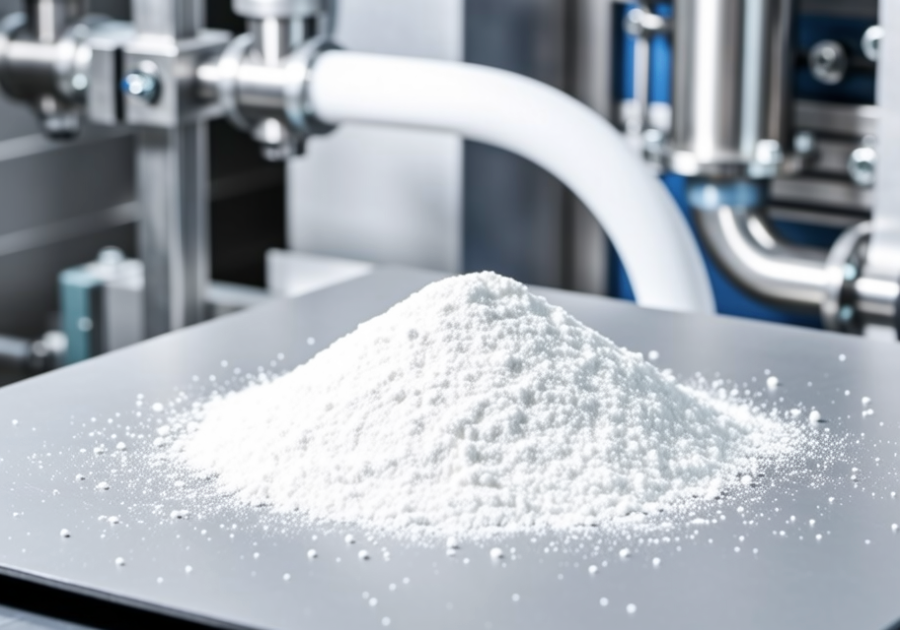
In a groundbreaking decision, the European Union has approved the use of larvae flour in various food products, marking a significant shift in dietary norms. This new regulation allows for the inclusion of flour made from the larvae of the Tenebrio molitor beetle, commonly known as mealworms, in items such as bread, pasta, and cheese.
While the idea of consuming insect-based ingredients may evoke discomfort for many, the larvae flour offers a sustainable source of protein and essential nutrients. The approval reflects a growing recognition of insects as a viable food source, particularly as the global population continues to rise and traditional protein resources become increasingly strained.
Manufacturers are now permitted to add this high-protein flour in modest quantities—up to 4 grams per 100 grams of bread or cakes, and specific limits for other products. Each use of larvae flour will require a license under the Novel Food regulation, ensuring thorough scientific assessment by the European Food Safety Authority (EFSA).
The nutritional benefits of larvae flour are substantial, containing 50% to 55% protein, along with vital minerals such as iron, zinc, and B vitamins. Additionally, insect farming is significantly less harmful to the environment compared to traditional livestock, requiring less water, feed, and space while producing fewer greenhouse gases.
Despite the initial apprehension regarding the consumption of insect-derived products, this regulatory change paves the way for wider acceptance of alternative protein sources in Europe. As awareness grows, consumers are encouraged to check ingredient labels, as all insect-based components must now be clearly identified on packaging.
This shift not only addresses nutritional needs but also underscores a commitment to sustainable food practices, potentially transforming the landscape of the European food industry.

You May Interested In


2026-09-19
Trade Alert
Delivering the latest product trends and industry news straight to your inbox.
(We'll never share your email address with a third-party.)

Related News
-
Ukraine Strikes Russia’s Perm Refinery Again, Forcing Crude Unit Offline at 260,000-BPD Facility
-
Global Chemical Giants Accelerate Plant Closures and Layoffs as Industry Enters Structural Capacity Rationalization
-
Lubrizol Announces Elimination of PFAS from Its Peptide Synthesis Process
-
European Diesel Crack Spread Hits Record $74.66 per Barrel as Global Refinery Outages Mount
-
Biologicals Move from Trial Plots to Real Distribution
-
Spain’s Data-Protection Confusion Hits Pesticide Competitiveness
-
Sekisui Specialty Chemicals Has Announced a Global Price Increase
-
Spain’s Data-Protection Confusion Hits Pesticide Competitiveness
-
Iran Closes Strait of Hormuz to All Vessels: Global Chemical Trade Gets Choked
-
New York Targets Additives and GRAS Disclosure
Recommend Reading
-
![Kraton Announces Strategic Plan to Streamline Polymer Operations in Berre, France]()
Kraton Announces Strategic Plan to Streamline Polymer Operations in Berre, France
-
![Coal Price Surge Coupled with El Niño Drives Urea Up by RMB 100/Ton in a Single Day]()
Coal Price Surge Coupled with El Niño Drives Urea Up by RMB 100/Ton in a Single Day
-
![UAE Breaks Ground on World’s First Gigascale Round-the-Clock Renewable Energy Project, Setting a New Global Standard For Clean Energy]()
UAE Breaks Ground on World’s First Gigascale Round-the-Clock Renewable Energy Project, Setting a New Global Standard For Clean Energy
-
![Sulfur Price Hits 7,633 CNY/Ton, Up Nearly Sixfold in a Year and a Half; Domestic Refining Giants Halt New Orders Due to Tight Supply]()
Sulfur Price Hits 7,633 CNY/Ton, Up Nearly Sixfold in a Year and a Half; Domestic Refining Giants Halt New Orders Due to Tight Supply
-
![Arkema's New Singapore Plant Commences Operations, Tripling Polyamide Capacity]()
Arkema's New Singapore Plant Commences Operations, Tripling Polyamide Capacity
-
![This Week's Activated Carbon Prices Rise (11.10-11.14)]()
This Week's Activated Carbon Prices Rise (11.10-11.14)
-
![Construction Starts Decline; Isooctanol Prices Fluctuate and Fall This Week]()
Construction Starts Decline; Isooctanol Prices Fluctuate and Fall This Week
-
![This Week's Titanium Dioxide Market in China Remains Stable (11.10-11.14)]()
This Week's Titanium Dioxide Market in China Remains Stable (11.10-11.14)
-
![Costs Decline as Phthalic Anhydride Prices Fluctuate and Fall This Week]()
Costs Decline as Phthalic Anhydride Prices Fluctuate and Fall This Week
-
![Ethanol Market Prices Show Slight Fluctuations]()
Ethanol Market Prices Show Slight Fluctuations