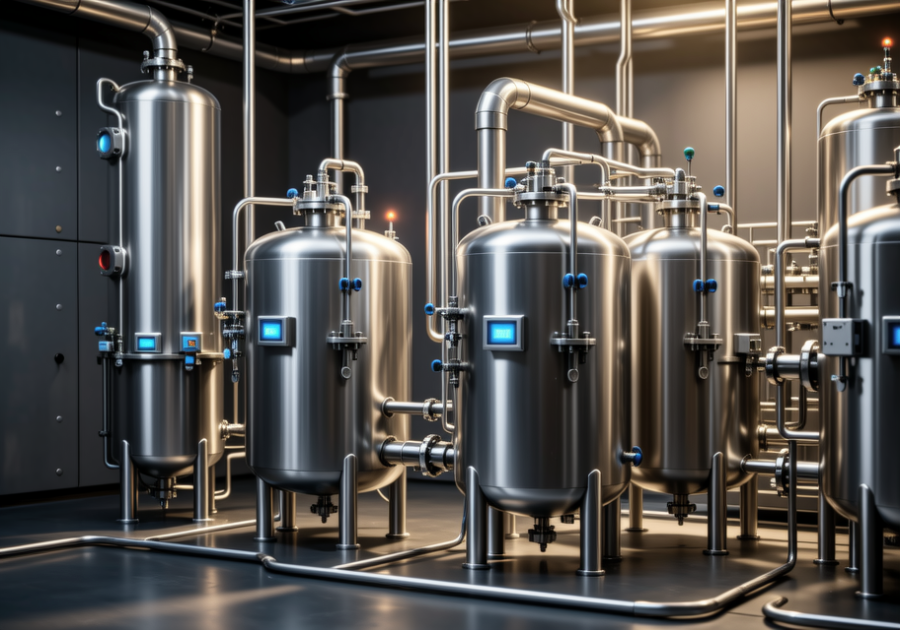

Liquid Energy Design, formerly known as Liquid Wind, and thyssenkrupp Decarbon Technologies announced a partnership on November 23 to advance the development of two large-scale e-methanol plants in northern Sweden. The facilities will be located in Umeå and Örnsköldsvik, each designed to produce approximately 100,000 tonnes of e-methanol annually, bringing their combined planned capacity to 200,000 tonnes per year.
Under the partnership, Liquid Energy Design will lead project development, while thyssenkrupp Uhde, the engineering and technology subsidiary of thyssenkrupp, is expected to provide engineering, procurement and construction (EPC) services for both plants, subject to final investment decisions (FID) and the fulfillment of relevant contractual conditions.
Two Plants to Produce 200,000 Tonnes of E-Methanol Annually
The projects will use renewable electricity and biogenic carbon dioxide as feedstocks to produce e-methanol. Both locations offer access to renewable power, biogenic CO₂ resources and established industrial and logistics infrastructure.
Local energy companies Umeå Energi and Övik Energi will serve as key project partners, providing sites, biogenic CO₂ and grid connections. Both cities are coastal logistics hubs, offering advantages for the transportation and distribution of renewable fuels.
The Umeå project, known as FlagshipTHREE, is targeted for a final investment decision by the end of 2027.
E-Methanol Targets Decarbonization in Aviation, Shipping and Road Transport
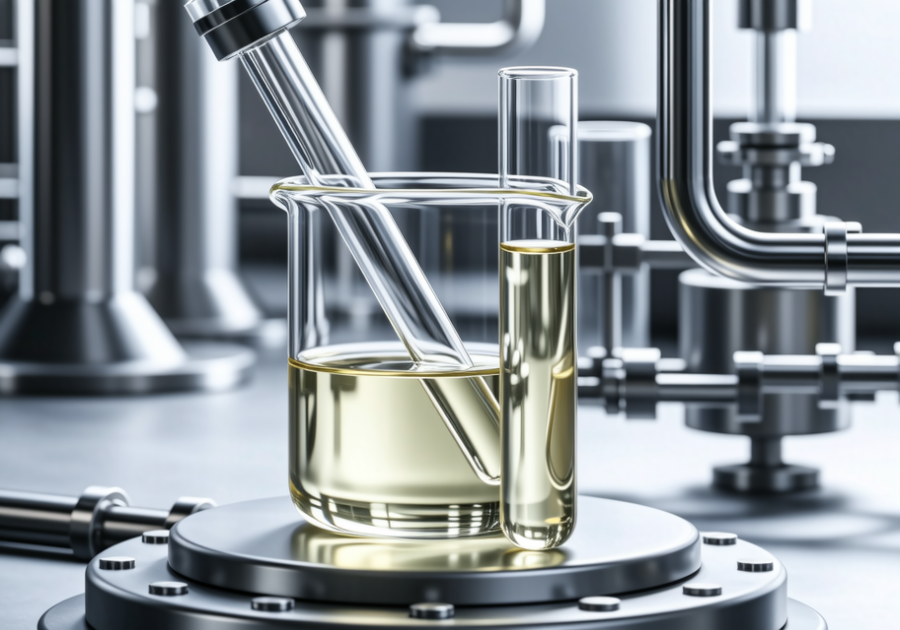
E-methanol is a synthetic fuel produced using renewable energy and carbon dioxide. It is generally manufactured by combining green hydrogen, produced through renewable-powered electrolysis, with captured CO₂.
The planned facilities will supply e-methanol for applications in aviation, shipping and road transport, providing a potential lower-carbon fuel option for sectors where direct electrification remains challenging.
As Europe advances its transport decarbonization targets, demand for sustainable fuels in aviation and shipping is attracting increasing attention. The development of these projects could also strengthen the integration of renewable energy and chemical synthesis technologies.
thyssenkrupp Uhde Expected to Provide EPC Services
The partnership further expands thyssenkrupp's involvement in the development of green synthetic fuels. Through thyssenkrupp Uhde, the company is expected to contribute engineering, procurement and construction expertise to both projects.
However, the proposed EPC services remain conditional on the projects reaching final investment decisions and meeting the relevant contractual milestones. The Umeå FlagshipTHREE project is targeting an FID by the end of 2027, while a specific investment decision timeline for the Örnsköldsvik facility has not yet been announced.
The partnership highlights the growing development of large-scale e-fuel projects in Europe. Future progress will depend on investment decisions, access to renewable electricity and the establishment of long-term offtake agreements, all of which will be important for bringing the two facilities into commercial operation.