




Jiangsu chemical industry renovation plan has been issued
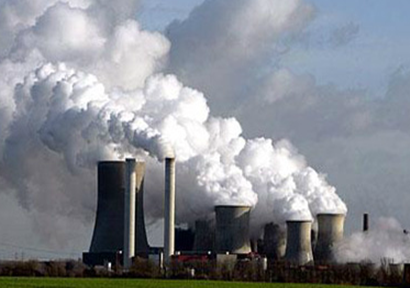
One month after the explosion accident of "321" in Xiangshui, Jiangsu Province, the renovation and upgrading scheme of chemical industry in Jiangsu Province was introduced. Recently, the General Office of Jiangsu Provincial Committee issued the "Jiangsu Province Chemical Industry Safety and Environmental Protection Improvement Plan" (hereinafter referred to as the "Plan"), proposing that the province should significantly reduce the number of chemical enterprises along the Yangtze River, cancel the positioning of some chemical industry parks, and reduce the number of chemical industry parks.
Jiangsu Province is a major province of China's chemical industry, especially pesticide, dyestuff and petrochemical production. Coatings online coatingol.com. As of 2017, the income of chemical industry in Jiangsu Province was more than 200 billion yuan, ranking second in the country. There were more than 5,000 chemical enterprises in Jiangsu Province in that year. In terms of reducing the number of chemical enterprises, chemical enterprises along the Yangtze River, in environmentally sensitive areas and below-scale chemical enterprises have become the focus of regulation. According to the data disclosed in the previous opinions, 34 chemical enterprises in Jiangsu Province, 71 in environmentally sensitive areas and 1660 below the scale, are located within 1 km of the main and tributary of the Yangtze River and outside the chemical park.
The Plan proposes that all chemical production enterprises on both sides of the Yangtze River mainstream and tributary within 1 km and outside the chemical park will withdraw or relocate before the end of 2020 in principle. It is strictly forbidden to build or expand chemical industrial parks and chemical projects within 1 km of the main and tributaries of the Yangtze River. Enterprises located in the first-class protection area of Taihu Lake, along the two sides of Tongyu River Clear Water Channel along the Beijing-Hangzhou Grand Canal (East Route of South-to-North Water Transfer) and in environmentally sensitive areas such as the Red Line of Ecological Protection, Nature Reserve and Drinking Water Source Protection Area will be closed or relocated by the end of 2020. In addition, the plan requires reducing the number of chemical production enterprises below the scale. For assessing safety and environmental risks, all enterprises that fail to meet the standards should be closed and withdrawn before the end of 2020, and enterprises that meet the standards should be encouraged to enter the chemical park for development. For enterprises whose safety and health protection distances do not meet the standards, such as safety and environmental hygiene, they should be closed and withdrawn by the end of 2020 according to law; enterprises that cannot be closed or relocated must relocate all the residents whose safety and health protection distances do not meet the standards by the end of 2020. On the other hand, the plan defines the requirements for the division of chemical industry parks and emphasizes the reduction of the number of chemical industry parks (concentration areas), without mentioning the "reduction of chemical industry parks to about 20" which appeared in the draft. There are 53 chemical industrial parks (chemical concentrated areas) in Jiangsu Province at present. In the list of top 30 chemical parks in China in 2018, seven of them in Jiangsu ranked first in the country, including 24 in southern Jiangsu, 12 in central Jiangsu and 17 in northern Jiangsu.
Proposed in the Plan that Jiangsu Province will comprehensively carry out the reappraisal of chemical industry parks (concentration areas), and determine chemical industry parks with large-scale production, complete industrial chain, complete infrastructure and high level of comprehensive management; and definite chemical industry parks with certain scale, forming a certain industrial agglomeration effect, higher industrial level, better management foundation but not clear industrial chain. The location of chemical industrial parks should be cancelled for small scale, low industrial correlation, imperfect infrastructure, prominent safety and environment problems and dense distribution of sensitive targets around them. The Park (centralized area) where chemical industry has been cancelled, new chemical projects are strictly prohibited, and the number of existing enterprises is greatly reduced.
At the same time, the Program encourages enterprises meeting safety and environmental protection standards to move into areas with strong environmental carrying capacity; for a small number of chemical enterprises with standardized management, advanced technology, high product quality, safety and environmental protection risk controllable, the municipal governments of each district shall be listed as key monitoring points of chemical industry.
On the basis of the draft, the plan proposes to strengthen the information-based supervision ability and safety awareness of enterprise personnel. By the end of 2019, chemical production enterprises should build an information management system that integrates monitoring information of major hazards, detection and alarm information of flammable toxic gases, zoning information of enterprise safety risks, on-the-job information of producers and management information of enterprise production process.
In addition, legal representatives of enterprises and the first major shareholders, technical directors, safety directors, environmental protection directors and special operators are required to participate in the training and assessment of the professional competence of emergency management departments, ecological environment departments and their authorized agencies, and to take up posts with certificates and receive technical retraining at least 16 school hours each year. The retraining time of other practitioners shall not be less than 20 school hours per year. When adjusting their posts within the enterprise or re-entering their posts after leaving their posts for more than one year, targeted safety training shall be conducted again.
Compared with the draft opinions, the program emphasizes the strict disposal and management of hazardous wastes, including the need for chemical enterprises to accurately and comprehensively evaluate the types, quantities, attributes and generation, storage, utilization or disposal of solid wastes in the EIA report. At the same time, in the safety assessment report, the safety evaluation of the storage, utilization and disposal of solid waste is carried out, and the storage and utilization are designed, constructed or rebuilt according to the standards and specifications.

You May Interested In


High Quality β-Nicotinamide adenine dinucleotide CAS 53-84-9 NADwith ready stock and best price
$3/UNIT FOB


2026-10-15
Trade Alert
Delivering the latest product trends and industry news straight to your inbox.
(We'll never share your email address with a third-party.)

Related News
-
Explosion at a Chemical Plant in Guixi City, Jiangxi Province
-
Burst! There's been an explosion at the chemical giant's plant, and flames are going up!
-
Explosion at chemical plant in Ohio, USA, local people asked to evacuate urgently
-
Asahi Kasei, A Large Photoresist Manufacturer in Japan, Had A Big Explosion!
-
A sudden explosion at Bayer's plant in Germany? A lot of smoke came out of the scene!
-
The largest container port in the Middle East exploded!
-
An explosion occurred in a grease factory in Sheyang, Yancheng, Jiangsu
-
Lebanese official confirmed: 2,700 tons of ammonium nitrate exploded
-
Two people injured in an Italian chemical plant explosion
-
Hebei: Investigate and deal with the selling points of low-quality bulk coal
Recommend Reading
-
![Tinci Materials Calls Off 2.65 Billion Yuan Project as Electrolyte Giant Shifts Strategy]()
Tinci Materials Calls Off 2.65 Billion Yuan Project as Electrolyte Giant Shifts Strategy
-
![Eastern Shenghong Projects First-Half Profit of 5 Billion Yuan – A Collective Turnaround for the Four Major Private Refiners? Is the Chemical Sector Rebounding?]()
Eastern Shenghong Projects First-Half Profit of 5 Billion Yuan – A Collective Turnaround for the Four Major Private Refiners? Is the Chemical Sector Rebounding?
-
![LG Chem Teams Up with Jianghua Microelectronics to Advance Semiconductor Ultra-High-Purity IPA]()
LG Chem Teams Up with Jianghua Microelectronics to Advance Semiconductor Ultra-High-Purity IPA
-
![“Milk Sugar 2.0” Cleared for Takeoff: EU Greenlights Next-Gen Human-Identical Oligosaccharide for Infant Nutrition]()
“Milk Sugar 2.0” Cleared for Takeoff: EU Greenlights Next-Gen Human-Identical Oligosaccharide for Infant Nutrition
-
![Ammonia Leaks in Iraq and Jordan Put Fertilizer Production and Port Safety on Alert]()
Ammonia Leaks in Iraq and Jordan Put Fertilizer Production and Port Safety on Alert
-
![Lack of Effective Support, Weak Operation of Cyclohexanone in Shandong]()
Lack of Effective Support, Weak Operation of Cyclohexanone in Shandong
-
![Post-holiday China 180CST fuel oil prices slightly increase]()
Post-holiday China 180CST fuel oil prices slightly increase
-
![Sulfate Ammonium Market Continues to Rise (10.9-10.16)]()
Sulfate Ammonium Market Continues to Rise (10.9-10.16)
-
![Post-Holiday Petrocoke Market Prices Rise]()
Post-Holiday Petrocoke Market Prices Rise
-
![February Hydrogen Peroxide Market Trends Weaken and Decline]()
February Hydrogen Peroxide Market Trends Weaken and Decline







- Hot Searches
- where can you buy iodine crystals
- emulsifiers for cosmetics
- ethyl acetate msds
- polyethylene terephthalate prices
- sr 17018 buy online usa cheap
- 1 4 diisopropylbenzene market
- tergitol 91-6
- ammonium nitrate fertilizer price
- glycerin pricing
- retatrutide supplier china
- ethylbenzene price
- best online peptide store