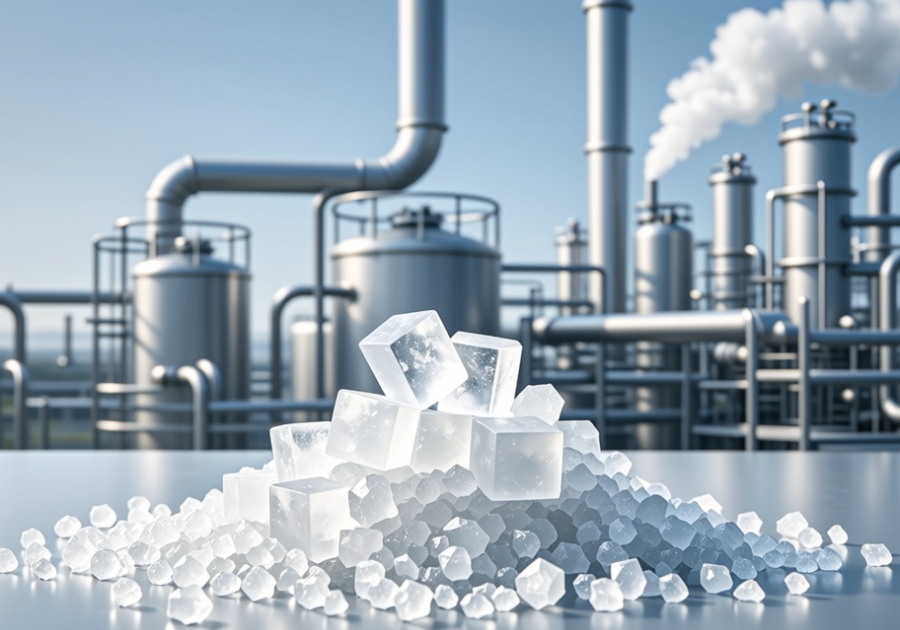
Get to know about how to make sodium acetate
How to make sodium acetate is a discussion about creating the chemical sodium acetate. Sodium acetate is used as a food additive and is also known by its chemical name sulfuric acid. It is also used in manufacturing.
Sodium acetate is a relatively stable compound and has a substantial shelf-life when stored in sealed containers. It can be mixed with water slowly to create acetic acid, which would have been ideal for vinegar production, but this method does not produce enough yield for industrial scale use of acetic acid despite the low activation energy for hydrolysis of sodium acetate to acetic acid (638 kJ/mol).
How to make sodium acetate
Sodium acetate is prepared by passing acetic acid through a solution of sodium hydroxide. Sodium hydroxide (NaOH) is a compound made by reacting sodium metal with water. The reaction between the two produces aqueous (water-based) sodium hydroxide, NaOH.
The process:
1) Boil 100 g of acetic and dissolve it in with water to produce 1L of solution containing 10% acetic acid. 20g of sodium metal will be added to this solution to act as the reagent for the reaction that will produce about 25g of various compounds, which include NaOH, Na2CO3 and Na2SO4.
2) Add the NaOH and sodium metal to the solution, which will cause the acetic acid to react with sodium hydroxide. The reaction produces sodium acetate, Na2C2H3O2
3) The solution is then evaporated. This will produce 49g of sodium acetate (NaC2H3O2). To make acetic acid, a further 70g of NaOH must be added, to make up the balance of the amount required. This can be done by adding 100g of NaOH or 25g of Na2CO3 (sodium carbonate).
Produced sodium acetate will be whitish in color. The product is left to settle out of the water, which is then evaporated.
The other chemicals created by the reaction are a bit more complicated than the acetate made by adding water to acetic acid, but this method gives more yield than the normal method of production.
What's interesting about this process on how to make sodium acetate: Any leftover sodium metal can be reused and will not corrode or cause a toxic reaction in any organisms it comes into contact with. Also, if a 10% solution of acetic acid is mixed with sodium hydroxide, it produces large amounts of sulfuric acid that can be used for industrial purposes (such as manufacturing glass).
Uses of sodium acetate
1. It is used to make acetic acid by mixing it with water
This allows for the commercial production of vinegar.
2. It is used in chemical manufacturing as a buffering agent
3. It can be used to remove stains from clothes and other fabrics, but it may cause discoloration over time if left on too long or in high concentrations. When cleaned off, the color may also remain slightly changed. It is recommended that you first use a detergent to clean the area before using sodium acetate for stain removal.
4. When consumed, it can probably cause stomach pains, diarrhea and vomiting when taken in high doses or on an empty stomach.
5. It is primarily used to make acetate fibers, which are used to make some plastics and textiles.
Cautions to take when making sodium acetate
Making sodium acetate can be dangerous, but the dangers can be reduced by following proper procedures and wearing recommended protective equipment.
To start, one must have a basic knowledge of basic chemistry and know how to handle chemicals safely. One should also have adequate lab facilities, including the appropriate safety equipment. The equipment and chemicals needed are cheap and readily available from hardware stores or on the internet. Special care should be taken when using sodium metal or caustic soda (NaOH) as these acids cause painful burns if contacted with skin. Other precautions include:
1) When handling sodium metal or NaOH, use protective eyewear to avoid exposure to sodium metal dust in the air and do not breathe any fumes that may come off these compounds.
2) If using sodium acetate to make acetic acid, wear gloves and a chemical-resistant apron. When working with NaOH or NaC2H3O2 , protect all areas of the skin, eyes and mouth by wearing appropriate safety equipment. If a solution is splashed onto any of these areas, it should be washed immediately with plenty of clean water to remove any chemicals.
3) Mixing acetic acid (this method would most likely result in sodium acetate being contaminated) should be done in a fume hood so as not to inhale any vapors that may come off the chemicals. Personal protective equipment must also be worn when working on the reaction vessel itself.
Looking for chemical products? Let suppliers reach out to you!
You May Interested In


Glow70/KLOW80 99% China Peptides Warehouse Direct Delivery Lyophilized Powder in Stock
$169/UNIT FOB


2026-10-16
Trade Alert
Delivering the latest product trends and industry news straight to your inbox.
(We'll never share your email address with a third-party.)

Related News
-
Sodium Acetate Reaction With NaOH: What Happens When They Combine?
-
Ferric Chloride And Lead Acetate: How To Test For Sodium Acetate?
-
Hydrolyzed: Sodium Acetate And Water Put To New Use
-
How Many Hydrogen Atoms Are There In Sodium Acetate
-
How Do You Make Sodium Acetate Everything Explained
-
Sodium Acetate in Water: A Clear Explanation of the Process
-
Benzoylecgonine: Detection and Testing Methods
-
Why You Should Never Mix Bleach and Vinegar
-
What Color Should a Zinc-Copper Couple Be?
-
Understanding the Arsenate Symbol and Its Uses
Recommend Reading
-
![April Domestic Refinery Petroleum Coke Market Trended Downward]()
April Domestic Refinery Petroleum Coke Market Trended Downward
-
![Business Society October 14, 2026 BDO Trend Analysis: Volatile with a Bearish Bias]()
Business Society October 14, 2026 BDO Trend Analysis: Volatile with a Bearish Bias
-
![Petroleum Coke Market for Local Refineries Drops Sharply in Late April]()
Petroleum Coke Market for Local Refineries Drops Sharply in Late April
-
![Ammonium Sulfate Market Prices Show a Weak Decline (June 29 - July 3) in China]()
Ammonium Sulfate Market Prices Show a Weak Decline (June 29 - July 3) in China
-
![Cost Pushes Combined with Moving Average Golden Cross: Acrylic Acid Market Strongly Holds Prices and Rises]()
Cost Pushes Combined with Moving Average Golden Cross: Acrylic Acid Market Strongly Holds Prices and Rises