The EU prohibits the use of the word 'XX-free' in cosmetic and skincare brands
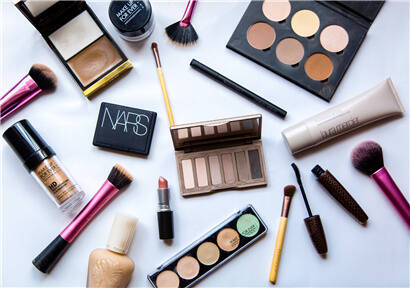
Since July 1, the EU will take stricter measures to regulate the use of "no XX ingredient" in cosmetics packaging and marketing advertisements. The words "without preservatives" and "without chemical additives" are gradually becoming an important reference standard for consumers to choose "clean cosmetics". But what is clean cosmetics? What ingredients are clean? Are pure natural ingredients safe? Are synthetic ingredients harmful? It seems unclear.
From July 1, the EU will take stricter regulatory measures on the use of "no XX ingredient" in cosmetics packaging and marketing advertisements. According to the new regulations, cosmetic brands should not abuse the words "without XX ingredients" to publicize (these ingredients include those banned by the EU or those rarely used in cosmetic products), nor should they alarm and mislead consumers into mistaking many traditional safe cosmetic ingredients for harmful substances. Most of the clean and cosmetic products in the market, while guaranteeing the efficacy of products, do not contain harmful substances such as benzoic acid esters (preservatives), para hydroxybenzoates, sulfates, silicones, ortho benzene two formates and synthetic flavors, which interfere with human hormones, cause cancer and stimulate the skin.
CTPA (Cosmetic, Toiletry and Perfumery Association cosmetics, perfume, perfume association) Regulatory Affairs Manager Francesca Rapolla introduced that the new regulations emphasize that the brand side needs to convey positive messages to consumers from the positive effects and components of products, avoiding the use of "toxic" and "harmful".
Preservative paraben category is the common victim of "lying gun" in this "excessive" propaganda. There are explicit provisions in EU regulations that prohibit the use of preservatives in cosmetic products. But this does not mean that all preservatives are harmful, such as methyl p-hydroxybenzoate and propyl p-hydroxybenzoate, which are common safety ingredients in cosmetic products.
And consumers'panic about the word "preservatives" comes from some brand advertisements, Internet comments and reports which lack certain scientific basis. "Preservatives" are ranked as the first harmful substance to human body by some clean brands as "dirty ingredients", "endocrine disruptors", "carcinogens", a series of long-term hazards deeply rooted in the hearts of the people. But in fact, experiments have shown that preservatives can affect the hormonal system of animals only in high doses; at present, there is no evidence that slight doses of preservatives in cosmetic products can harm the human body. In view of this, some insiders and scientists believe that the statement of "no preservatives" in cosmetic advertisements is unscientific. According to EU law, cosmetic products are only allowed to use antiseptics recognized as safe by EU. Misuse of the "preservative-free" phrase in advertisements can mislead consumers into thinking that all preservatives are dangerous.
In fact, the concept of "clean cosmetics" focuses on the safety of product ingredients, which include both natural and artificial ingredients. It should be noted that not all "natural" ingredients are necessarily safe (such as "lead"), nor all "artificial" ingredients are harmful (such as some preservatives). In order to support the work of the new EU regulation, Mia Davis, head of product safety and sustainability of Credo, a well-known cleaner cosmetics retailer, introduced that the words "no preservatives" had been removed from some brand packages it sold.
As a hot beauty phrase in recent years has been growing rapidly in skin care, cosmetics and perfume industries. Last year, Sephora (Sephora), a French cosmetics retailer chain, launched Clean at Sephora, a cleaner cosmetics department. Credo and Follain, a multi-brand retailer specializing in cleaner cosmetics, appeared in the industry. Tatcha, a Japanese skin care brand founded by Chinese women, and Ilia Beauty, a Vancouver cosmetics brand invested by Chinese fashion tycoon Cao Qifeng, are both representative brands of clean cosmetics.

You May Interested In


High Quality β-Nicotinamide adenine dinucleotide CAS 53-84-9 NADwith ready stock and best price
$3/UNIT FOB


2026-10-05
Trade Alert
Delivering the latest product trends and industry news straight to your inbox.
(We'll never share your email address with a third-party.)

Related News
-
COSMOPROF WORLDWIDE BOLOGNA PRESENTS “THE INVISIBLE BEAUTY”, THE PROJECT REVEALING WHAT MAKES BEAUTY POSSIBLE
-
Skin longevity, biotech, fragrance and sensory beauty take centre stage as in-cosmetics Asia returns to Bangkok
-
Skin longevity, biotech, fragrance and sensory beauty take centre stage as in-cosmetics Asia returns to Bangkok
-
COSMOPROF WORLDWIDE BOLOGNA ANNOUNCES 2027 DATES AND UNVEILS A NEW LAYOUT FOR ITS 60TH ANNIVERSARY EDITION
-
in-cosmetics Global launches the first Nutricosmetics Ingredient Index
-
in-cosmetics Global reveals line-up for 2026 programme curated for innovation
-
IN-COSMETICS GLOBAL TO LAUNCH FIRST DEDICATED INNER BEAUTY ZONE FOR NUTRICOSMETIC INNOVATIONS IN 2026
-
COSMOPROF WORLDWIDE BOLOGNA 2026: A GLOBAL BEAUTY ECOSYSTEM IN CONTINUOUS EVOLUTION
-
French Cosmetics Exports Poised for First Drop in Over Two Decades in 2025
-
Cocamidopropyl Betaine: Uses, Benefits, and Safety
Recommend Reading
-
![India Imposes Anti-Dumping Duties on Rubber Chemicals from China, EU and U.S.]()
India Imposes Anti-Dumping Duties on Rubber Chemicals from China, EU and U.S.
-
![Urea Market Lacks Direction as China, Iran Supply and India Tender Shape Outlook]()
Urea Market Lacks Direction as China, Iran Supply and India Tender Shape Outlook
-
![Venezuela’s Moron Petrochemical Complex Restarts as Regional Supply Risks Remain]()
Venezuela’s Moron Petrochemical Complex Restarts as Regional Supply Risks Remain
-
![Saudi Aramco’s 400,000 bpd Jazan Refinery Shuts After Attack]()
Saudi Aramco’s 400,000 bpd Jazan Refinery Shuts After Attack
-
![Japan Extends Bisphenol A Anti-Dumping Probe, Prolonging Uncertainty for Korean and Taiwanese Suppliers]()
Japan Extends Bisphenol A Anti-Dumping Probe, Prolonging Uncertainty for Korean and Taiwanese Suppliers
-
![Surge by 4,000 CNY/ton! Is the melamine market in China showing signs of peaking?]()
Surge by 4,000 CNY/ton! Is the melamine market in China showing signs of peaking?
-
![Positive Factors Drive March Butanol Price Increase by Over 40%]()
Positive Factors Drive March Butanol Price Increase by Over 40%
-
![Bullish Factors Remain, April Adipic Acid Prices in China Expected to Rise]()
Bullish Factors Remain, April Adipic Acid Prices in China Expected to Rise
-
![Premium Global Chemical Sourcing Requests (30 Mar-1Apr, 2026)]()
Premium Global Chemical Sourcing Requests (30 Mar-1Apr, 2026)
-
![Cost Values Collapse Significant PP Price Decrease in China in June]()
Cost Values Collapse Significant PP Price Decrease in China in June