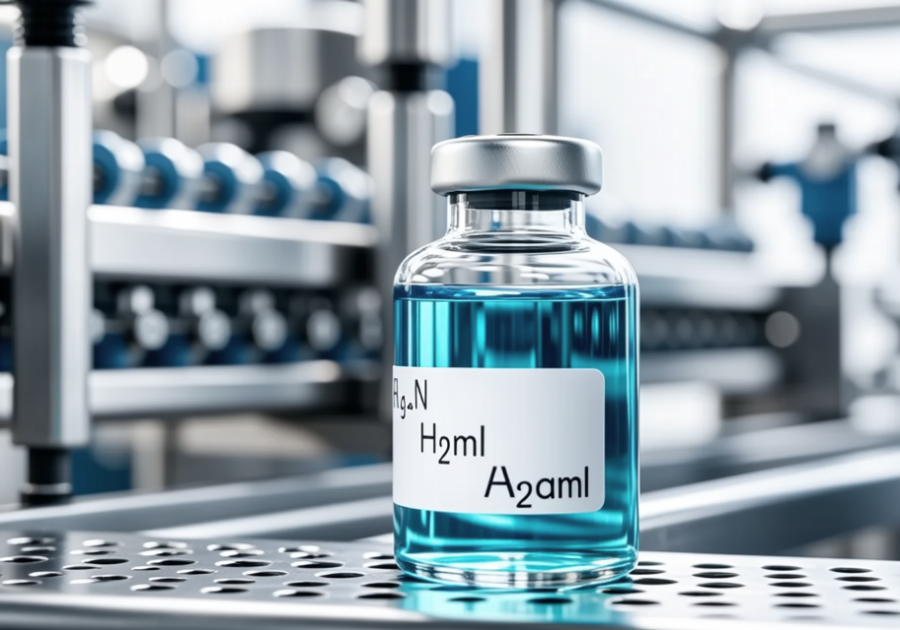
What is the Color of silver nitrate in water
Color of silver nitrate in water is affected by light conditions. In a well lighted place it will have a greenish tint and when in low light areas, they turn brown. This is because the color of silver nitrate is made up of magnesium, oxygen and iron atoms. The atoms are arranged in a hexagonal pattern around a central sphere, which is referred to as the center of mass.
Atoms that do not share this hexagonal pattern are called anions and those that do share this pattern are called cations. Silver gets its name because in compounds like silver nitrate the atom with one fewer electrons than it has protons (a silver ion) will be attracted to the compound via electrostatic forces while at the same time repel other non-silver ions due to their higher positive charges. This show that the color of silver nitrate in water is filly affected by light.
Uses of silver nitrate
1. It is used to make detergent.
Silver nitrate is used in detergent. It is used in the manufacture of liquid detergents to make it easier for the detergent to penetrate clothing fibers.
2. It is used to make photographic film.
Silver nitrate is used in photographic film making. Silver nitrate is one of the three chemicals that are normally found in photographic film (the other two being silver halide and gelatin binder). The silver halide that is present will react with light, developing a photo-reactive layer which will hold a latent image which can be seen when processed correctly (that means chemically treated).
3. It is used in agriculture
Silver nitrate is a component in plant and animal fertilizers. It can be used to feed plants by increasing the amount of nitrogen (a component of nitrogen) in the soil. Silver nitrate is also naturally present in several fodder crops that are important to the livestock industry (such as teff and pearl millet). It can be sprayed onto the plants as fertilizer or it can be incorporated into animal feeds.
4. It is also used in candles, fireworks and an assortment of products.
In the ancient times, silver was known as the "metal of kings" because of its high value in various cultures. Silver has been used on a daily basis for at least 5,000 years and probably much longer than that. In addition to its use as currency, silver has been considered sacred due to its color for sacred objects such as Surya Namak (Nigeria), Durga idols (Maharashtra), kalash (Sri Lanka). Silver has great aesthetic value and is widely used in jewelry and ornamental objects from all over the world. It has been a major component in the manufacture of mirrors, ornaments, coins, tableware and flatware. Silver also has many industrial uses including electrical and electronic components as well as ceramics.
5. It is used in medicine
Silver nitrate is used in medicine as an antiseptic, to disinfect surgical instruments before their use and other medical products such as dressings. It can also be applied topically to skin problems such as hemorrhoids, boils and wounds.
6. It is used as a fungicide
Silver nitrate is used as a fungicide. It kills the fungi on plants and affects their growth. Silver nitrate is widely used to treat some fungal diseases of plants "" for example various rusts on cereals, fruits, vegetables and ornamentals. As a result of its use against both fungal growths and bacteria, silver nitrate is also applied to the surface of foodstuffs such as meat, milk products, fruit and vegetables to protect them against bacterial contamination. Silver nitrate can also be used against the growth of yeasts in bread making and in winemaking.
7. It is used as a catalyst
Silver nitrate is used as a catalyst in the manufacture of products that contain sulfur. It can be used for the polymerization and vulcanization reactions of oxidized poly(vinyl acetate) and also makes an effective catalyst for the oxidation reactions of aromatic hydrocarbons. Silver nitrate also acts as a selective catalyst to hydrogen peroxide. It converts one compound into another, but if other substances are present, they remain un-reacted.
8. It is used in laboratory experiments
Silver nitrate is used in laboratory experiments. Silver nitrate solution can be used as a reagent to test for various substances, for example, it can be used to test for the presence of starch or sugars in a sample. It can also be added to solutions of gold salts to precipitate any free ammonia that may be present as nitric acid (but not the ammonia that is bound within the salt).
In conclusions the color of silver nitrate in water is affected by light conditions. In a well lighted place it will have a greenish tint and when in low light areas, they turn brown. This is because the color of silver nitrate is made up of magnesium, oxygen and iron atoms.
Looking for chemical products? Let suppliers reach out to you!
How Is Citric Acid Function In Cosmetics
You May Interested In


Glow70/KLOW80 99% China Peptides Warehouse Direct Delivery Lyophilized Powder in Stock
$169/UNIT FOB


2026-10-26
Trade Alert
Delivering the latest product trends and industry news straight to your inbox.
(We'll never share your email address with a third-party.)

Related News
-
Silver nitrate is not approved in the EU for use in bactericidal products of product type 7
-
All Useful Information About Silver Nitrate
-
Most Interesting Facts About Silver Nitrate.
-
What Are The Silver Nitrate Uses In Everyday Life?
-
Is Silver Nitrate Flammable
-
Silver Nitrate: Medical Uses, Photography History, and Staining Properties
-
Phosphoric Acid: Uses in Cola, Rust Removal, and Fertilizers Explained
-
Applications of Caesium Iodide
-
Chemical Properties and Uses of Tetraetil
-
Fipronil: Uses, Safety, and Environmental Impact
Recommend Reading
-
![Dicalcium Phosphate: Properties, Uses, and Applications]()
Dicalcium Phosphate: Properties, Uses, and Applications
-
![Flavin Adenine Dinucleotide (FAD): Functions and Applications]()
Flavin Adenine Dinucleotide (FAD): Functions and Applications
-
![Magnesium Chloride (MgCl₂): Properties, Uses, and Applications]()
Magnesium Chloride (MgCl₂): Properties, Uses, and Applications
-
![Uses of Sodium Citrate Dihydrate in Food Industry]()
Uses of Sodium Citrate Dihydrate in Food Industry
-
![Chemical Properties and Uses of Caesium Fluoride]()
Chemical Properties and Uses of Caesium Fluoride
-
![Premium Global Chemical Sourcing Requests (29 Nov - 3 Dec 2025)]()
Premium Global Chemical Sourcing Requests (29 Nov - 3 Dec 2025)
-
![Geopolitical Risks Recede, Dealing a Heavy Blow to the Oil Market; Short-Term Easing Does Not Alter Supply Constraints]()
Geopolitical Risks Recede, Dealing a Heavy Blow to the Oil Market; Short-Term Easing Does Not Alter Supply Constraints
-
![Ethyl Acetate Prices Slightly Rise Within a Narrow Range]()
Ethyl Acetate Prices Slightly Rise Within a Narrow Range
-
![Acetic acid market trends are weak and consolidating]()
Acetic acid market trends are weak and consolidating
-
![July Hydrogen Peroxide Market Prices Oscillate and Decline]()
July Hydrogen Peroxide Market Prices Oscillate and Decline