Most Interesting Facts About Silver Nitrate.
There are many interesting facts about silver nitrate. Silver nitrate can be found in many things around your house. It's a disinfectant, preservative, and light-sensitive agent. It is also used to take photographs and make blueprints. Silver nitrate has been used in medicine for centuries, but it is not an essential mineral. Here are some facts that you may not be knowing about silver nitrate:
Silver nitrate is a disinfectant.
One of the most common interesting facts about silver nitrate is disinfecting wounds. Silver nitrate has been used as a cleaner since the 18th century because it is a natural antibacterial agent. It was in use before the advent of antibiotics and was used to treat burns, ulcers, and abrasions.
Silver nitrate is a preservative.Silver nitrate is an ingredient in many foods and drinks around the world. It can be found in milk, cheese, beer, wine, and even soft drinks. This is because silver nitrate has a preservative effect. It's also used to keep food preserved for long periods. Silver nitrate can be found in many things around your house, such as iced tea, mayonnaise, pickles, some vitamins, and more.
Silver nitrate reacts to light.The reaction of silver nitrate with light is another most interesting fact. Silver nitrate reacts to light to be used in photography and for blueprints. The more light it is exposed to, the more quickly it will turn black. Silver nitrate will also react with water to form silver chloride and nitric acid solution. In the 1880s, the first photograph of a living thing was taken with silver nitrate a photo of a cucumber plant by Robert Friese Greene.
Silver nitrate is used in medicine.Silver nitrate has been used in medicine for centuries. It is not an essential mineral, but it does have several uses as a disinfectant and preservative. Silver nitrate also is used to reduce inflammation, as a topical treatment for hemorrhoids, or to help heal skin irritations and burns.
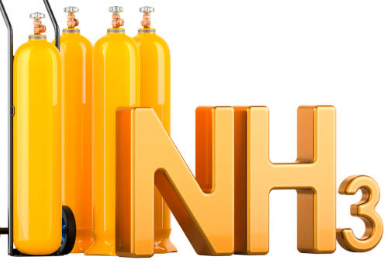
Silver nitrate is not an essential mineral.Another interesting facts about silver nitrate is that it is not an essential mineral, which means you don't need to consume it to live. It's been used in medicine for centuries because of its ability to kill bacteria. Silver nitrate has a chemical formula of AgNO3, but the silver ion is responsible for most of its disinfectant properties. The compound silver nitrate comprises one part silver and three parts nitrogen. The nitrogen comes from ammonia gas and nitric acid.
Silver nitrate is toxic if it touches the skin but can be diluted with water. Silver nitrate is toxic if it touches the skin but can be diluted with water. Silver nitrate is a chemical that should not be touched because it burns to the skin and is a strong irritant. This also means that silver nitrate shouldn't be exposed to animals or children because they may accidentally touch it or put their hands in their mouths. However, diluting silver nitrate with water becomes harmless and can even be used as a disinfectant or preservative.
Silver nitrate can cause death from cardiac arrest and suffocation in large quantities. Silver nitrate is commonly used in many products around the home. The substance can be found in many things like disinfectants and light-sensitive agents. It's also used to make blueprints and photographs. However, it can be toxic if you ingest or inhale too much of it. Silver nitrate can cause death from cardiac arrest or suffocation in large quantities. Some symptoms of ingestion are vomiting, shortness of breath, fever, and convulsions. If you happen to swallow a small amount of silver nitrate that has been mixed with water, you should call poison control immediately.
Conclusion
Silver nitrate is a chemical used in several common tasks, from photography to the medical field. It can be used to create a variety of effects when mixed with other compounds or alone. In art, this compound is an essential part of creating metal prints and gelatin silver prints. Silver nitrate is important for artists because it allows for a wide range of photographic effects and a variety of tonal effects with different types of paper. It is also crucial for creating metal prints and gelatin silver prints.
Looking for chemical products? Let suppliers reach out to you!
You May Interested In


Glow70/KLOW80 99% China Peptides Warehouse Direct Delivery Lyophilized Powder in Stock
$169/UNIT FOB


2026-10-24
Trade Alert
Delivering the latest product trends and industry news straight to your inbox.
(We'll never share your email address with a third-party.)

Related News
-
Silver nitrate is not approved in the EU for use in bactericidal products of product type 7
-
What is the Color of silver nitrate in water
-
All Useful Information About Silver Nitrate
-
What Are The Silver Nitrate Uses In Everyday Life?
-
Is Silver Nitrate Flammable
-
What is Element Stibium? (Antimony Facts & Uses)
-
What is Amylum Starch? (Old Terminology & Modern Equivalent)
-
Tert Butylate: Properties and Applications
-
Sulfuric Acid (H2SO4): Properties, Battery Uses, and Extreme Safety Hazards
-
What is Trametenolic Acid? (Structure, Sources & Research)
Recommend Reading
-
![Ammonia Chemical Formula: NH3 Structure & Properties]()
Ammonia Chemical Formula: NH3 Structure & Properties
-
![Benzyl Alcohol: Uses in Cosmetics, Preservative Efficacy, and Safety]()
Benzyl Alcohol: Uses in Cosmetics, Preservative Efficacy, and Safety
-
![Phosphoric Acid: Uses in Cola, Rust Removal, and Fertilizers Explained]()
Phosphoric Acid: Uses in Cola, Rust Removal, and Fertilizers Explained
-
![Silver Nitrate: Medical Uses, Photography History, and Staining Properties]()
Silver Nitrate: Medical Uses, Photography History, and Staining Properties
-
![France’s Vineyards Find a New Shield: Eden’s Mevalone Enters the Frontline of a Changing Fungicide Era]()
France’s Vineyards Find a New Shield: Eden’s Mevalone Enters the Frontline of a Changing Fungicide Era
-
![Premium Global Chemical Sourcing Requests (30 Mar-1Apr, 2026)]()
Premium Global Chemical Sourcing Requests (30 Mar-1Apr, 2026)
-
![Favorable Factors Boost Shandong Cyclohexanone Market Prices by Over 30% in March]()
Favorable Factors Boost Shandong Cyclohexanone Market Prices by Over 30% in March
-
![Cost Pulls Up March PC Market Performance]()
Cost Pulls Up March PC Market Performance
-
![Strong Cost Support Drives Robust Rise in Anhydrous Hydrogen Fluoride Market]()
Strong Cost Support Drives Robust Rise in Anhydrous Hydrogen Fluoride Market
-
![Supply Disruptions Repeatedly Resonate, Lithium Carbonate Experiences Sharp Fluctuations]()
Supply Disruptions Repeatedly Resonate, Lithium Carbonate Experiences Sharp Fluctuations