




Take an Overview of Glutin
What is Glutin
Glutin is a translucent, colorless, flavorless food ingredient, commonly derived from collagen taken from animal body parts. It is brittle when dry and rubbery when moist. It may also be referred to as hydrolyzed collagen, collagen hydrolysate, gelatine hydrolysate, hydrolyzed glutine, and collagen peptides after it has undergone hydrolysis.
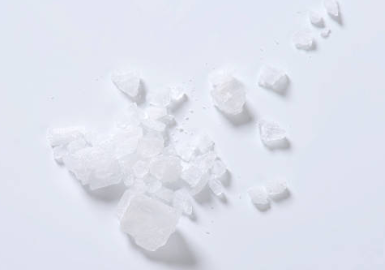
Glutin is white or light yellow, translucent, slightly shiny flakes or fine particles. Its main component is protein. It is a polymer peptide obtained by partial hydrolysis of collagen contained in animal skin, bone, cartilage, etc. polymer. Glutin gel is tough, flexible, and has good pressure-bearing properties. It dissolves in water at 30°C and condenses into a colloid after cooling.
Read more: https://www.echemi.com/cms/124957.html
Production of Gelatin
The muriatic acid, generally is cheap, as well as very strong and volatile, which is used in many applications, commercial, industrial and household, among these we have: Cleaning industries, being used in the manufacture of different types of cleaners, various solvents and a diversity of cleaning chemicals. In food industry procedures, such as gelatin factories, where it is used to dissolve minerals present in animal bones.
Read more:https://www.echemi.com/cms/478944.html
Common Glutin Usage
Gelatin candies are made of sugar or syrup or sweeteners, edible gums (or starch), etc. as the main raw materials, and are made into elastic and chewy candies, that is, soft candies. Although it is a very common snack, the application of this form to the functional food industry has become popular in recent years.
● Use in new capsules products
Plant soft capsules have irreplaceable advantages in terms of source of raw materials, stability, safety and health maintenance. Glutin is an animal protein component extracted from the connective tissues of pigs, cattle, and sheep, such as skin and bones. Glutin has been used in capsule products for more than one hundred years, and the technology has matured. Currently, most of soft capsule products on the market are made of glutin materials. The advocacy of plant and natural concepts has given birth to the research and development of plant soft capsule products. And innovation.
Recent Market News
● Ivory Coast Exported 105,082 Tons of Gelatin 2021
Cote d 'Ivoire's glutin exports rose 5.5% in the first 10 months of 2021. According to the latest data, Cote d 'Ivoire exported 105,082 tons of glutin in October, down 16.3% year-on-year and up 4.7% month-on-month. In the first 10 months, the country's glutin exports totaled 934,919 tonnes, up 5.5% from 886,635 tonnes in the same period in 2020.Cote d 'Ivoire is an important producer of natural rubber in Africa. Its glutin exports rose 5.5% in the first 10 months of 2021!
● Germany's Gelita, Launches Blog Dedicated to Collagen Proteins
Germany-based supplier of collagen proteins, Gelita, has announced the launch of what it described as the “first-ever blog” dedicated to collagen proteins. The new blog – #AmazingCollagen – is designed to “explore and expand perceptions and expertise related to all things about glutin and collagen peptides,” the company said. The family-owned company supplies collagen peptides with proven body-stimulating capabilities, tailor-made glutins and non- or partly- water soluble collagens.
● Food Thickeners Market to See Strong Application Scope from 2016 to 2024
Global gelatin market may generate over 413 kilo tons in 2015 owing to its excellent binding properties in pharmaceutical industry. Increase in convenience food demand in China and India should drive industry growth. Gelatin food thickeners market may witness steady growth over the forecast timeframe.
● Gummy candy: a blue ocean in the health food market
For a long time, plant-based Gelatin extracted from bovine and pig bones and skins is the main raw material for making soft candies, giving the soft candies a stable, gummy and elastic texture. However, the low melting point of gelatin (about 35°C) makes the product easy Melted during storage and transportation, resulting in deformation and agglomeration. At the same time, plant-based raw materials began to be favored by consumers. Plant colloids such as pectin, seaweed gum, gum arabic, guar gum, agar, etc., began to gradually replace the gelatin in jelly. These plant colloids often contain a large amount of dietary fiber, which is beneficial to digestion and has high thermal stability.
We hereby Recommend One Excellent Supplier
Hebei Chengda Gelatin Co., Ltd.was established in 2001 and invested 30 million yuan for expansion in 2006. It covers an area of more than 50 acres and was put into production in 2007. It produces 5 tons of edible gelatin per day and 5 tons of other grades of gelatin. In April 2008, it was the first company in Hebei Province to pass the gelatin export qualification certification: 1300DZ0201. With the support of foreign customers, the company actively explores the domestic and foreign markets. The company's image and products have a high reputation and popularity at home and abroad. The product quality has won the trust and praise of users.
Looking for chemical products? Let suppliers reach out to you!
You May Interested In


2026-09-28
Trade Alert
Delivering the latest product trends and industry news straight to your inbox.
(We'll never share your email address with a third-party.)

Related News
-
Potassium Nitrate Reactions & Uses (KNO3)
-
L-Alanine: Amino Acid Profile, Sports Nutrition, and Metabolic Role
-
Chemical Properties of Dibenzylideneacetone
-
Applications of Diphenyl Cyanide
-
Reactions and Uses of Ammonium Dichromate
-
Uses of Dithiothreitol in Laboratories
-
Chemical Reactions and Uses of Stilbene
-
Applications of Aluminium Orthophosphate
-
Calcium Hypochlorite: Properties, Uses, and Safety
-
Bivalirudin: Medical Uses, Properties, and Safety
Recommend Reading
-
![EDTA (Ethylenediaminetetraacetic acid): Chelation Therapy & Industrial Uses]()
EDTA (Ethylenediaminetetraacetic acid): Chelation Therapy & Industrial Uses
-
![Chemical Raw Materials: How to Source Quality Suppliers & Understand Grades]()
Chemical Raw Materials: How to Source Quality Suppliers & Understand Grades
-
![Polystyrene (PS): Properties, Foam Applications, and Recycling Challenges]()
Polystyrene (PS): Properties, Foam Applications, and Recycling Challenges
-
![Sodium Chloride (NaCl): Food Grade vs Industrial Grade Uses & Safety Data]()
Sodium Chloride (NaCl): Food Grade vs Industrial Grade Uses & Safety Data
-
![Magnesium Stearate in Supplements: Is it Safe? (Vegan Status & Function)]()
Magnesium Stearate in Supplements: Is it Safe? (Vegan Status & Function)
-
![Business Society’s Market Outlook for Epichlorohydrin on August 28, 2026: Price Trend Is Expected to Be Volatile]()
Business Society’s Market Outlook for Epichlorohydrin on August 28, 2026: Price Trend Is Expected to Be Volatile
-
![This Week, the Price of Polyester Bottle Chips First Increased and Then Decreased, Falling Within the Week]()
This Week, the Price of Polyester Bottle Chips First Increased and Then Decreased, Falling Within the Week
-
![Business Society’s August 31, 2026 Toluene Market Outlook: Volatile]()
Business Society’s August 31, 2026 Toluene Market Outlook: Volatile
-
![Zimbabwe’s Second-Quarter $1.59 Billion Investment Focuses on the Industrial and Mining Sectors]()
Zimbabwe’s Second-Quarter $1.59 Billion Investment Focuses on the Industrial and Mining Sectors
-
![Syngenta Bee Pesticide Protest Shows the Pressure Building Around Crop Protection Giants]()
Syngenta Bee Pesticide Protest Shows the Pressure Building Around Crop Protection Giants






- Hot Searches
- naphthapreis
- dapagliflozin 10 mg tablet
- methyl acrylate sds
- sodium sulfite sds
- glp-3 retatrutide buy online usa
- n-isopropylbenzylamine for sale
- commercial emulsifier
- sulphonated naphthalene formaldehyde price
- red phosphorus sale
- retatrutide peptide buy usa price
- meg pricing
- cosmetic chemical suppliers